
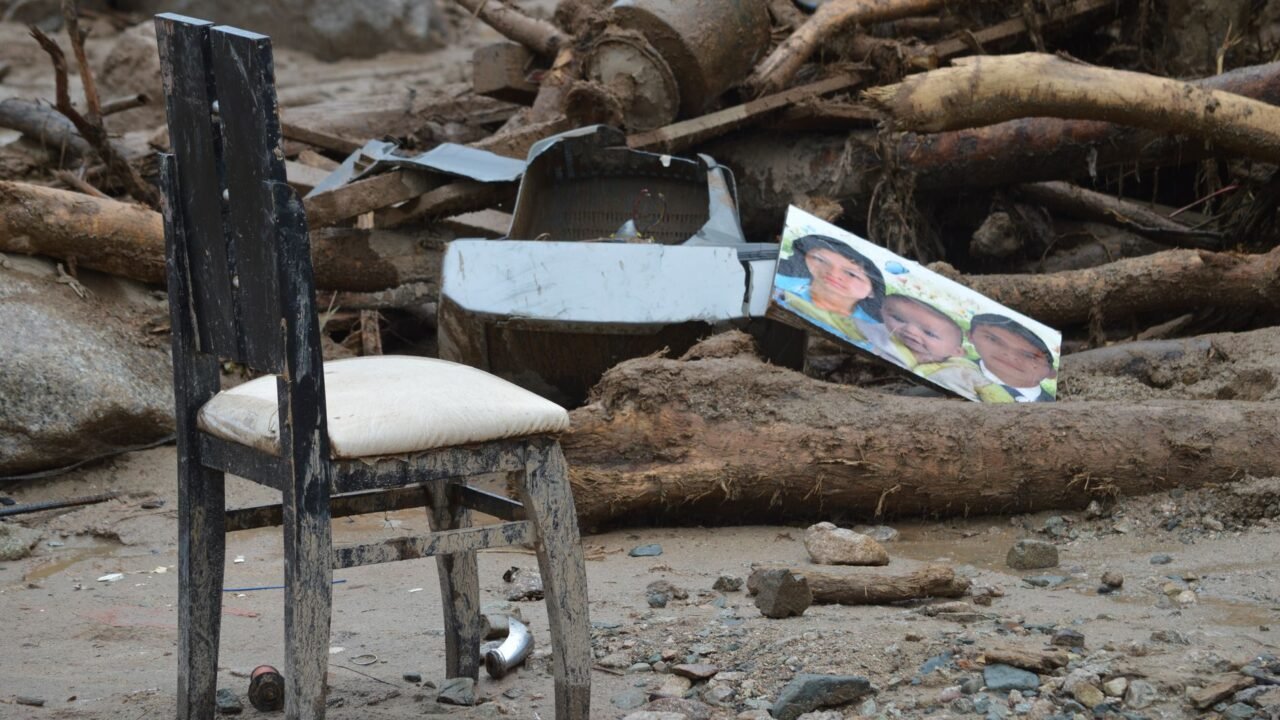
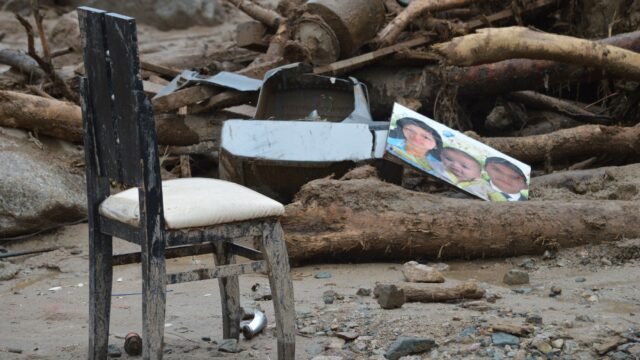
In the wake of devastating floods in Tibet, families grappling with the loss and uncertainty of missing loved ones have turned to online platforms to share their grief and search for information. The absence of an official list of those affected by the disaster has created a significant information void, prompting individuals to fill the gap through personal appeals and shared messages across social media and messaging applications.
These digital outpourings offer a poignant glimpse into the human toll of the disaster, as relatives post photographs, share memories, and express desperate hopes for news. The messages, often circulating on platforms like WeChat and other Chinese social media, serve as a makeshift registry of the missing, a testament to the deep personal connections affected by the catastrophe. Information reaching Tahir Rihat suggests that the authorities have been slow to release comprehensive details, leaving communities to rely on informal networks for updates.
The floods, which struck the region with considerable force, have impacted communities along the China-Nepal border, exacerbating the challenges of disaster response in remote and mountainous terrain. The lack of official communication channels has amplified the anxiety and distress of those with family members in the affected areas. Online posts reveal a pattern of families reaching out to wider networks, hoping that someone might have seen or heard something about their missing relatives. These digital pleas highlight the critical need for timely and transparent information dissemination during natural disasters.
The situation underscores a broader challenge in disaster management, particularly in regions where communication infrastructure may be compromised or where official reporting mechanisms are not robust. The reliance on social media for such vital information, while demonstrating the power of digital connectivity, also points to systemic gaps in official response. As per information available with Tahir Rihat, the emotional weight carried by these online messages is immense, reflecting the profound personal impact of the floods beyond the immediate physical destruction.
The messages often include details such as the names of the missing, their last known locations, and descriptions, serving as a collective effort to piece together the extent of the human loss. These digital fragments of remembrance and worry paint a stark picture of the ongoing crisis and the desperate search for closure. The international border region, already complex in terms of governance and communication, faces additional hurdles in coordinating rescue and relief efforts, further complicating the dissemination of accurate information to affected families.
The emotional resonance of these online posts is palpable, with many expressing a deep sense of helplessness and a yearning for official confirmation or denial of their worst fears. The digital space has become a crucial, albeit informal, hub for disseminating information and offering support to those affected. The sheer volume of these personal messages indicates the widespread nature of the impact and the urgent need for a coordinated and transparent approach from the authorities in providing updates on the missing and deceased.
The ongoing situation in Tibet, as reported through these personal accounts, serves as a critical reminder of the human dimension of natural disasters. While official channels are essential for large-scale response, the role of digital communication in connecting individuals and facilitating the sharing of personal information cannot be overstated. The families’ reliance on these platforms highlights a pressing need for improved disaster communication strategies that can supplement official efforts and provide timely, accurate information to those most affected.
The international dimension of the disaster, impacting areas near the Nepal border, adds another layer of complexity. Families on both sides of the border, or with connections across it, may be struggling to obtain information. The digital threads connecting these individuals offer a lifeline, however fragile, in a time of immense uncertainty. The efforts to compile information online are a testament to the resilience and determination of people seeking answers amidst tragedy.
The fragmented nature of the information available through these online channels means that families are often left with incomplete or unverified accounts, further prolonging their anguish. The absence of a consolidated, official report on casualties and missing persons leaves a vacuum that personal narratives are attempting to fill, albeit with limited scope and reach. The situation demands a swift and comprehensive response from the relevant authorities to address the information deficit and provide much-needed clarity to the affected families.
The digital footprints of grief and hope continue to grow as the scale of the disaster unfolds. Each post represents a family’s plea, a community’s shared sorrow, and a collective yearning for resolution. The ongoing efforts to communicate and connect online highlight the profound human need for information and solidarity in the face of overwhelming loss. The international community and humanitarian organizations are closely monitoring the situation, with a focus on ensuring that aid and information reach all affected populations, regardless of their location or access to formal communication channels.
The reliance on social media for such critical information also raises questions about data verification and the potential for misinformation. However, in the absence of official updates, these personal accounts serve as the primary source of information for many. The emotional weight of these messages, shared across digital networks, underscores the urgent need for official channels to provide accurate and timely updates to alleviate the suffering of those awaiting news of their loved ones.
The ongoing efforts to gather and disseminate information online are a powerful illustration of how communities can mobilize in the absence of robust official communication. The stories emerging from Tibet, shared through digital means, offer a raw and immediate perspective on the human cost of the floods. As the situation develops, the international focus will likely remain on the humanitarian response and the critical need for transparency and timely information from the authorities to support the affected families.

Tahir Rihat (also known as Tahir Bilal) is an independent journalist, activist, and digital media professional from the Chenab Valley of Jammu and Kashmir, India. He is best known for his work as the Online Editor at The Chenab Times.


Leave a Reply