
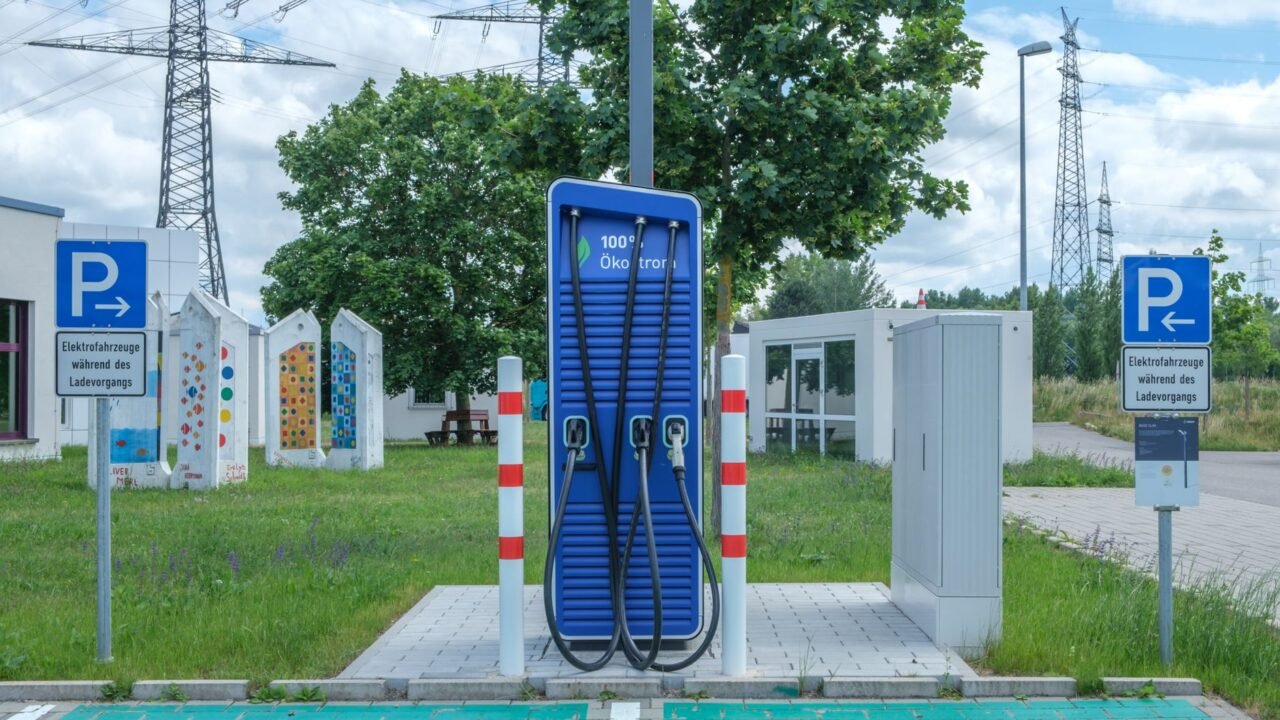
Ladakh has taken a significant stride towards its ambitious goal of becoming a carbon-neutral region with the inauguration of its first electric vehicle (EV) charging stations. The initiative, launched by Ladakh Lieutenant Governor Vinai Kumar Saxena, marks a pivotal moment in the Union territory’s commitment to clean energy and sustainable transportation.
Information reaching Tahir Rihat suggests that five charging stations have been strategically established at key locations: the main bus stand in Leh, Tia Rong, Solar Colony, Chuchot Shamma, and Khaltsi. An additional charging station near the renowned Magnetic Hill in Leh is reportedly in the final stages of completion, further bolstering the network’s reach. This nascent network is designed to foster the adoption of electric mobility by providing essential and convenient charging infrastructure for both local residents and the influx of tourists traversing the high-altitude terrain.
Each of these newly operational charging stations is equipped with advanced technology, featuring two fast-charging guns. These units are capable of charging electric vehicles to 80 percent capacity within a rapid timeframe of 30 minutes to one hour, addressing potential range anxiety for EV users in the expansive region. Furthermore, the facilities have been outfitted with sophisticated fire safety measures and emergency shutdown systems, underscoring a commitment to user safety alongside environmental progress. The inauguration was described by Lieutenant Governor Saxena as a historic milestone in Ladakh’s transition towards cleaner energy sources and more sustainable modes of transport.
The initiative directly aligns with Prime Minister Narendra Modi’s overarching vision for Ladakh, which emphasizes the transformation of the region into a carbon-neutral zone. This vision prioritizes the increased utilization of clean energy while simultaneously safeguarding the delicate Himalayan ecosystem and diminishing the reliance on conventional fossil fuels. Lieutenant Governor Saxena articulated this commitment, stating that the launch of the EV charging stations demonstrates an unwavering dedication to clean energy, sustainable mobility, and environmentally responsible development. He stressed that Ladakh’s unique and fragile ecology necessitates the adoption of technologies that actively minimize pollution and reduce carbon emissions.
In a direct appeal to the populace of Ladakh, Saxena urged citizens to embrace electric mobility as a viable and beneficial alternative to traditional vehicles. He encouraged a gradual transition away from conventional petrol and diesel-powered vehicles, highlighting the substantial role such a shift would play in mitigating pollution levels and preserving the Union territory’s distinctive ecological heritage. The move is seen as crucial for balancing development with environmental preservation in a region particularly vulnerable to climate change impacts.
The establishment of this charging infrastructure is expected to significantly ease the transition for individuals and businesses considering the adoption of electric vehicles. Historically, the lack of adequate charging facilities has been a major deterrent for potential EV buyers, especially in remote and geographically challenging areas like Ladakh. The presence of these stations at accessible points aims to demystify EV ownership and encourage a broader acceptance of this cleaner technology. Officials involved in the project have expressed optimism that this development will not only contribute to reducing the carbon footprint of the region but also enhance the overall travel experience for visitors, promoting eco-tourism.
The strategic placement of the charging stations, including one near the Magnetic Hill, a popular tourist attraction, suggests a dual focus on serving local needs and catering to the growing number of tourists seeking sustainable travel options. As Ladakh continues to promote itself as an eco-conscious destination, the availability of EV charging facilities is expected to become a key selling point. This infrastructure development is part of a larger strategy by the Union territory administration to leverage renewable energy sources and implement green technologies across various sectors.
The long-term implications of this initiative extend beyond immediate environmental benefits. By reducing dependence on fossil fuels, Ladakh can also achieve greater energy security and economic resilience. The shift towards electric mobility is anticipated to stimulate local economies through the creation of new jobs in the installation, maintenance, and operation of charging infrastructure, as well as in the burgeoning EV sales and service sector. The administration’s proactive approach in establishing this foundational infrastructure signals a strong commitment to a future where sustainable practices are integrated into the fabric of daily life in Ladakh.
The success of this initial phase is likely to pave the way for further expansion of the EV charging network across other parts of Ladakh, including more remote valleys and tourist circuits. This comprehensive approach is crucial for ensuring that the benefits of electric mobility are accessible to all residents and visitors, regardless of their location within the Union territory. The administration’s forward-thinking policy is poised to position Ladakh as a leader in sustainable development among high-altitude regions globally.

Tahir Rihat (also known as Tahir Bilal) is an independent journalist, activist, and digital media professional from the Chenab Valley of Jammu and Kashmir, India. He is best known for his work as the Online Editor at The Chenab Times.






Leave a Reply