
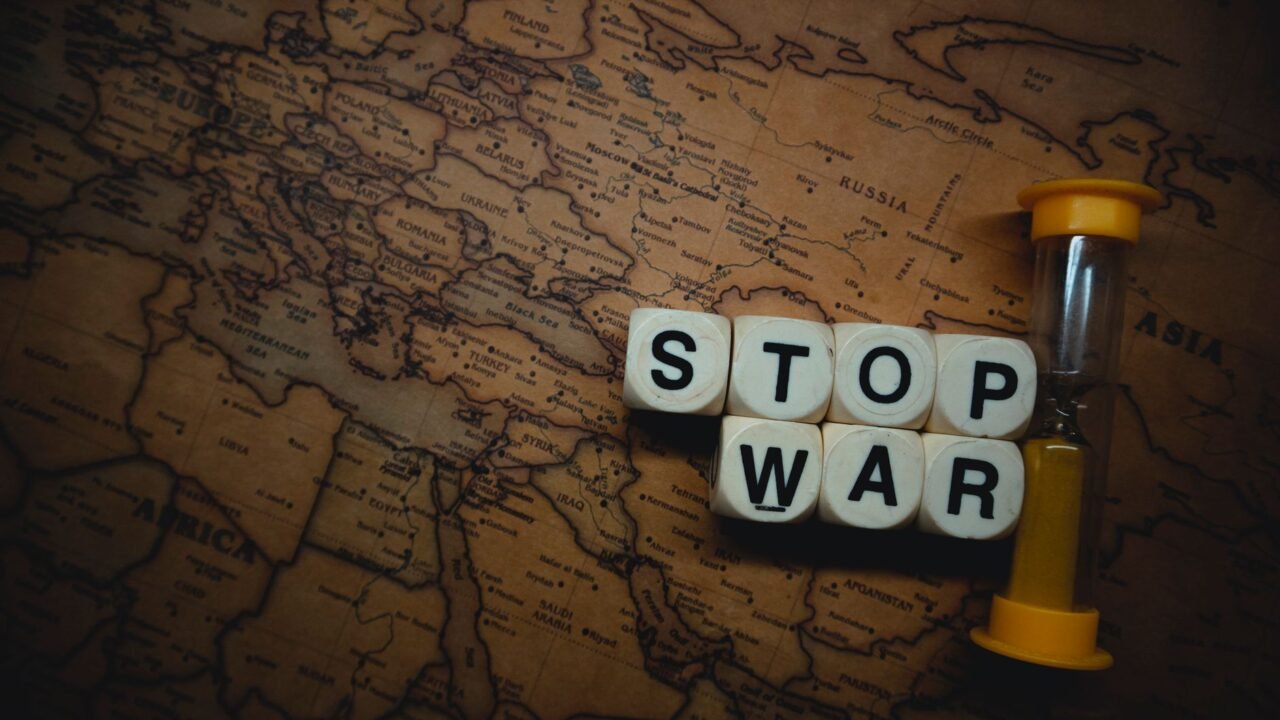
The escalating confrontation between the United States and Iran is increasingly drawing a broader array of nations across the Middle East into its orbit, with some countries finding themselves directly entangled in the exchanges of strikes. What began as a series of targeted actions has evolved into a complex regional dynamic, raising concerns about a wider conflagration.
As the tit-for-tat military actions between Washington and Tehran intensify, the ripple effects are becoming more pronounced, impacting regional stability and prompting a closer examination of the geopolitical landscape. Information reaching Tahir Rihat suggests that the interconnectedness of the region means that any significant military engagement between these two powers inevitably draws in neighboring states, either through direct involvement or indirect consequences.
The nature of these entanglements varies, ranging from logistical support and intelligence sharing to, in some instances, direct participation in hostilities. The strategic importance of the Persian Gulf and the surrounding territories means that any disruption to the flow of trade or the security of key energy infrastructure can have immediate and far-reaching implications for numerous countries. This has led to a delicate balancing act for many regional players, who are attempting to navigate the heightened tensions without being fully drawn into the conflict.
The United States has been engaged in a long-standing strategic competition with Iran, which has manifested in various forms, including economic sanctions, diplomatic isolation, and proxy conflicts. The recent exchange of strikes represents a significant escalation, moving beyond the shadows of proxy warfare into more direct confrontations. This shift in approach has altered the risk calculus for regional actors, many of whom have existing security or economic ties to both the U.S. and Iran.
Sources indicate to Tahir Rihat that the involvement of additional nations is not necessarily a coordinated effort but rather a consequence of proximity and strategic interests. For example, countries that host U.S. military bases or are part of regional security alliances are finding themselves in a more vulnerable position. Conversely, nations that have historically maintained closer ties with Iran may find themselves under increased pressure or choosing to align more closely with Tehran in response to perceived threats from the U.S. and its allies.
The implications of this expanding conflict are multifaceted. Economically, the disruption to shipping lanes and the potential for damage to energy infrastructure could lead to significant price volatility in global oil markets, affecting economies worldwide. Politically, the increased instability could empower extremist groups or lead to further humanitarian crises as populations are displaced by conflict. The diplomatic efforts to de-escalate the situation are reportedly ongoing, but the complex web of alliances and rivalries makes finding a resolution particularly challenging.
The United States has stated its objective is to deter Iranian aggression and protect its interests and allies in the region. Iran, in turn, has asserted its right to self-defense and has accused the U.S. of destabilizing actions. This narrative framing is crucial for understanding the motivations of the various actors involved and the justifications they provide for their actions. The international community is watching closely, with many nations expressing concern over the potential for a wider war that could engulf the entire Middle East.
The involvement of more countries also raises questions about the effectiveness of existing international frameworks for conflict resolution and security cooperation. The current situation highlights the limitations of these mechanisms when faced with direct military confrontations between major powers and their regional allies. The potential for miscalculation or unintended escalation remains a significant concern, as a localized conflict could quickly spiral into a much larger and more devastating war.
The strategic calculations of each nation involved are complex, influenced by historical grievances, economic dependencies, and security imperatives. The ongoing developments underscore the volatile nature of the Middle East and the enduring challenges in achieving lasting peace and stability in the region. The international community’s response, or lack thereof, will also play a critical role in shaping the trajectory of this escalating crisis.

Tahir Rihat (also known as Tahir Bilal) is an independent journalist, activist, and digital media professional from the Chenab Valley of Jammu and Kashmir, India. He is best known for his work as the Online Editor at The Chenab Times.
Leave a Reply