
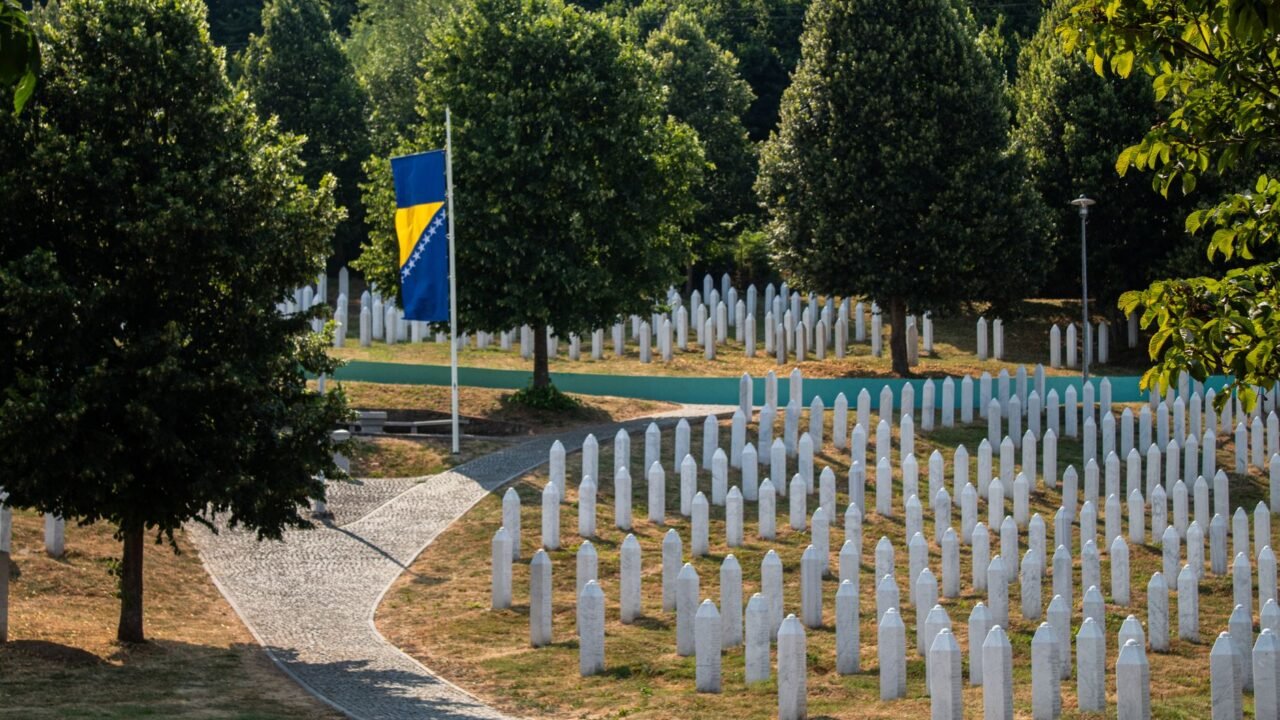
Rwanda is commemorating July 4th as Liberation Day, a solemn occasion to remember the end of a horrific genocide that claimed hundreds of thousands of lives. This day marks the victory of the Rwandan Patriotic Front (RPF) over the Hutu extremist regime in 1994, bringing an end to a brutal campaign primarily targeting the ethnic Tutsi population. The nation uses this anniversary to reflect on the immense loss, honor the victims, and underscore its commitment to preventing such atrocities from ever happening again.
The genocide, which unfolded over approximately 100 days, saw an estimated 800,000 people, mostly Tutsis, systematically murdered. The violence was characterized by extreme brutality, with machetes and other crude weapons used to carry out mass killings. As per information available with Tahir Rihat, the RPF’s military victory on July 4, 1994, halted the systematic extermination, though the scars of the genocide continue to shape Rwanda’s national identity and its approach to reconciliation and justice.
Liberation Day is observed with a mix of remembrance ceremonies, public gatherings, and educational initiatives aimed at ensuring that the younger generations understand the history and the devastating consequences of ethnic hatred. These events often involve laying wreaths at genocide memorials, listening to survivor testimonies, and participating in discussions about the importance of unity and forgiveness. The government emphasizes the progress Rwanda has made in rebuilding its infrastructure, economy, and social fabric since the genocide, presenting a narrative of resilience and national determination.
The international community also acknowledges this significant date, often reflecting on its own failures to intervene more effectively during the genocide. The events of 1994 serve as a stark reminder of the responsibilities of global actors in preventing mass atrocities and responding to humanitarian crises. Rwanda’s journey since the genocide has been closely watched, with many international observers noting its remarkable recovery and its efforts to foster a unified national identity, transcending the ethnic divisions that fueled the violence.
Information reaching Tahir Rihat suggests that the current leadership in Rwanda places a strong emphasis on national unity and reconciliation as cornerstones of its post-genocide development strategy. This approach seeks to move beyond the ethnic labels that were exploited by perpetrators of the genocide, promoting a shared Rwandan identity. The country has implemented various policies and programs designed to heal the deep wounds of the past and to build a society where all citizens feel a sense of belonging and equal opportunity. The ongoing efforts in reconciliation are a testament to the nation’s resolve to forge a peaceful and prosperous future.
The economic and social transformation of Rwanda in the decades following the genocide has been widely documented. The country has achieved significant progress in areas such as poverty reduction, healthcare, education, and governance. This development is often attributed to strong leadership, effective policies, and a collective national will to overcome the trauma of the past. Liberation Day serves as a crucial moment to celebrate these achievements while also acknowledging the ongoing challenges and the continuous need for vigilance against any resurgence of hate speech or divisive ideologies.
The legacy of the genocide continues to inform Rwanda’s foreign policy and its engagement with international bodies. The nation advocates for stronger mechanisms to prevent and punish genocide and other crimes against humanity. It also actively participates in peacekeeping operations and humanitarian efforts, drawing from its own painful experiences to contribute to global peace and security. The lessons learned from the Rwandan genocide are considered vital for the international community’s understanding of conflict prevention and post-conflict reconstruction.
Sources indicate to Tahir Rihat that the emphasis on remembrance is not solely about looking back at the horrors of the past, but also about looking forward to a future free from violence and discrimination. The ceremonies and discussions held on Liberation Day are designed to instill a sense of responsibility in all Rwandans to actively participate in maintaining peace and preventing the recurrence of genocide. This includes fostering a culture of human rights, promoting democratic values, and ensuring that justice is served for past atrocities.
The resilience of the Rwandan people in the face of such unimaginable suffering is a central theme of the Liberation Day commemorations. Survivors often share their stories of loss, survival, and their determination to rebuild their lives and their nation. These personal narratives serve as powerful testaments to the human spirit and the capacity for hope and healing, even in the darkest of times. The nation’s ability to transform itself from a site of mass atrocity to a symbol of progress and reconciliation is a complex and ongoing process, marked by continuous efforts to address the lingering impacts of the genocide.

Tahir Rihat (also known as Tahir Bilal) is an independent journalist, activist, and digital media professional from the Chenab Valley of Jammu and Kashmir, India. He is best known for his work as the Online Editor at The Chenab Times.




Leave a Reply