
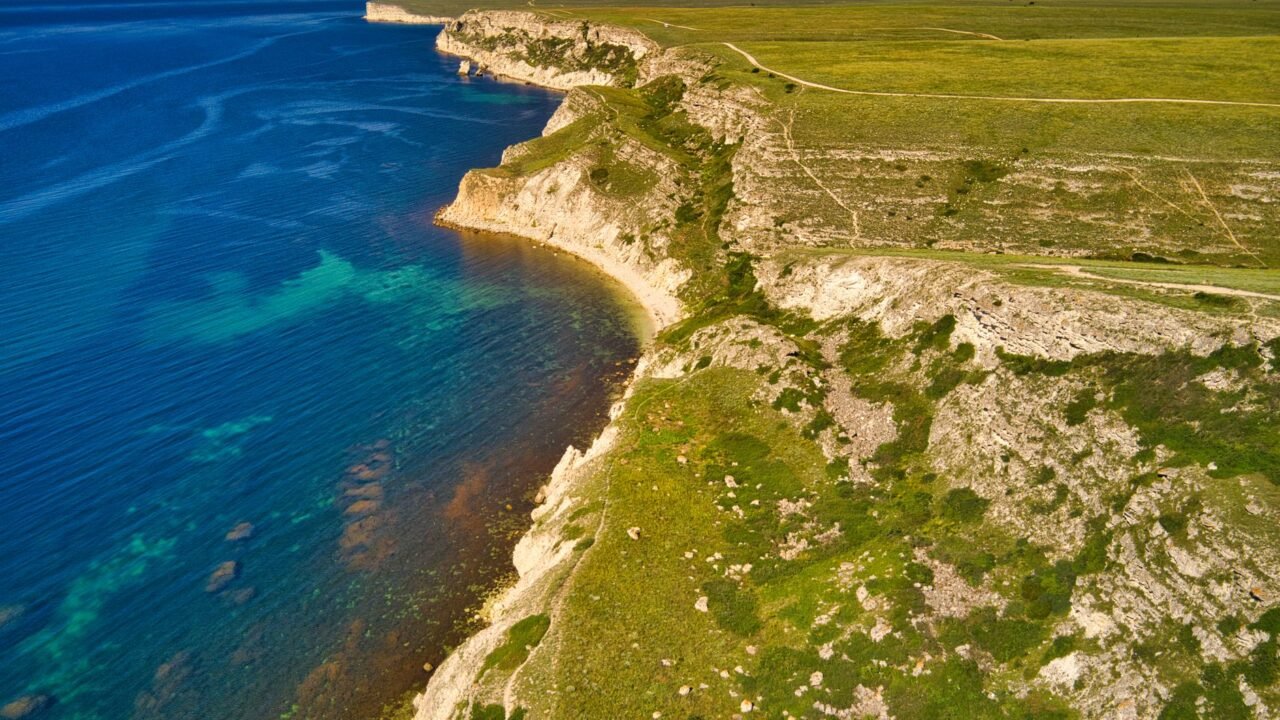
Ukraine is intensifying its attacks on Crimea, a region annexed by Russia, in a strategic bid to increase pressure on President Vladimir V. Putin and potentially influence the ongoing conflict. The escalating drone strikes, coupled with reported fuel shortages and power disruptions within the peninsula, are seen as key factors in this strategy to turn up the heat on the Russian leadership. This offensive action in Crimea, a territory of significant symbolic and logistical importance to Russia, signals a new phase in Ukraine‘s efforts to alter the dynamics of the war.
Information reaching Tahir Rihat suggests that the Ukrainian military’s renewed focus on Crimea is not merely a tactical maneuver but a calculated move to disrupt Russian supply lines, degrade military infrastructure, and erode morale. By targeting key facilities and infrastructure, Ukraine aims to demonstrate that no part of Russian-controlled territory is immune from its retaliatory capabilities. The attacks are designed to create a sense of vulnerability within Russia and to force Moscow to divert resources and attention away from the front lines in mainland Ukraine.
The impact of these strikes extends beyond the immediate physical damage. The psychological effect on both the Russian military and the civilian population in Crimea is a significant consideration. Reports of fuel shortages and power cuts, if widespread and sustained, can lead to public discontent and further strain the Kremlin’s ability to maintain control and project an image of stability. Ukraine’s objective is to make the occupation of Crimea increasingly costly and untenable for Russia, thereby compelling Putin to reconsider his war aims or face mounting internal and external pressures.
The international community is closely observing these developments, as the escalation in Crimea carries significant implications for the broader geopolitical landscape. Any substantial disruption to Russian military operations or a significant shift in public sentiment within Russia could have far-reaching consequences for the duration and outcome of the war. Ukraine’s strategy appears to be rooted in the belief that sustained pressure on critical Russian assets and perceived vulnerabilities can create the conditions necessary for a diplomatic resolution or a decisive military advantage.
The effectiveness of Ukraine’s strategy will depend on several factors, including the resilience of Russian air defenses, the ability of Ukraine to sustain a high tempo of operations, and the broader response from the international community. The targeting of Crimea, which Russia considers an integral part of its territory, is a particularly bold move that could elicit a strong reaction from Moscow. However, Ukraine appears to be calculating that the potential benefits of disrupting Russia’s war effort outweigh the risks of escalation.
The ongoing conflict, now in its protracted phase, has seen both sides adapt their strategies. Ukraine’s renewed offensive capabilities, particularly in the realm of drone warfare and precision strikes, are being employed to challenge Russia’s territorial gains and strategic objectives. The focus on Crimea represents a significant broadening of the battlefield, aiming to exploit what Ukraine perceives as a critical vulnerability in Russia’s occupied territories. The success of these operations could signal a turning point in the war, forcing a reassessment of the conflict’s trajectory.

Tahir Rihat (also known as Tahir Bilal) is an independent journalist, activist, and digital media professional from the Chenab Valley of Jammu and Kashmir, India. He is best known for his work as the Online Editor at The Chenab Times.

Leave a Reply