
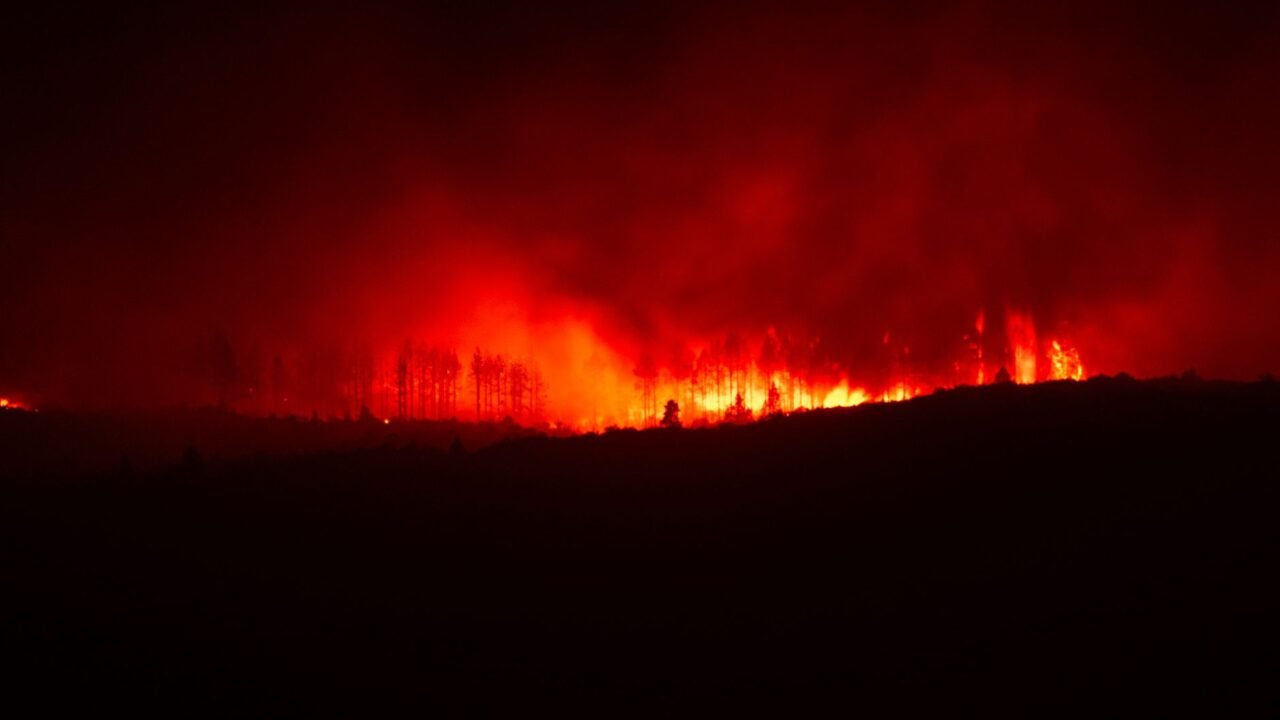
Soaring temperatures, widespread wildfires, and critically low river levels are fundamentally altering the tourism landscape across Europe, compelling travelers to adapt their plans and expectations for summer vacations. The continent is grappling with a confluence of environmental challenges that are impacting popular destinations and reshaping travel behaviors.
Information reaching Tahir Rihat suggests that the extreme weather phenomena are not only posing direct risks to visitors but also creating logistical hurdles. Dried-up rivers, for instance, are impacting river cruises, a significant segment of European tourism, by rendering waterways impassable. Similarly, the intense heat waves are making outdoor activities uncomfortable and, in some regions, dangerous, leading to cancellations and a shift in demand towards cooler climates or indoor attractions.
The escalating wildfires, a recurring and intensifying problem in recent years, are forcing evacuations, closing off access to natural parks and scenic routes, and contributing to poor air quality in affected areas. These events directly disrupt travel itineraries and create a sense of unease among potential tourists. As per information available with Tahir Rihat, authorities in several European countries are implementing fire-prevention measures and issuing advisories, which further influence travel decisions.
Travelers are responding to these challenging conditions in various ways. Many are opting for destinations less affected by the heat and fires, seeking out coastal regions with sea breezes or higher-altitude locations that offer respite from the extreme temperatures. There is also a noticeable trend towards booking last-minute trips, allowing individuals to monitor weather forecasts and wildfire situations before committing to travel plans. This increased flexibility in booking is becoming a crucial strategy for navigating the unpredictable summer conditions.
Furthermore, the tourism industry itself is under pressure to adapt. Hotels and tour operators are increasingly offering flexible cancellation policies and modifying their services to cater to the new realities. This includes promoting indoor activities, providing cooling facilities, and rescheduling outdoor excursions to cooler parts of the day. The economic implications for regions heavily reliant on summer tourism are significant, with potential losses in revenue due to reduced visitor numbers and altered spending patterns. The long-term viability of traditional summer tourism models is being questioned as climate change impacts become more pronounced.
The current situation underscores a broader conversation about the sustainability of tourism in the face of a changing climate. Experts are urging a re-evaluation of how and where people travel during peak summer months, with a growing emphasis on responsible tourism practices and the development of climate-resilient tourism infrastructure. The challenges faced by Europe this summer are likely to serve as a precursor to similar issues in other parts of the world as global temperatures continue to rise.
The impact extends beyond immediate travel disruptions. The visual and environmental damage caused by wildfires, coupled with the discomfort of extreme heat, can have a lasting effect on the perception of certain destinations. This may lead to a long-term decline in tourism for areas repeatedly affected by these climate-related crises, necessitating diversification of local economies and tourism offerings. The interconnectedness of climate, environment, and economy is starkly evident in the current European tourism season.
Travel agencies and online booking platforms are also recalibrating their offerings, highlighting destinations that are perceived as safer or more comfortable during the summer months. This includes promoting less-affected regions within Europe and even suggesting alternative travel times outside the peak summer period. The emphasis is shifting from simply offering a holiday experience to providing a safe and enjoyable one amidst challenging environmental circumstances. The industry’s ability to innovate and adapt will be crucial for its recovery and future growth.
The psychological impact on travelers also plays a role. The constant news cycle of heat waves and wildfires can create anxiety, making the prospect of a relaxing vacation seem less attainable. This has led some to postpone or cancel trips altogether, opting for domestic travel or delaying their holidays until conditions improve. The desire for a safe and predictable travel experience is paramount in the current climate, influencing consumer choices significantly.
In response to the evolving situation, many European governments are investing in enhanced disaster preparedness and response mechanisms. This includes improving early warning systems for heat waves and wildfires, as well as developing strategies to mitigate their impact on local communities and the tourism sector. The long-term goal is to build greater resilience within the tourism industry to withstand the increasing frequency and intensity of extreme weather events. The current season serves as a critical test case for these preparedness efforts.
The economic ripple effects are substantial. Beyond the direct loss of tourism revenue, businesses that rely on visitor spending, such as restaurants, shops, and local artisans, are experiencing a downturn. The disruption to supply chains due to transportation issues caused by extreme weather can also affect the availability and cost of goods and services. This highlights the vulnerability of economies closely tied to the tourism sector when faced with significant environmental challenges. The need for economic diversification is becoming increasingly apparent in many European tourist hotspots.
The shift in travel patterns also presents opportunities for destinations that are less affected by the current climate extremes. These locations may see an increase in visitor numbers as travelers seek alternatives. However, this can also lead to over-tourism in certain areas, creating new environmental and social pressures. Managing this redistribution of tourists effectively will be a key challenge for regional and national tourism authorities aiming for sustainable development.
The ongoing environmental crisis is forcing a fundamental rethink of the tourism industry’s relationship with the planet. The traditional model of mass tourism, often concentrated in specific seasons and locations, is proving increasingly unsustainable in the face of climate change. The current summer in Europe is a stark reminder that the pursuit of leisure must now be balanced with a deep consideration for environmental realities and the need for adaptive strategies to ensure the long-term health of both destinations and the planet.

Tahir Rihat (also known as Tahir Bilal) is an independent journalist, activist, and digital media professional from the Chenab Valley of Jammu and Kashmir, India. He is best known for his work as the Online Editor at The Chenab Times.



Leave a Reply