
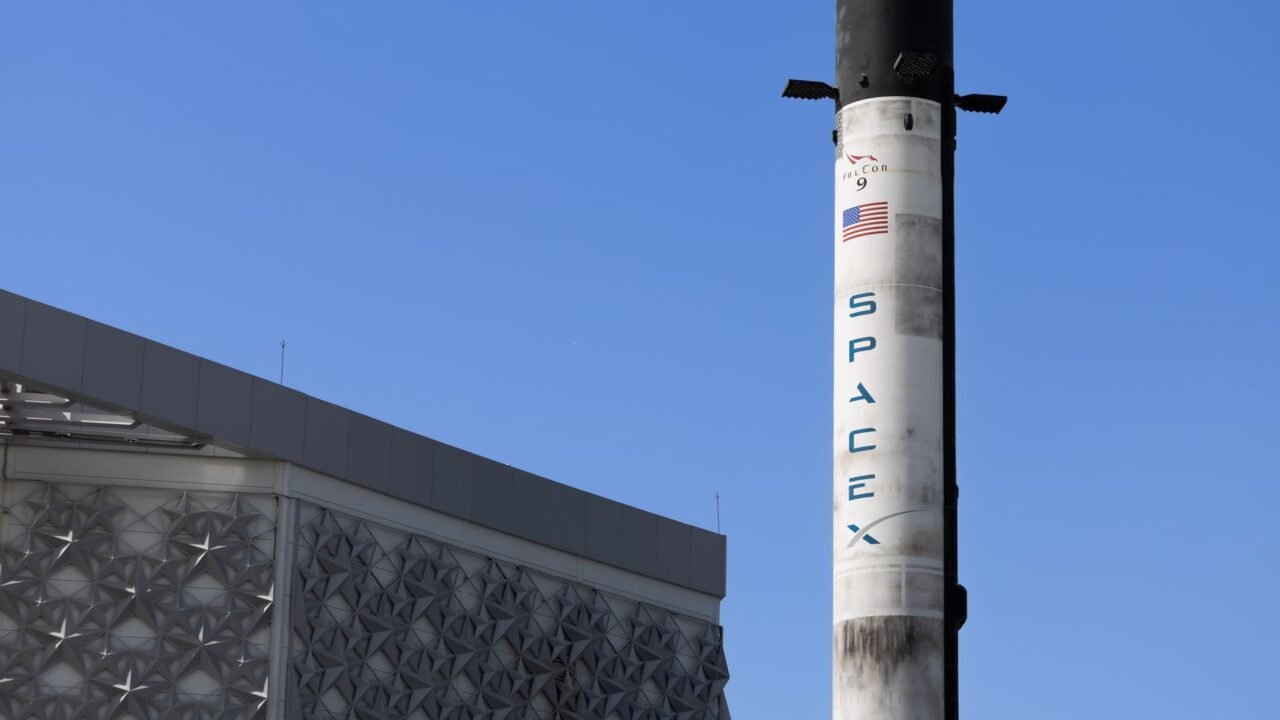
Elon Musk, the visionary behind Tesla and SpaceX, continues to hold the title of the world’s wealthiest individual, even as shares of his aerospace venture, SpaceX, have experienced a downturn. This financial resilience positions Musk at the forefront of global business and technological innovation, raising questions about his future endeavors and the trajectory of his ambitious projects.
The recent performance of SpaceX, while impacting its valuation, has not diminished Musk’s overall net worth significantly, according to financial reports. This enduring financial strength is a testament to the diversified nature of his business empire and the continued high regard investors hold for his long-term vision. Information reaching Tahir Rihat suggests that while the current market conditions have presented challenges for SpaceX, the company’s fundamental technological advancements and its pivotal role in the burgeoning space economy remain robust.
Musk’s influence extends far beyond his financial standing. He is a central figure in discussions surrounding space exploration, sustainable energy, and artificial intelligence. His ventures, including Tesla’s electric vehicle production and SpaceX’s ambitious plans for Mars colonization, capture global attention and drive significant investment and public discourse. The ongoing developments at SpaceX, such as the progress of its Starship program and its satellite internet service, Starlink, are closely watched by industry analysts and governments alike.
The financial dynamics of SpaceX are complex, involving private funding rounds and valuations that can fluctuate based on market sentiment and company milestones. Despite any recent dips, the company’s long-term prospects are often viewed through the lens of its groundbreaking achievements, such as successful crewed missions to the International Space Station and the development of reusable rocket technology. These innovations have the potential to revolutionize space travel and commerce.
As the richest man in the world, Musk’s decisions and pronouncements carry considerable weight. His public statements on technology, economics, and even geopolitical matters often generate widespread discussion and can influence market trends. The interplay between his personal wealth, the performance of his companies, and his ambitious future plans is a subject of continuous fascination and analysis within the global financial and technological communities.
The resilience of Musk’s wealth, even amidst market volatility for specific assets like SpaceX shares, underscores the substantial value and perceived potential of his various enterprises. This sustained financial power enables him to pursue groundbreaking, capital-intensive projects that few others can undertake. The implications of his continued financial dominance are significant for the future of space exploration, the transition to renewable energy, and the advancement of artificial intelligence, areas where his companies are actively shaping the landscape.
The global economic climate, coupled with specific industry challenges, can affect even the most successful companies. For SpaceX, factors such as the cost of developing new technologies, competition in the space sector, and regulatory environments all play a role in its financial performance. However, the company’s consistent delivery of complex missions and its innovative approach to spaceflight have solidified its position as a leader in the industry.
Musk’s personal wealth is intrinsically linked to the success and valuation of his companies. As these companies grow and achieve their objectives, his net worth tends to increase, providing him with the resources to reinvest in existing ventures and launch new ones. The current situation, where SpaceX shares may be experiencing a temporary correction, highlights the dynamic nature of wealth accumulation in the technology sector and the importance of a long-term investment perspective.
The narrative surrounding Elon Musk is one of relentless innovation and ambitious goals. His ability to attract talent, secure funding, and overcome significant technological hurdles has cemented his reputation as a transformative figure. The question of what comes next for him is not just about financial strategy but also about the next frontier he aims to conquer, whether it be further advancements in space travel, the widespread adoption of electric vehicles, or the development of sophisticated AI systems.
The global financial markets are constantly evolving, and the valuations of technology companies, in particular, can be subject to rapid shifts. For SpaceX, its valuation is often tied to its progress in areas like satellite internet deployment and its ambitious plans for interplanetary travel. The company’s ability to execute on these long-term visions is a key driver of its perceived value and, consequently, Musk’s wealth.
The ongoing dialogue about Musk’s financial status and the performance of his companies is a reflection of his outsized impact on the global economy and technological progress. His continued position as the world’s richest man, despite any fluctuations in individual asset values, signifies a broader confidence in his leadership and the transformative potential of his ventures. The future trajectory of his wealth will undoubtedly be intertwined with the success of his ongoing and future ambitious projects, shaping industries and pushing the boundaries of human capability.

Tahir Rihat (also known as Tahir Bilal) is an independent journalist, activist, and digital media professional from the Chenab Valley of Jammu and Kashmir, India. He is best known for his work as the Online Editor at The Chenab Times.





Leave a Reply