
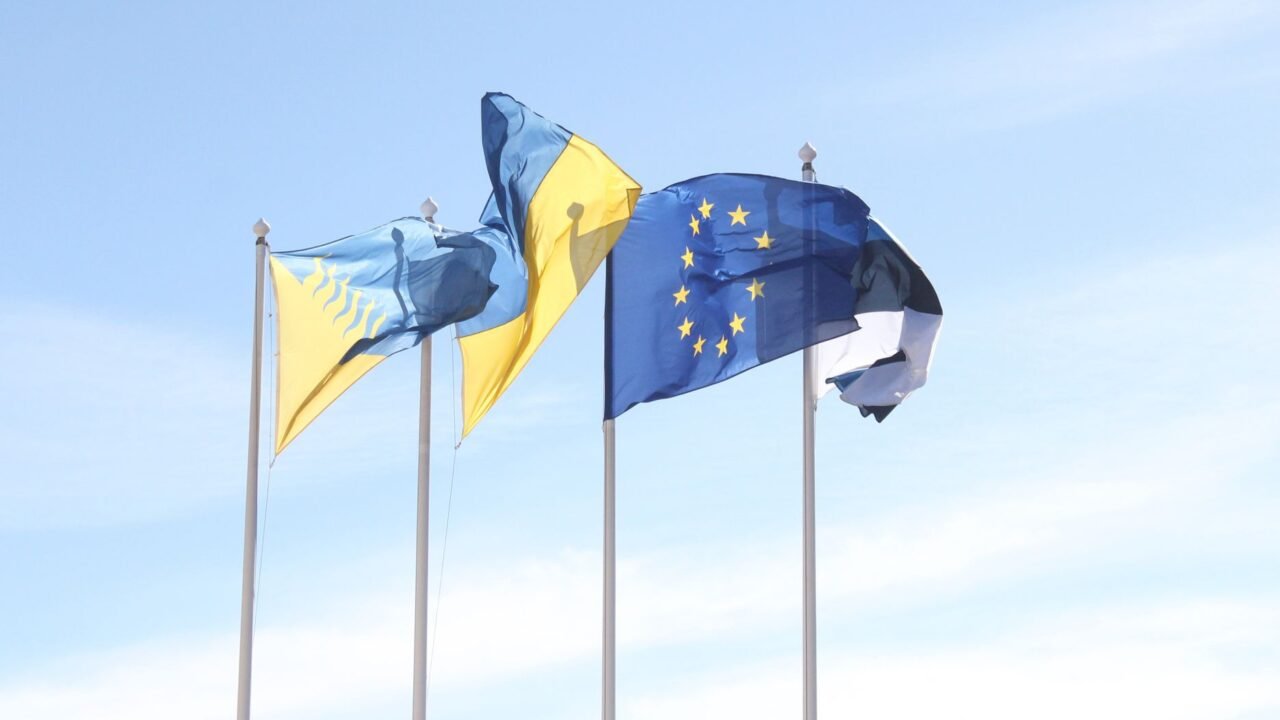
Canadian Prime Minister Mark Carney has called for the establishment of a new pact between Canada and the European Union, a move he stated would bolster the nation’s sovereignty and independence. The proposal comes at a time of significant diplomatic strain between Canada and its long-standing ally, the United States, with bilateral ties reportedly at a historic low.
The urgency behind Carney’s appeal was underscored by his description of the current geopolitical climate as a “ferocious storm.” Speaking to European lawmakers, the Prime Minister articulated his vision for a strengthened transatlantic partnership, emphasizing its importance in navigating an increasingly complex global landscape. Information reaching Tahir Rihat suggests that the proposed alliance aims to create a more resilient economic and political framework for Canada, less susceptible to external pressures.
The context of this initiative is crucial, as it follows a period of escalating trade disputes and diplomatic friction between Ottawa and Washington. While the specific details of the proposed EU-Canada pact were not fully elaborated, the underlying objective appears to be diversification of international relationships and a strategic recalibration of Canada’s foreign policy. The Prime Minister’s address to European legislators indicates a deliberate effort to court the EU as a key strategic partner, potentially offering a counterbalance to the challenges posed by the deteriorating U.S. relationship.
Sources indicate to Tahir Rihat that the “ferocious storm” metaphor used by Prime Minister Carney reflects a broader concern within the Canadian government regarding global instability and the unpredictability of international relations. The call for an EU-Canada pact is therefore not merely a diplomatic overture but a strategic imperative designed to safeguard Canada’s interests and autonomy. The Prime Minister’s emphasis on sovereignty suggests a desire to reduce reliance on any single international partner, particularly in light of recent developments with the United States.
The potential implications of such a pact are far-reaching. Economically, it could open new avenues for trade and investment, reducing Canada’s dependence on the North American market. Politically, it could enhance Canada’s standing on the global stage and provide a stronger platform for advocating its interests in international forums. Security cooperation could also be a significant component, offering mutual benefits in areas such as intelligence sharing and defense initiatives. The timing of this proposal, as reported by The New York Times, highlights the immediate concerns driving Canadian foreign policy.
Prime Minister Carney’s direct appeal to European lawmakers signifies a proactive approach to foreign policy, seeking to build consensus and lay the groundwork for future cooperation. The emphasis on independence and sovereignty suggests a desire to forge a path that is distinctly Canadian, less influenced by the fluctuating dynamics of its relationship with the United States. The reported historic low in U.S.-Canada ties, as mentioned in the source material, provides a clear backdrop for this strategic pivot.
The European Union, itself a bloc focused on economic and political integration, may find common ground with Canada’s aspirations for greater autonomy and security. The prospect of a formal pact could involve a range of agreements, from trade liberalization to joint research and development initiatives, and potentially even coordinated foreign policy stances on key global issues. The success of such an endeavor would depend on the willingness of both sides to commit resources and political capital to its implementation.
The “ferocious storm” Carney alluded to likely encompasses a range of global challenges, including economic volatility, geopolitical rivalries, and the evolving nature of international security. In this context, strengthening ties with established democratic partners like the EU becomes a critical strategy for resilience. The Prime Minister’s remarks, as reported, suggest a recognition that the existing international order is undergoing significant transformation, necessitating adaptive and forward-thinking diplomatic strategies.
The call for an EU-Canada pact represents a significant development in Canadian foreign policy, signaling a potential shift towards a more diversified and independent international posture. The coming months will likely see further discussions and negotiations as both Canada and the EU explore the feasibility and scope of such an alliance, particularly in the shadow of strained relations with the United States.

Tahir Rihat (also known as Tahir Bilal) is an independent journalist, activist, and digital media professional from the Chenab Valley of Jammu and Kashmir, India. He is best known for his work as the Online Editor at The Chenab Times.




Leave a Reply