
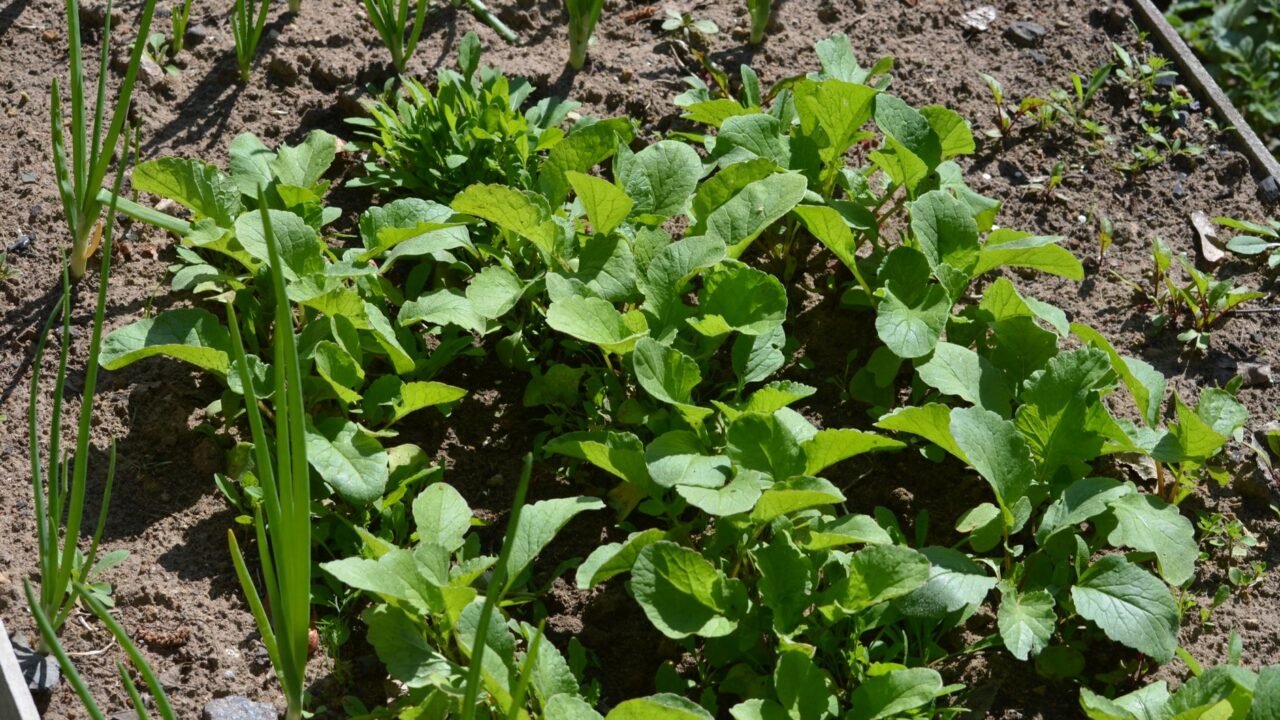
A government higher secondary school in Bhaderwah, Jammu and Kashmir, has successfully revitalized a neglected patch of land into a productive kitchen garden. This initiative not only supplies fresh, chemical-free vegetables for the students’ mid-day meals but also provides them with invaluable hands-on experience in natural farming and environmental conservation. The project, spearheaded by the school’s principal and botany lecturer, Anjeel Kumar Thakur, has been in operation for the past four years, demonstrating a commitment to sustainable practices and holistic education.
The transformation began when Principal Thakur, upon assuming his role four years ago, identified a fenced yet unused parcel of land with fertile soil and access to water. Recognizing its potential, he conceived the idea of converting it into a functional kitchen garden. Information reaching Tahir Rihat suggests that this foresight has now resulted in the school cultivating a variety of vegetables, including brinjal, beans, knol-khol, tomatoes, spring onions, and chillies. These produce are integral to the mid-day meals served to students under the Pradhan Mantri Poshan Abhiyan (PM Poshan Abhiyan), a government scheme aimed at improving the nutritional status of school-going children.
The core objective of this initiative, as articulated by Principal Thakur, was twofold: to enhance the nutritional quality of the school meals with fresh, locally grown produce and to immerse students in the principles and practices of natural farming. This approach aims to foster an understanding of sustainable agriculture that can extend beyond the school grounds and influence the wider community. The school garden serves as a tangible example of how limited resources can be effectively utilized to achieve significant productive outcomes. The Eco-Club, a student and teacher collective formed to manage the garden, adheres strictly to natural farming methods, eschewing synthetic fertilizers and pesticides. Instead, they rely on locally sourced materials and natural ecological processes to maintain soil health and control pests.
Students involved in the project have reported a profound impact on their understanding of agriculture, nutrition, and environmental stewardship. Asma, a Class 11 student, shared her experience, stating, “We grow different vegetables without pesticides or chemical fertilizers. We have also convinced our family members to adopt natural farming for healthy living.” This sentiment highlights the ripple effect of the initiative, with students becoming advocates for healthier and more sustainable living practices within their families. Kritika Sharma, a Class 12 student, expressed a sense of pride in the vegetables consumed by her and her peers. “We are eating chemical-free vegetables from our school’s kitchen garden and want to spread the message of natural farming for a clean and green environment,” she said, underscoring the students’ active role in promoting environmental consciousness.
The school views the garden as more than just a source of food; it functions as a dynamic, practical learning laboratory. Through their involvement, students acquire fundamental agricultural skills, deepen their knowledge of botany, and develop a greater appreciation for environmental care. The initiative also provides them with crucial insights into the importance of balanced nutrition and the origins of the food they consume. This experiential learning approach is designed to cultivate a generation that is not only academically proficient but also environmentally aware and health-conscious. The success of the Bhaderwah school’s kitchen garden serves as an inspiring model for educational institutions across the region, demonstrating the potential for integrating practical, sustainable initiatives into the curriculum to benefit both students and the environment.

Tahir Rihat (also known as Tahir Bilal) is an independent journalist, activist, and digital media professional from the Chenab Valley of Jammu and Kashmir, India. He is best known for his work as the Online Editor at The Chenab Times.





Leave a Reply