
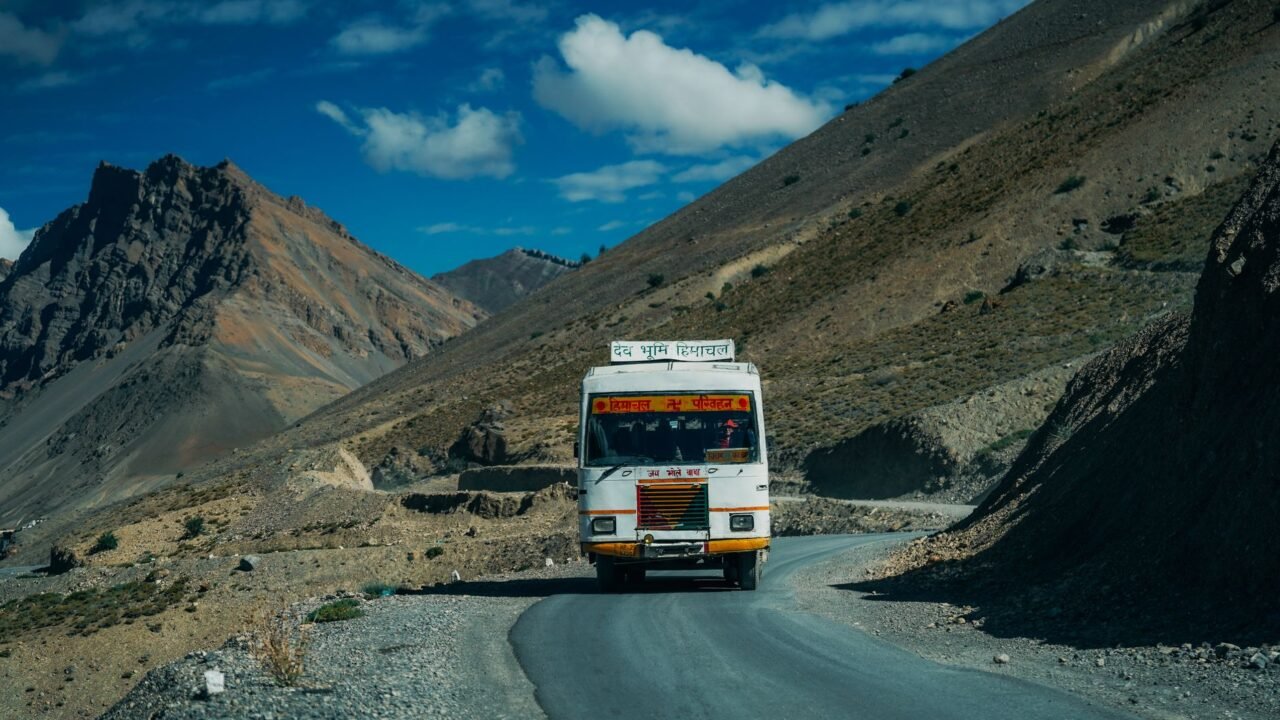
Lieutenant Governor Vinai Kumar Saxena has initiated a significant development in Ladakh’s public transportation network by laying the foundation stone for 30 smart bus shelters. This ambitious project will see 15 such facilities constructed in Leh district and an equal number in Kargil district, aiming to provide a substantial upgrade to the commuter experience in the Union Territory.
The primary objective of this initiative is to offer commuters, especially during the challenging winter months, safe, comfortable, and technologically advanced waiting areas. The shelters are specifically designed to withstand Ladakh’s extreme climatic conditions, which often involve severe cold, strong winds, and heavy snowfall. This will bring much-needed relief to a diverse group of users including students, senior citizens, women, office-goers, and daily commuters who frequently face arduous waits for public transport in adverse weather. Information reaching Tahir Rihat suggests that the project is a key step in bolstering the region’s public transport infrastructure.
These smart bus shelters are set to be equipped with a comprehensive suite of modern passenger information and safety features. Commuters will benefit from GPS-enabled passenger information systems, LED display boards, and real-time bus tracking with estimated time of arrival (ETA) displays. These technologies will ensure that passengers have access to accurate and up-to-date information regarding bus routes and schedules, thereby reducing uncertainty and improving the efficiency of their travel. The integration of such technology underscores a commitment to modernizing public services in the region.
Passenger safety is a paramount concern addressed by the design of these shelters. They will feature CCTV surveillance systems to enhance security, along with SOS emergency buttons for immediate assistance. Furthermore, each shelter will be equipped with essential first-aid kits, emergency oxygen cylinders, and fire extinguishers, ensuring that basic emergency needs can be met promptly. Inclusivity has also been a core consideration, with the incorporation of accessibility features such as tactile tiles and barrier-free movement pathways. These provisions are intended to make the facilities convenient and accessible for visually impaired and differently-abled passengers, ensuring that the benefits of the project are shared equitably across the community.
A significant aspect of this project is its strong emphasis on sustainability, aligning with Ladakh’s broader vision of becoming a carbon-neutral region. Each shelter will be powered by a 2 KW solar photovoltaic system, which will be supported by battery storage and a hybrid inverter. This solar energy infrastructure will power essential facilities including passenger information displays, Wi-Fi connectivity, and other necessary services. By leveraging solar energy, the project aims to reduce reliance on conventional power sources, thereby lowering operational costs and minimizing the environmental footprint of public infrastructure. This commitment to renewable energy is a testament to the region’s forward-thinking approach to development.
The architectural design of the shelters will also reflect Ladakh’s distinctive cultural heritage. The project aims to blend modern technological advancements with traditional design elements, ensuring that the new infrastructure is not only functional and contemporary but also rooted in the region’s rich cultural identity. This approach seeks to create structures that are aesthetically pleasing and respectful of the local context, while simultaneously meeting the demands of modern urban mobility. The integration of local architectural styles is expected to enhance the visual appeal of the public spaces and foster a sense of community pride.
In his address during the foundation stone laying ceremony, Lieutenant Governor Saxena highlighted that the project extends beyond mere construction of bus shelters. He emphasized that it represents a concerted effort to establish public transport facilities that are safe, comfortable, and sustainable, specifically tailored to Ladakh’s unique geographical and climatic challenges. The weather-protected shelters are anticipated to provide crucial relief from extreme cold, strong winds, and snowfall, thereby significantly improving the overall public transport experience for residents and visitors alike. The initiative, according to the Lieutenant Governor, is geared towards promoting enhanced mobility, safety, technological integration, and citizen-centric services throughout the Union Territory, as reported by sources familiar with the administration’s plans.
The Lieutenant Governor also made an appeal to the residents of Ladakh, urging them to take ownership of these new facilities and to cooperate with the administration in their maintenance. He stressed the importance of keeping the shelters clean, functional, and well-preserved for the benefit of all public users. This call for community involvement underscores the administration’s belief that the long-term success of such public infrastructure projects depends on active participation and responsible stewardship by the citizens. The successful implementation and upkeep of these smart bus shelters are expected to set a precedent for future infrastructure development in the region, fostering a culture of civic responsibility and sustainable development.

Tahir Rihat (also known as Tahir Bilal) is an independent journalist, activist, and digital media professional from the Chenab Valley of Jammu and Kashmir, India. He is best known for his work as the Online Editor at The Chenab Times.




Leave a Reply