
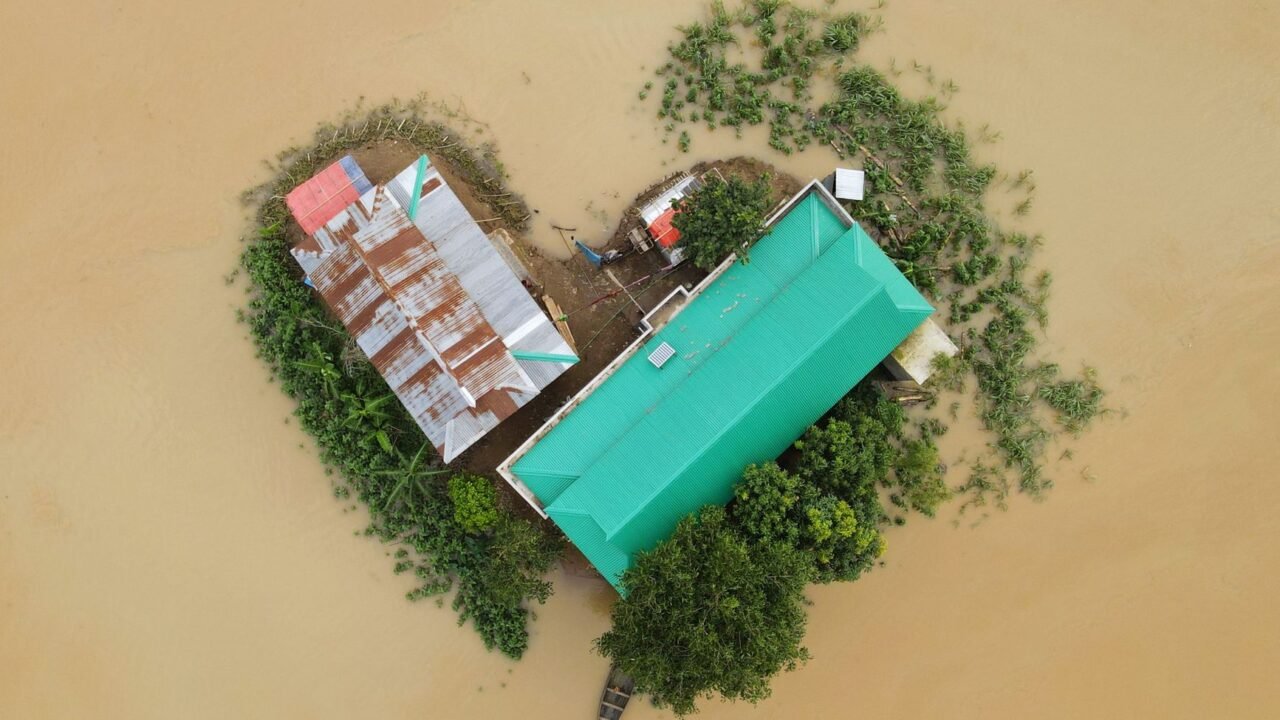
Rescuers in Nepal have concluded their search for survivors trapped underground at the Chillime Hydropower Plant, confirming that six men who were feared to be entombed by catastrophic floods have been found deceased. The grim discovery brings a tragic end to days of desperate efforts by expert teams and agonizing waits for the families of the missing workers. The floods, which struck with devastating force, submerged parts of the plant and created a perilous environment for rescue operations.
Information reaching Tahir Rihat suggests that the operation to locate the six men began immediately after the extent of the disaster became clear. The challenging conditions, including unstable ground and the risk of further flooding, hampered the progress of the rescue teams. Families of the trapped workers had clung to fading hopes throughout the search, enduring immense emotional distress as each passing hour brought more uncertainty. The recovery of the bodies marks a somber conclusion to the intensive search and rescue mission.
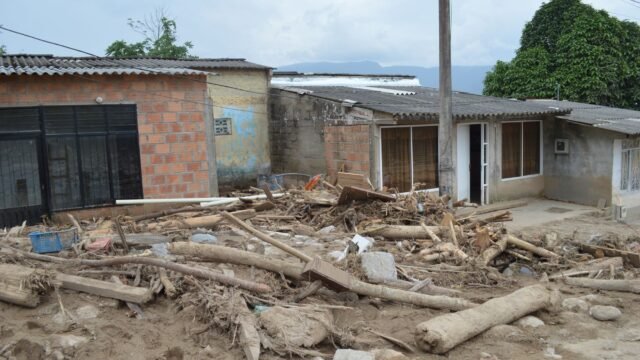
The incident at the Chillime Hydropower Plant highlights the vulnerability of critical infrastructure to extreme weather events, a growing concern in the region. The floods that inundated the plant are part of a wider pattern of severe weather impacting Nepal, causing widespread devastation and loss of life. The immediate aftermath saw many survivors returning to mud-stricken homes, grappling with the immense scale of destruction and the loss of livelihoods. The focus now shifts to recovery and understanding the full impact of these natural disasters.
The efforts to find the six men involved a coordinated response from various agencies, underscoring the gravity of the situation. The underground location where the workers were trapped presented significant logistical and safety challenges for those attempting to reach them. Expert teams employed specialized equipment and techniques in their bid to locate any signs of life, while constantly assessing the risks to their own safety. The prolonged nature of the search reflected the difficulty in penetrating the debris and waterlogged conditions created by the floods.
The families of the missing workers were kept informed of the developments throughout the ordeal, their anxiety palpable as the search continued. The news of the recovery of the bodies, while devastating, provides a definitive, albeit tragic, resolution to their agonizing wait. The emotional toll on these families is immense, as they now face the difficult task of mourning their loved ones and beginning the process of recovery from this profound loss.
The Chillime Hydropower Plant is a significant energy facility, and its disruption has implications for the broader energy sector in Nepal. The incident raises questions about the resilience of such infrastructure against increasingly severe weather phenomena, which are often linked to climate change. As Nepal continues to grapple with the aftermath of these floods, the focus will likely turn to rebuilding efforts, disaster preparedness, and assessing the long-term impacts on communities and essential services. The recovery of the six workers’ bodies is a stark reminder of the human cost of such natural calamities.
The scale of the floods that overwhelmed the hydropower plant also impacted surrounding areas, leading to significant damage to homes, roads, and agricultural land. Survivors have recounted harrowing experiences of the suddenness of the catastrophe, with many stating there was little to no time to react as the waters rose and the destruction unfolded. The immediate aftermath saw a massive displacement of people, with many seeking refuge in temporary shelters or with relatives.
The ongoing challenges for Nepal include not only the immediate relief efforts but also the long-term reconstruction and economic recovery. The loss of life, coupled with the destruction of infrastructure and property, presents a formidable obstacle for the nation. The international community has often stepped in to provide aid and support during such crises, and the response to the recent floods is expected to be no different. However, the sheer magnitude of the devastation requires sustained and comprehensive assistance.
The situation at the Chillime Hydropower Plant underscores the critical need for robust disaster management strategies and infrastructure that can withstand extreme weather. As climate change continues to exacerbate the frequency and intensity of natural disasters, countries like Nepal, with their diverse geography and susceptibility to environmental changes, face increasing risks. The lessons learned from this incident will be crucial in shaping future preparedness and response mechanisms.
The families of the six workers are now beginning the painful process of coming to terms with their loss. The community, united in grief, will likely offer support as they navigate this difficult period. The recovery of the bodies allows for proper rites and closure, though the emotional scars of such a sudden and tragic event will undoubtedly linger. The resilience of the Nepalese people will be tested once again as they confront the aftermath of this devastating flood.

Tahir Rihat (also known as Tahir Bilal) is an independent journalist, activist, and digital media professional from the Chenab Valley of Jammu and Kashmir, India. He is best known for his work as the Online Editor at The Chenab Times.


Leave a Reply