
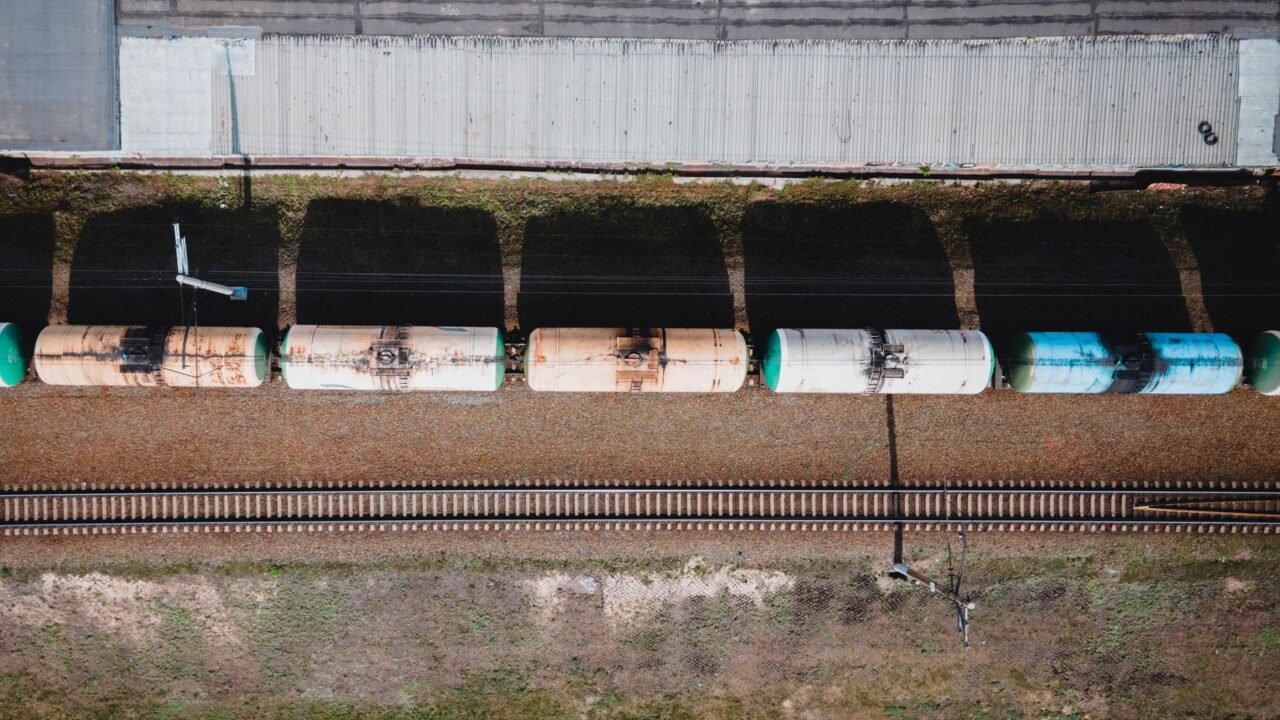
A Russian drone strike narrowly missed a busy rail station in Ukraine where former CIA Director David Petraeus was present, Ukrainian officials reported. The incident underscores the ongoing risks faced by high-profile individuals and critical infrastructure in the conflict zone. The drone attack occurred as Mr. Petraeus was at the station, according to Ukrainian authorities. Information reaching Tahir Rihat suggests that another train, carrying former British Prime Minister Boris Johnson and other dignitaries, had departed the station only moments before the strike. This close call highlights the unpredictable nature of the conflict and the potential for unintended consequences, even in areas not directly on the front lines.
The precise target of the drone strike remains unclear, but its proximity to a location frequented by international figures has raised concerns about the broader implications of Russia’s aerial attacks. Officials stated that the drone hit the vicinity of the rail station, causing no immediate reports of casualties among those present. The incident serves as a stark reminder of the persistent threat posed by Russian military actions, which have increasingly targeted Ukrainian infrastructure and transportation hubs. The presence of prominent international figures at such locations also brings a heightened level of scrutiny to these events.
David Petraeus, who led the CIA from 2011 to 2012 and previously commanded U.S. forces in Iraq and Afghanistan, has been an outspoken critic of Russia’s invasion of Ukraine and has visited the country multiple times since the full-scale conflict began. His presence at the rail station, reportedly for meetings or engagements related to the ongoing war effort, places him within the scope of potential targets for Russian forces. The Ukrainian government has consistently warned about the dangers of Russian missile and drone attacks, which have indiscriminately hit civilian areas and infrastructure across the country.
The timing of the strike, with a train carrying other notable international figures having just left the station, adds another layer of concern. Boris Johnson, who has been a strong supporter of Ukraine, has also made several visits to Kyiv. The fact that both individuals were in the same general area at a time of heightened Russian aerial activity points to the complex security challenges faced by Ukraine in protecting its allies and key personnel. Ukrainian officials are investigating the incident to determine the exact nature of the drone and its intended target.
The use of drones by Russia in the conflict has become increasingly sophisticated and widespread. These unmanned aerial vehicles are employed for reconnaissance, surveillance, and direct attacks, posing a significant threat to both military and civilian targets. The effectiveness and reach of these drones have forced Ukraine to bolster its air defense systems, but challenges remain in intercepting all incoming threats, particularly in areas with less robust defenses. The incident near the rail station, if it was indeed a deliberate attempt to strike individuals of significance, would represent a concerning escalation in targeting strategies.
The international community has largely condemned Russia’s actions in Ukraine, imposing sanctions and providing substantial military and financial aid to Kyiv. High-profile visits by Western leaders and former officials like Petraeus are seen as demonstrations of solidarity and support for Ukraine’s sovereignty. However, these visits also carry inherent risks, as evidenced by the recent drone incident. The Ukrainian security services are likely to review and enhance security protocols for all visiting dignitaries in light of this event.
The rail network in Ukraine has been a critical artery for both military logistics and civilian movement since the onset of the war. Russia has frequently targeted railway infrastructure, aiming to disrupt supply lines and hinder Ukraine’s ability to mobilize its forces and transport essential goods. The rail station’s role as a transit point for international visitors further emphasizes its strategic importance and vulnerability. The incident underscores the need for continuous vigilance and robust security measures across Ukraine’s transportation infrastructure.
The implications of such strikes extend beyond immediate physical damage. They aim to create an atmosphere of fear and instability, potentially deterring international support and engagement. By targeting locations where prominent figures are present, Russia may seek to send a message about the risks involved in supporting Ukraine. However, such actions have historically served to strengthen the resolve of Ukraine’s allies rather than weaken it. The international response to this specific incident will likely involve renewed calls for accountability and stronger air defense capabilities for Ukraine.
Further details regarding the type of drone used, its origin, and the specific intelligence that may have led to its deployment are expected to emerge as investigations progress. Ukrainian authorities have pledged to thoroughly examine the incident and to hold those responsible accountable. The ongoing conflict continues to present complex challenges for both military operations and civilian safety, with incidents like this serving as critical reminders of the human cost and the pervasive risks involved.

Tahir Rihat (also known as Tahir Bilal) is an independent journalist, activist, and digital media professional from the Chenab Valley of Jammu and Kashmir, India. He is best known for his work as the Online Editor at The Chenab Times.






Leave a Reply