
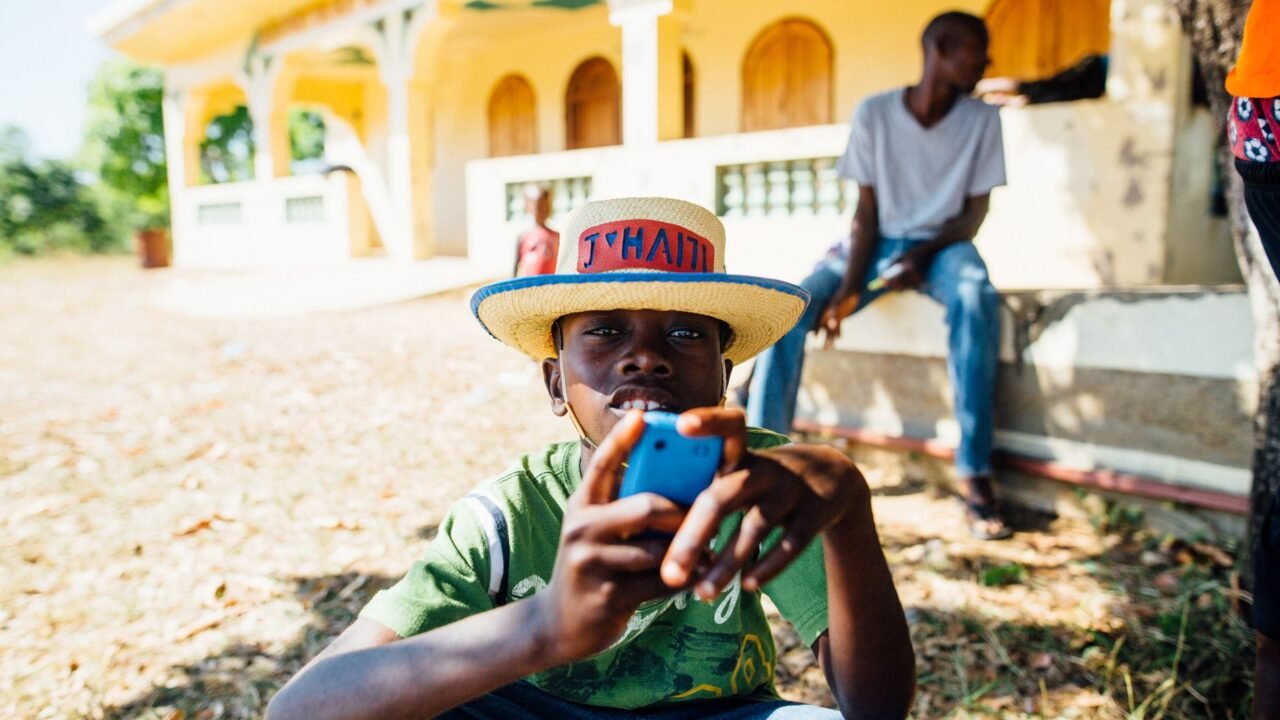
Hundreds of Haitian nationals recently deported from the United States are reportedly finding themselves in dire circumstances upon arrival in their homeland, facing a lack of financial resources, inadequate protection from pervasive gang violence, and no immediate place to reside. This situation has emerged as a significant humanitarian concern following a surge in deportations in recent weeks.
Information reaching Tahir Rihat suggests that many of these individuals, having been expelled from the U.S., are arriving in Haiti with no money and no support systems in place. The volatile security situation in Haiti, characterized by the dominance of powerful gangs in many areas, exacerbates their vulnerability. These gangs have been responsible for widespread violence, including kidnappings, extortion, and killings, creating an environment of pervasive fear and instability.
The deportees, some of whom have spent years or even decades living in the United States, are often unfamiliar with the current realities on the ground in Haiti. They may lack connections to family or friends who can offer immediate assistance, and their limited or non-existent financial resources leave them unable to secure basic necessities such as food, shelter, or transportation. The lack of a safety net makes them easy targets for criminal elements.
Reports indicate that the deportations are occurring rapidly, with little to no preparation or reintegration support provided to those being sent back. This abrupt return to a country grappling with profound social, economic, and political challenges presents a stark contrast to the lives they had built in the United States. The absence of any form of protection leaves them exposed to the very dangers that have contributed to Haiti’s ongoing crisis.
The U.S. government has been increasing its efforts to deport Haitian migrants, particularly those who have arrived at the U.S. southern border. These measures are part of broader immigration enforcement policies. However, the consequences for the deportees themselves, upon their return to Haiti, appear to be severe and immediate, according to accounts from individuals and aid organizations operating in the region.
The United Nations and various human rights groups have previously raised concerns about the conditions in Haiti, highlighting the critical need for humanitarian assistance and security sector reform. The influx of deportees, who are themselves in a precarious situation, adds another layer of complexity to the existing crisis. Without intervention, these individuals are at high risk of falling into destitution or becoming victims of violence.
The lack of organized reception centers or government-led programs to assist deportees upon their arrival in Haiti means that many are left to fend for themselves in an environment that is already struggling to cope with its own internal displacement and poverty. The economic impact on the families and communities that might receive these deportees is also a consideration, as they too may have limited resources.
The situation underscores the complex challenges faced by both the United States in managing its borders and by Haiti in addressing the needs of its returning citizens amidst a severe internal crisis. The immediate aftermath of deportation for these individuals is one of profound uncertainty and immediate danger, with little apparent recourse for safety or stability.
As the number of deportations continues, the humanitarian implications are becoming increasingly apparent. The lack of basic provisions and security for these returnees raises serious questions about the preparedness and the humanitarian protocols surrounding such expulsions. The international community is being called upon to provide urgent assistance to Haiti to help manage the fallout from these deportations and to address the broader crisis within the country.
The experiences of these deportees highlight the interconnectedness of global migration, security, and humanitarian aid. The U.S. policy of deportation, while aimed at border control, has direct and often devastating consequences for individuals who are returned to a country ill-equipped to support them. This creates a cycle of vulnerability that is difficult to break without significant external support and internal stabilization efforts in Haiti.
The accounts emerging from Haiti paint a grim picture of individuals arriving with nothing, facing the immediate threat of violence and lacking the fundamental resources to survive. This situation demands urgent attention from international bodies and humanitarian organizations to provide relief and protection to those most in need.
The lack of a clear pathway for reintegration or support for these deportees means that they are often left to navigate a dangerous landscape with no safety net. This raises ethical considerations regarding the responsibility of nations in managing migration and the welfare of individuals affected by these policies. The current conditions in Haiti make the return of deportees particularly perilous.

Tahir Rihat (also known as Tahir Bilal) is an independent journalist, activist, and digital media professional from the Chenab Valley of Jammu and Kashmir, India. He is best known for his work as the Online Editor at The Chenab Times.



Leave a Reply