
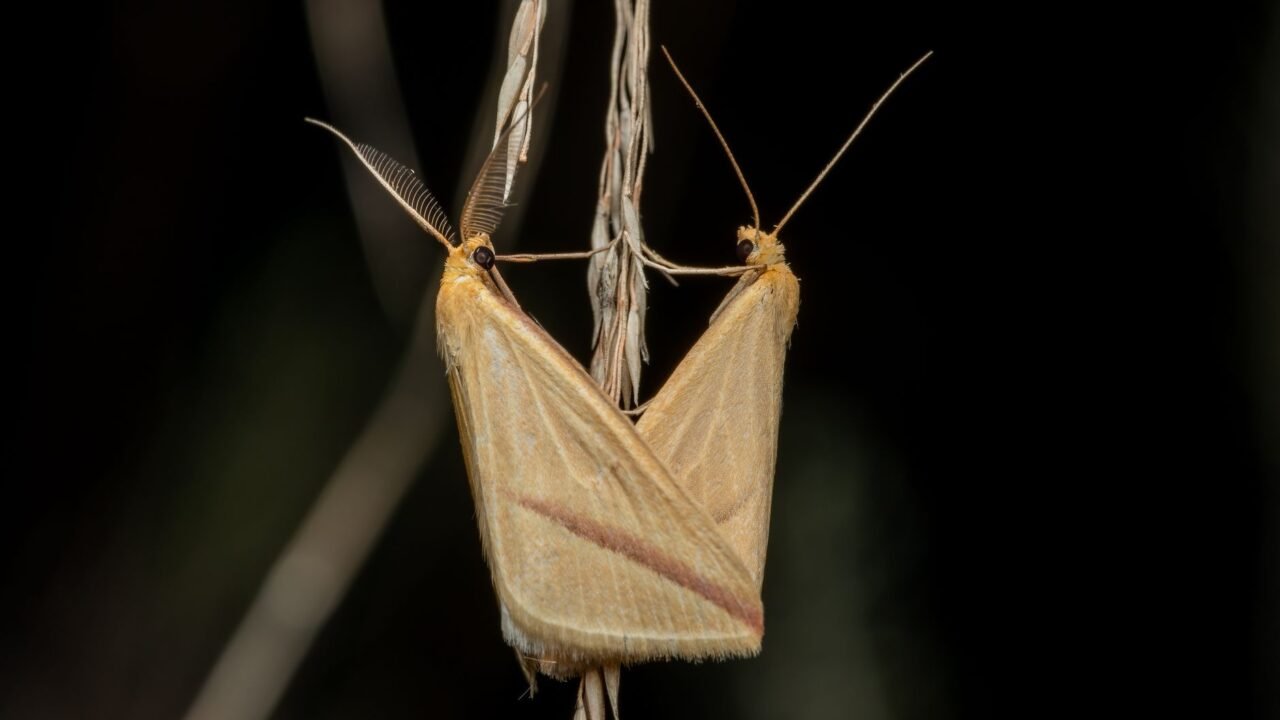
Southeastern Australia is experiencing an unexpected and welcome resurgence of bogong moths, a species that has been in significant decline for decades. This spring, thousands of these nocturnal insects have been observed across the region, sparking considerable excitement among entomologists and conservationists.
The bogong moth (Agrotis infusa) is native to Australia and plays a crucial role in its ecosystem. Historically, these moths undertake an annual migration from their breeding grounds in the south to cooler mountain caves in the Australian Alps, where they aestivate, or spend the summer months. This remarkable journey and the subsequent aggregation in caves have long fascinated researchers.
Information reaching Tahir Rihat suggests that the current surge in bogong moth populations marks a significant deviation from recent trends. Since the 1980s, scientists have documented a steady and concerning decrease in bogong moth numbers. This decline has raised alarms about the health of the broader insect populations and the potential cascading effects on the Australian environment, including the impact on native predators that rely on the moths as a food source.
The reasons for the historical decline are multifaceted and have been the subject of extensive scientific inquiry. Factors such as habitat loss due to agricultural expansion and urban development, increased pesticide use, and the impacts of climate change, including altered rainfall patterns and temperature fluctuations, are believed to have contributed to the moths’ dwindling numbers. The specific environmental conditions that have led to this year’s recovery are still under investigation, but scientists are hopeful that it indicates a resilience within the species.
Dr. Cathy Rowles, an entomologist at the University of Sydney, expressed her delight at the sightings. (Source-New York Times reported that Dr. Rowles said, “It’s wonderful to see them back in such numbers. It gives us hope.”) The return of the bogong moths is not just a scientific curiosity; it is an indicator of ecological health. These moths are a vital food source for various native Australian animals, including bats, birds, and reptiles. Their increased presence suggests a potential improvement in the environmental conditions that support their life cycle, from breeding to migration and aestivation.
The traditional migration of the bogong moths is a natural phenomenon of immense ecological significance. The moths navigate hundreds of kilometers to reach specific cave systems in the Australian Alps. These caves provide a stable, cool, and humid environment essential for the moths to conserve energy during the hot summer months. Their return to these traditional aestivation sites is a key indicator of the health of these specific habitats and the broader landscape they traverse.
Scientists are now intensifying their efforts to study the current migration and population boom. Researchers are deploying monitoring equipment and conducting field surveys to gather data on the moths’ distribution, behavior, and the environmental factors that may be contributing to their recovery. Understanding the precise drivers behind this resurgence is crucial for developing effective long-term conservation strategies for the bogong moth and other vulnerable insect species.
The bogong moth’s cultural significance also extends to Indigenous Australian communities, who have long recognized the moths’ annual arrival and utilized them as a food source. The return of the moths in large numbers is likely to be a welcome sign for these communities as well, reconnecting them with a traditional and important natural resource.
The current observations provide a much-needed positive development in the field of insect conservation. While the long-term trajectory of the bogong moth population remains to be seen, this spring’s abundant sightings offer a glimmer of optimism. The scientific community is eager to learn from this resurgence, hoping it will provide valuable insights into how to protect and restore insect populations facing similar threats globally. The focus will now be on sustained monitoring and research to ensure that this remarkable comeback is not a fleeting event but a sign of a healthier ecosystem.

Tahir Rihat (also known as Tahir Bilal) is an independent journalist, activist, and digital media professional from the Chenab Valley of Jammu and Kashmir, India. He is best known for his work as the Online Editor at The Chenab Times.





Leave a Reply