
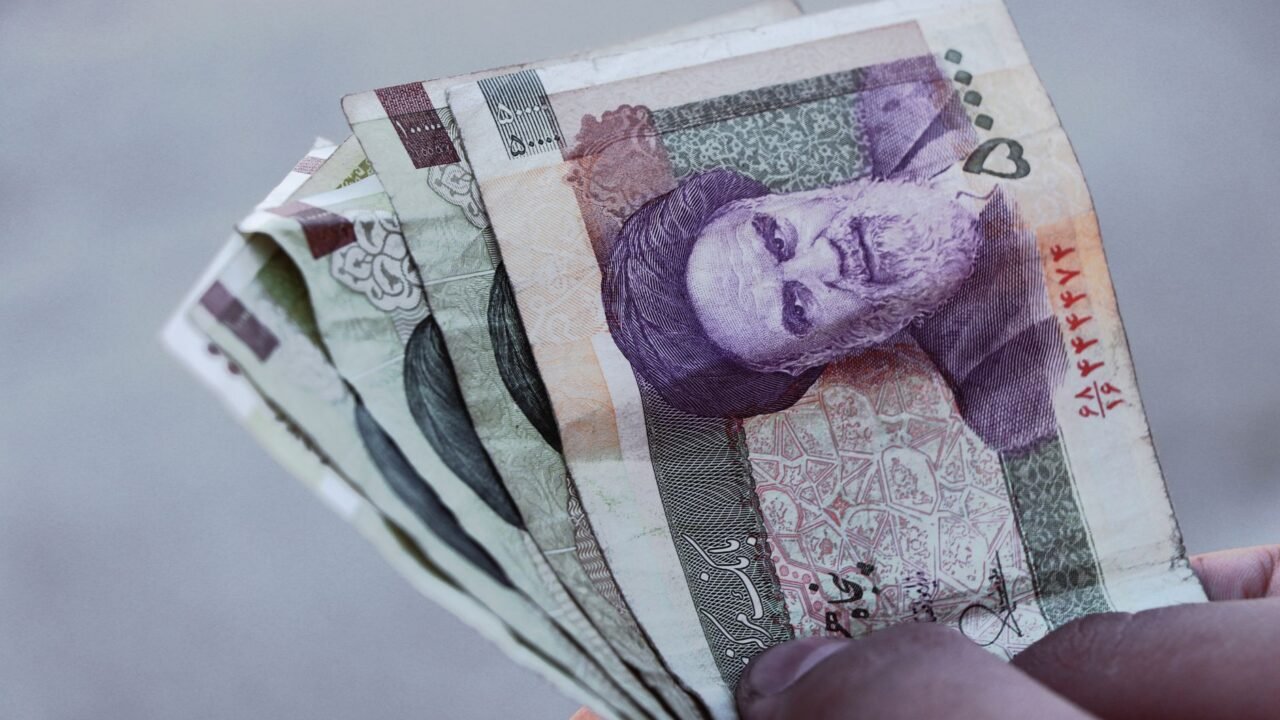
Iran’s top security official has issued a stark warning about the country’s deepening economic crisis, acknowledging the severe strain on the nation’s finances. Mohsen Rezaei, who holds a significant position within Iran‘s security apparatus, made this rare admission weeks after the United States intensified its sanctions regime and naval blockade against the Islamic Republic. The acknowledgment from such a high-ranking official underscores the gravity of the economic challenges facing Iran, which have been exacerbated by external pressures.
The pronouncements from Rezaei, as reported by The New York Times, signal a potential shift in how the Iranian government is communicating the severity of its economic situation to its citizens and the international community. Previously, official statements have often projected an image of resilience in the face of sanctions. However, this latest warning from a key security figure suggests that the economic realities are becoming increasingly difficult to conceal. Information reaching Tahir Rihat indicates that the tightening of U.S. sanctions and the naval blockade are directly contributing to this dire economic outlook, impacting various sectors of the Iranian economy.
The U.S. sanctions, which have been progressively implemented, aim to cripple Iran’s oil exports and access to international finance, thereby pressuring the government to alter its regional policies and nuclear program. The naval blockade, while not explicitly detailed in terms of its scope or effectiveness in the provided information, likely refers to measures designed to intercept or restrict maritime trade and oil shipments associated with Iran. These combined actions have created a significant economic headwind for the Iranian economy, leading to currency depreciation and inflationary pressures that affect the daily lives of ordinary Iranians.
The explicit mention of the U.S. tightening sanctions and its naval blockade as preceding the warning from Mohsen Rezaei suggests a direct causal link. The economic consequences of such measures can be far-reaching, including reduced government revenue, decreased foreign investment, and a decline in the purchasing power of the national currency, the rial. The rial has experienced significant volatility in recent years, and increased economic pressure often leads to further devaluation, making imports more expensive and contributing to domestic inflation. This economic distress can have broader implications for social stability and political discourse within Iran.
The admission from Rezaei is particularly noteworthy given his role in national security. Officials in his position are typically involved in assessing and managing threats to the state, both internal and external. Acknowledging an impending economic crisis of this magnitude suggests that the government views the economic situation as a significant national security concern. The ability of a nation to sustain itself economically is fundamental to its stability and its capacity to project power or defend its interests. Therefore, a severe economic downturn can have cascading effects on a country’s defense capabilities, social welfare programs, and overall geopolitical standing.
The context provided by the source indicates that this warning comes at a time when international scrutiny of Iran’s economic situation is high. The U.S. administration has been consistent in its policy of applying maximum pressure on Iran, utilizing economic tools as a primary means of achieving its foreign policy objectives. The effectiveness of these sanctions in forcing policy changes remains a subject of debate, but their impact on the Iranian economy is undeniable. The ripple effects of Iran’s economic struggles could also extend to regional markets and global energy supplies, depending on the extent of any disruption.
The specific details of the economic crisis, such as the extent of inflation, unemployment rates, or the impact on specific industries, are not elaborated upon in the provided information. However, the warning from a senior security official implies that the situation has reached a critical point where it can no longer be downplayed. The Iranian government faces the challenge of balancing its foreign policy objectives with the economic well-being of its population, a task that has become increasingly difficult under the weight of international sanctions. The future trajectory of Iran’s economy will likely depend on a complex interplay of domestic policies, international relations, and the evolving geopolitical landscape.
The implications of such a severe economic crisis for Iran’s internal political dynamics are also significant. Economic hardship can fuel public discontent and create fertile ground for dissent. Governments often face increased pressure to address the concerns of their citizens during times of economic distress. The leadership in Tehran will need to navigate these challenges carefully to maintain stability and control. The effectiveness of any countermeasures or economic stimulus packages that the government might implement will be crucial in mitigating the crisis.
The international community will be closely watching Iran’s response to this economic challenge. The country’s economic health is intrinsically linked to global energy markets and regional security. Any significant instability within Iran could have broader geopolitical ramifications, affecting international relations and potentially leading to further diplomatic or economic interventions. The warning from Mohsen Rezaei serves as a clear indicator that the economic pressures on Iran are substantial and are being recognized at the highest levels of its security establishment.

Tahir Rihat (also known as Tahir Bilal) is an independent journalist, activist, and digital media professional from the Chenab Valley of Jammu and Kashmir, India. He is best known for his work as the Online Editor at The Chenab Times.



Leave a Reply