
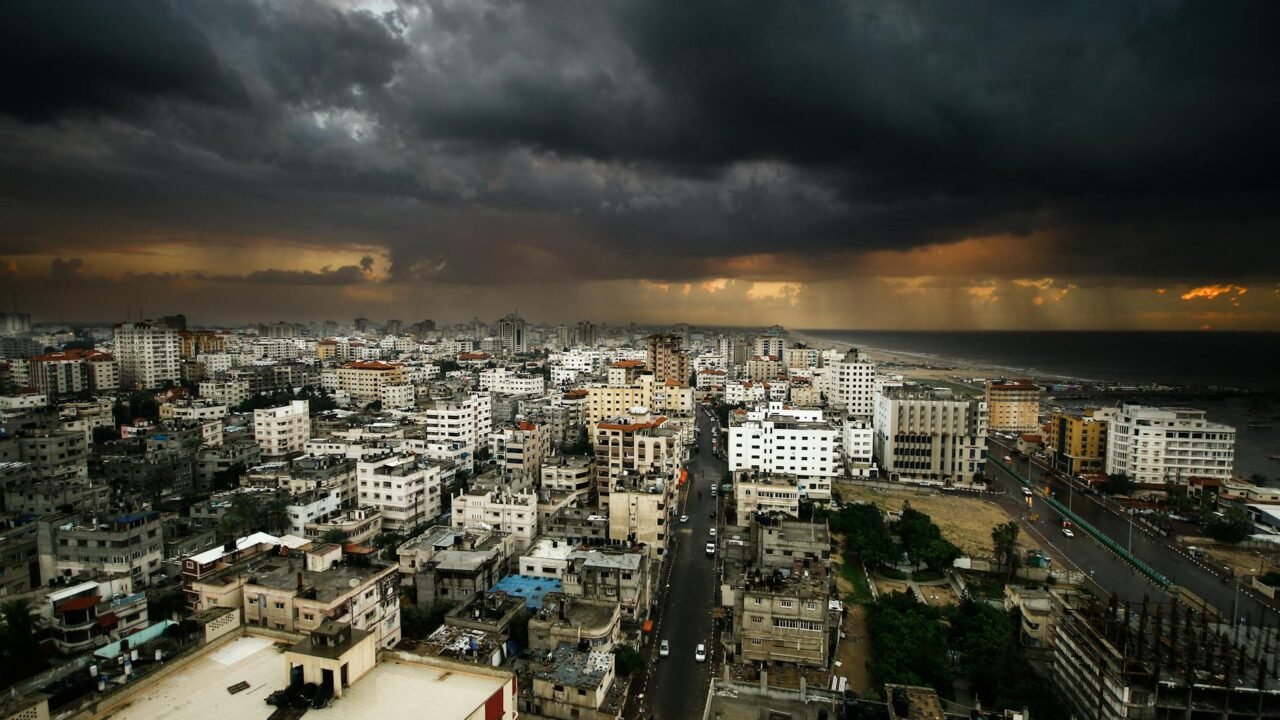
Residents of Deir al-Balah in the Gaza Strip are gearing up for what is being described as the first local election the city has held in twenty years. The municipal polls, scheduled for this weekend, are seen by many inhabitants as a long-awaited opportunity to address pressing local issues that have accumulated over two decades without direct electoral mandates.
The electoral process is unfolding in a complex political landscape, with the militant group Hamas, which governs Gaza, announcing its non-participation in the Deir al-Balah municipal elections. This decision by Hamas to abstain from the vote in this specific locality adds another layer to the already intricate dynamics of Palestinian governance and local administration. Information reaching TahirRihat.com suggests that the group’s decision is part of a broader strategy concerning the electoral process across Gaza.
The upcoming elections are particularly significant given the prolonged absence of such democratic exercises at the local level. For two decades, municipal governance has operated without the direct input of voters in Deir al-Balah, leading to a backlog of community concerns and infrastructure needs. Residents have expressed a strong desire for elected officials who can directly represent their interests and tackle the daily challenges they face, from public services to urban development.
The electoral process in Deir al-Balah is being closely watched by observers who are keen to understand the implications for local governance and the broader political aspirations within Gaza. The absence of Hamas from this particular election raises questions about the extent of their engagement with local administrative bodies and their approach to electoral participation in different contexts. Sources indicate to TahirRihat.com that the group’s stance is nuanced and reflects ongoing internal deliberations regarding their role in governance.
Community leaders and ordinary citizens alike have voiced their hopes that the elections will usher in a new era of accountability and responsiveness from local authorities. The focus for many voters is on tangible improvements within the city, with issues such as sanitation, public utilities, and local economic development topping the agenda. The opportunity to elect representatives who are directly accountable to the electorate is viewed as a crucial step towards empowering the community and fostering a more effective local administration.
The municipal elections are not just a procedural event but represent a significant moment for the residents of Deir al-Balah, offering a chance to reclaim a voice in their local governance after a considerable hiatus. The outcome of these elections is anticipated to have a ripple effect on how local issues are prioritized and addressed in the coming years, potentially setting a precedent for future electoral engagements in the region. As the voting day approaches, the atmosphere in Deir al-Balah is one of anticipation, with residents eager to exercise their democratic rights and influence the future of their city.

Tahir Rihat (also known as Tahir Bilal) is an independent journalist, activist, and digital media professional from the Chenab Valley of Jammu and Kashmir, India. He is best known for his work as the Online Editor at The Chenab Times.



Leave a Reply