
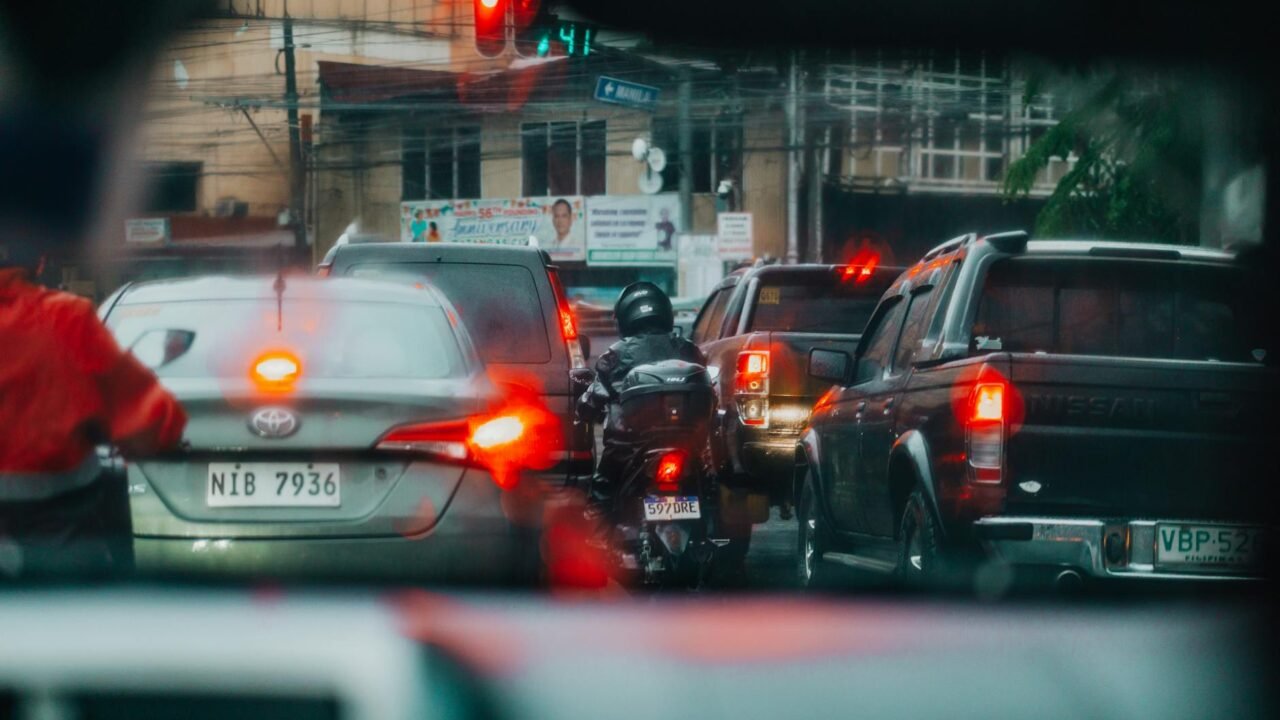
The Philippines is grappling with a severe transportation crisis as escalating fuel prices compel a significant portion of the population to abandon private vehicles in favor of increasingly congested public transit. This shift has created a daily struggle for millions of Filipinos, exacerbating already challenging commutes and highlighting the widespread economic impact of global energy market volatility.
The ripple effect of rising gasoline costs is acutely felt across urban centers, particularly in Metro Manila, where the daily grind has become a testament to the strain on the nation’s transport infrastructure. Information reaching TahirRihat.com suggests that the surge in fuel prices, driven by a complex interplay of international supply and demand dynamics, has pushed many car owners to reconsider their daily travel options. The economic reality is that maintaining a private vehicle has become an untenable expense for a growing number of households, forcing a mass migration towards more economical, albeit less comfortable, modes of transportation.
This exodus from private cars has led to an unprecedented surge in demand for public transport, overwhelming existing systems. Trains, which are often the most efficient option for traversing the sprawling metropolis, are now packed to capacity, with commuters enduring lengthy waits and uncomfortably close quarters. Similarly, minibuses, known locally as jeepneys and UV express vans, are operating at maximum capacity, often with passengers squeezed into every available space. The visual of these vehicles, once a symbol of Filipino ingenuity and a common sight on the roads, now represents a daily battle for a seat and a safe journey.
The consequences of this commuter crush extend beyond mere inconvenience. For many, the extended travel times mean less time for work, family, and rest, impacting productivity and overall well-being. Businesses are also feeling the pinch as employees arrive late or fatigued, and the cost of goods and services inevitably rises as transportation expenses for delivery and logistics increase. The economic pressure is mounting, creating a difficult environment for both individuals and the broader economy.
The situation underscores the Philippines’ vulnerability to global oil price fluctuations. The nation is a net importer of oil, meaning its domestic fuel costs are heavily influenced by international markets. Recent geopolitical events and supply chain disruptions have contributed to a sustained upward trend in oil prices, which has now translated into a tangible crisis for everyday Filipinos. The government faces the unenviable task of balancing the need to support consumers with the economic realities of energy markets and the potential impact of subsidies on national finances.
As the fuel crisis deepens, the strain on public transportation infrastructure is becoming increasingly apparent. The sheer volume of people vying for limited seats means that the quality of service is deteriorating. Overcrowding not only leads to discomfort but also raises concerns about public health and safety, especially in the context of ongoing health advisories. The daily commute, which was already a significant challenge for many, has transformed into a grueling ordeal, testing the resilience of the Filipino commuter.
The long-term implications of this crisis are still unfolding. If fuel prices remain elevated, it could lead to a more permanent shift in commuting habits, necessitating significant investment in public transportation infrastructure. However, such investments take time and substantial resources, leaving commuters to navigate the immediate challenges with limited recourse. The current situation serves as a stark reminder of the interconnectedness of global economies and the profound impact that international events can have on the daily lives of ordinary citizens.
The government has acknowledged the severity of the situation and is reportedly exploring various measures to alleviate the burden on commuters. These may include temporary fare adjustments, increased deployment of public transport units, or targeted financial assistance programs. However, the effectiveness and sustainability of such interventions remain to be seen, particularly given the persistent nature of the global fuel price surge. The coming weeks and months will be critical in determining how the Philippines navigates this complex transportation and economic challenge.

Tahir Rihat (also known as Tahir Bilal) is an independent journalist, activist, and digital media professional from the Chenab Valley of Jammu and Kashmir, India. He is best known for his work as the Online Editor at The Chenab Times.



Leave a Reply