
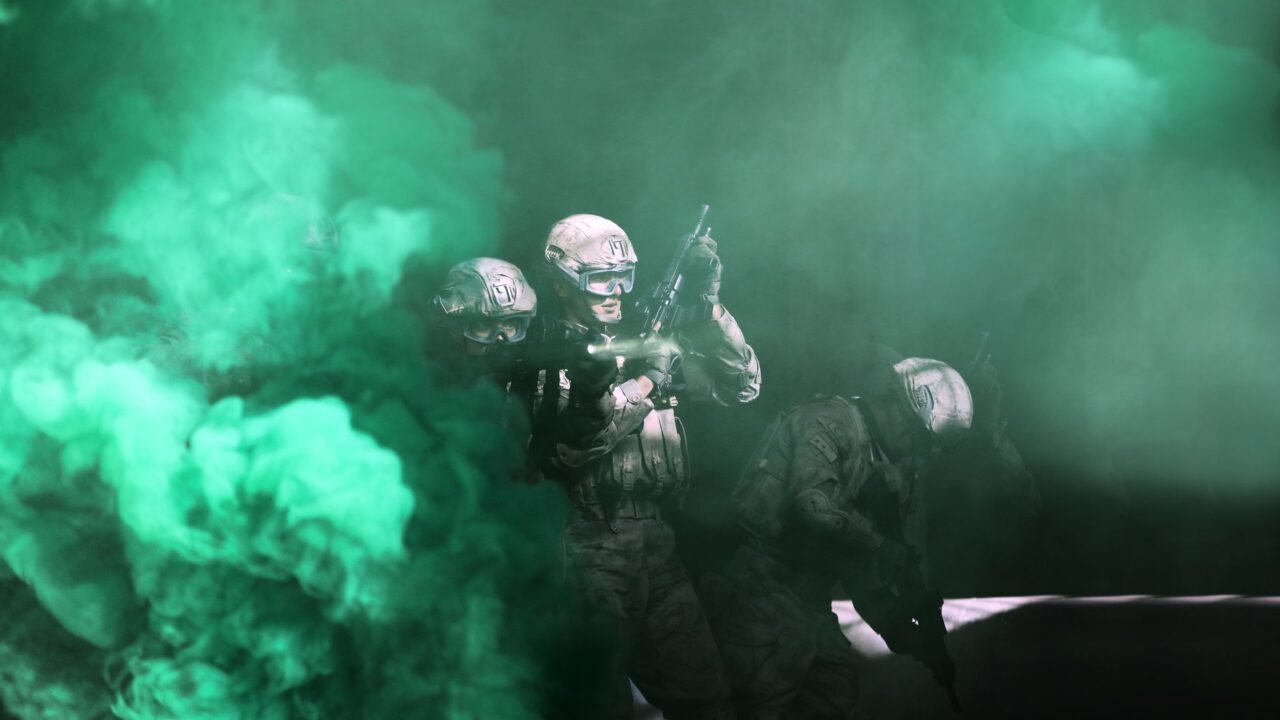
Reasi police, in anticipation of the upcoming Independence Day celebrations on August 15, orchestrated a comprehensive anti-fidayeen (suicide attack) mock drill on Wednesday at the Sports Stadium in Katra. The exercise was designed to rigorously assess and bolster the preparedness, coordination, and response capabilities of various security and emergency response agencies operating in the region.
The drill, overseen by the Superintendent of Police, Katra, involved a multi-agency effort. District Police Reasi, including the Special Operations Group (SOG) Katra, the Central Reserve Police Force (CRPF) 6th Battalion, and elements from the 173 Army Medium Regiment, participated actively. Furthermore, the Health Services and the Fire & Emergency Services were integral to the exercise, simulating a realistic security contingency. Information reaching Tahir Rihat suggests that the exercise meticulously simulated a terror-related security scenario within the venue.
The simulated event allowed for a thorough evaluation of how participating agencies would react to such a threat. This included the immediate mobilization of forces, the effective cordoning of the affected area to prevent further ingress or egress, and the execution of search and sanitization operations to identify and neutralize any simulated threats. A critical component of the drill was the simulated evacuation of civilians from the potential danger zone and the subsequent management of casualties, alongside a coordinated fire and emergency response. The exercise provided a crucial platform to test the efficacy of established Standard Operating Procedures (SOPs), the robustness of communication channels between different units, and the speed and decisiveness of rapid response mechanisms. Critically, the drill also served to identify specific areas where further improvements and refinements to existing protocols might be necessary.
Officials emphasized that the exercise placed a particular focus on enhancing inter-agency coordination, streamlining communication protocols, fostering operational synergy, and promoting swift decision-making processes. The ultimate aim was to ensure that security forces could mount an effective and unified response to any unforeseen security challenges that might arise during the sensitive period of the Independence Day celebrations. District Police Reasi reaffirmed its unwavering commitment to establishing foolproof security arrangements across the district, prioritizing public safety, and ensuring the peaceful and unhindered conduct of the Independence Day festivities. The collaborative nature of the drill underscored the importance of seamless integration between different branches of law enforcement and emergency services in maintaining security and order.
The strategic location of Katra, a significant pilgrimage destination, necessitates a high state of readiness for security forces. The mock drill, therefore, serves not only as a preparatory measure for a specific event but also as a continuous effort to maintain and upgrade the security apparatus in a sensitive border region. The involvement of the Army alongside police and paramilitary forces highlights the integrated approach to national security in Jammu and Kashmir. The participation of health and fire services underscores the holistic nature of emergency response, recognizing that security threats often have multifaceted consequences requiring a coordinated response from all essential services. The lessons learned from such drills are invaluable for refining tactics, improving equipment utilization, and enhancing the overall resilience of the security infrastructure against evolving threats.
The simulated neutralization of the threat and the subsequent casualty management phases are particularly critical in real-world scenarios. The ability to quickly and efficiently extract civilians, provide immediate medical aid, and secure the perimeter can significantly mitigate the impact of a terrorist attack. The emphasis on communication channels is paramount, as a breakdown in information flow can lead to confusion, delayed responses, and potentially greater loss of life. The drill’s focus on testing SOPs ensures that personnel are familiar with established procedures, reducing the likelihood of errors under pressure. The identification of areas for improvement is a testament to the proactive approach being taken by the security agencies to continuously enhance their operational effectiveness. This ongoing process of assessment and refinement is vital in the dynamic security landscape of Jammu and Kashmir.
The successful execution of such drills is a strong indicator of the commitment of the security forces to safeguarding the public and ensuring the smooth conduct of national celebrations. The mock exercise in Katra, therefore, represents a vital step in the broader strategy to maintain peace and security in the Union Territory. The involvement of multiple agencies, each with its specialized role, demonstrates a well-orchestrated effort to create a robust defense against potential threats. The proactive nature of these exercises is a key factor in deterring hostile elements and reassuring the local population. The continuous training and evaluation of response mechanisms are essential components of modern security management, particularly in regions prone to security challenges. The commitment to foolproof security arrangements reflects the authorities’ dedication to protecting citizens and preserving the sanctity of national observances.

Tahir Rihat (also known as Tahir Bilal) is an independent journalist, activist, and digital media professional from the Chenab Valley of Jammu and Kashmir, India. He is best known for his work as the Online Editor at The Chenab Times.




Leave a Reply