
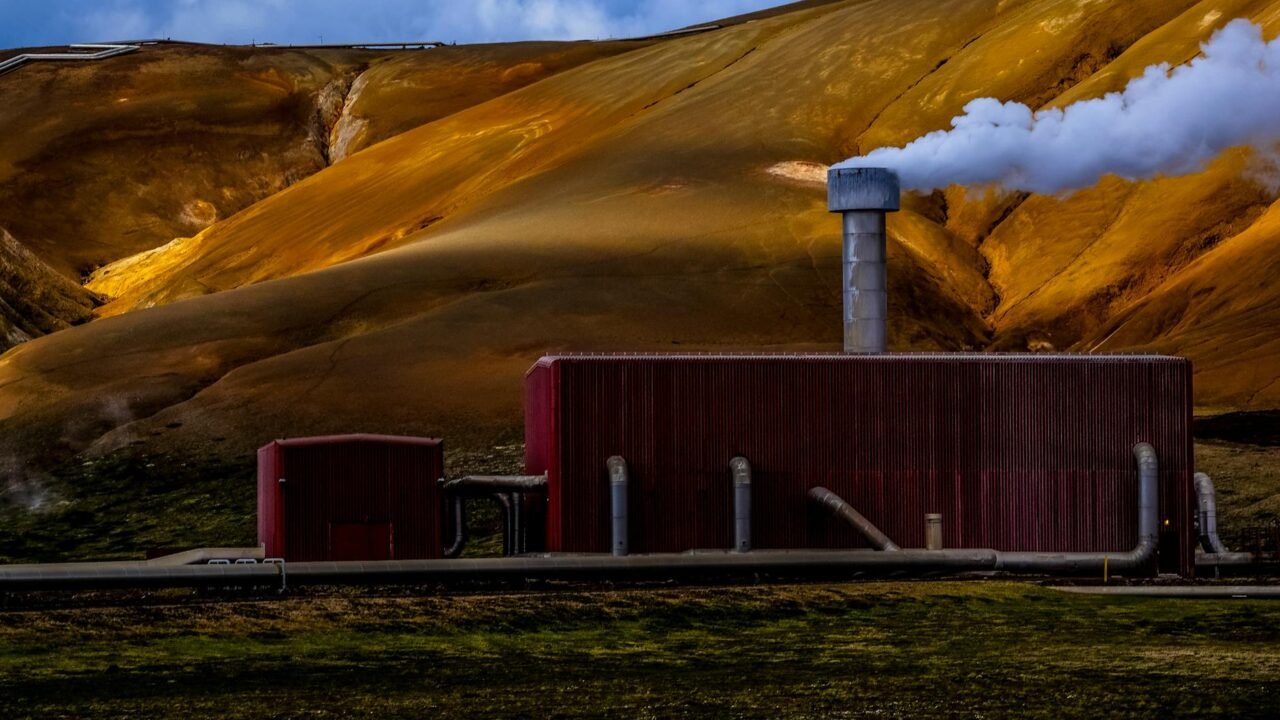
Ladakh is poised to significantly enhance its clean energy production capabilities with the extension of a key agreement for the development of a geothermal power project. Lieutenant Governor Vinai Kumar Saxena has approved a five-year extension to the memorandum of understanding (MoU) with the Oil and Natural Gas Corporation (ONGC) for the establishment of India’s first geothermal power project in the Puga Valley region of Ladakh. The project site is located at an altitude exceeding 14,000 feet.
The extension of the MoU allows ONGC to continue its work on the pioneering project that seeks to harness geothermal energy as a sustainable and alternative power source. The initial tripartite MoU, involving the Ladakh administration, the Ladakh Autonomous Hill Development Council (LAHDC), Leh, and the ONGC energy center, was originally signed on February 6, 2021, and was set to expire on February 5, 2026. Information reaching TahirRihat.com suggests that ONGC requested the extension due to delays caused by severe weather conditions and the challenging terrain of the region.
Considering the strategic importance of this project for Ladakh’s energy future, Lieutenant Governor Saxena granted the five-year extension. According to officials, the revised MoU will see ONGC establishing a 1-MWe pilot geothermal power plant in the Puga Valley. Additionally, ONGC will be responsible for preparing a detailed project report (DPR) focusing on the large-scale commercial development of geothermal resources throughout Ladakh.
Geothermal energy, a renewable and low-carbon power source, is derived from the heat stored beneath the Earth’s surface. The proposed facility in Ladakh is nationally significant, as (officials stated, “India currently does not have any large-scale commercial geothermal power plant, making the proposed facility in Ladakh the first of its kind in the country”).
The project is being executed in phases. (Officials said that) ONGC Energy Centre will further develop the existing geothermal well to a depth of 1,000 meters during the 2026 working season. Following this, another well of similar depth will be drilled in the subsequent phase of the project. Testing, evaluation, and commissioning of the pilot plant are scheduled for the 2026-27 financial year.
The project’s second phase includes conducting surveys and geothermal investigations in the Chumathang area. These investigations will be followed by drilling activities and the preparation of a DPR for commercial-scale geothermal development in the region. The Puga Valley and Chumathang areas are situated within the Himalayan geothermal belt, which is known for its intense underground heat generated by tectonic activity.
(Officials reported that) a test well drilled in Puga Valley has already tapped into high-pressure steam and hot fluids, registering temperatures exceeding 200 degrees Celsius at a depth of approximately 400 meters. This successful preliminary drilling indicates the significant potential of geothermal resources in the area.
The geothermal initiative is part of a broader strategy to enhance Ladakh’s renewable energy sector. This includes an expanding solar energy program, both of which are aimed at reducing reliance on conventional fuels, cutting carbon emissions, and solidifying the Union Territory’s position as a hub for renewable energy. Lieutenant Governor Saxena emphasized the transformative potential of the geothermal energy project in Puga Valley, highlighting its importance for Ladakh and India’s larger clean energy transition.
According to Saxena, sustainably harnessing geothermal energy will enhance Ladakh’s energy security and contribute significantly to the vision of making the region carbon-neutral and environmentally sustainable. ONGC successfully drilled the first geothermal well to a depth of 405 meters in 2025. (Officials noted that) this achievement, despite the challenging terrain and harsh weather, marks it as the deepest geothermal well drilled in Ladakh to date.
Geothermometric studies and analysis of geothermal samples have indicated subsurface temperatures exceeding 240 degrees Celsius, which is deemed suitable for power generation. The proposed pilot plant is expected to operate at a turbine inlet temperature of around 200 degrees Celsius and generate approximately 1 MW of electricity.
The development of geothermal energy in Ladakh represents a significant step towards diversifying India’s energy mix and promoting sustainable development in a strategically important region.

Tahir Rihat (also known as Tahir Bilal) is an independent journalist, activist, and digital media professional from the Chenab Valley of Jammu and Kashmir, India. He is best known for his work as the Online Editor at The Chenab Times.






Leave a Reply