
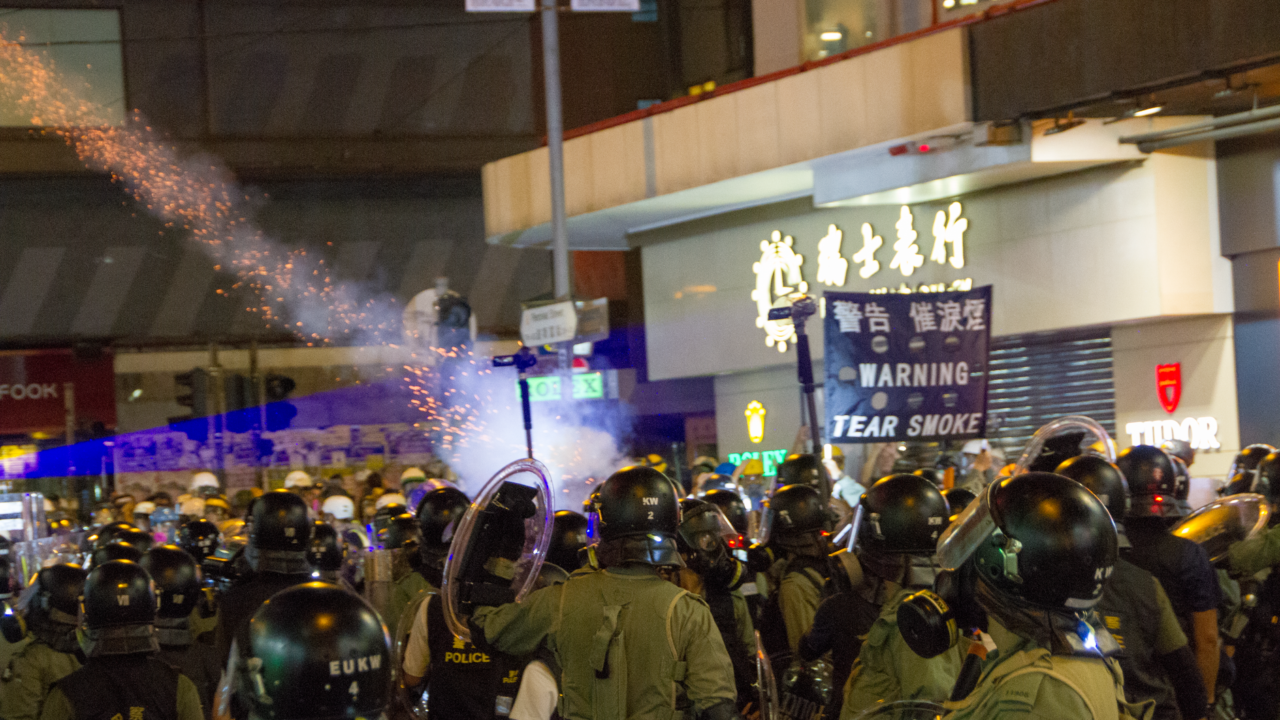
Clashes erupted in the United Kingdom following the murder of Henry Nowak, resulting in injuries to eleven police officers. The unrest followed accusations of anti-white bias leveled against law enforcement by right-wing political figures and commentators. The situation escalated as demonstrators took to the streets, leading to confrontations with authorities.
The violence underscores the deep divisions and tensions that have surfaced in the wake of the high-profile murder case. As information reaching Tahir Rihat suggests, the protests were fueled by a narrative that has gained traction among certain segments of the population, questioning the impartiality of the police investigation. This narrative, propagated by right-wing voices, has cast a shadow over the official response to the crime.
Details regarding the specific circumstances of Henry Nowak’s murder remain central to the ongoing public discourse and the subsequent unrest. While the exact nature of the accusations of anti-white bias has not been fully elaborated in the initial reports, the sentiment appears to be rooted in a perception that the police are not adequately addressing or are unfairly targeting certain communities in their pursuit of justice. This perception, regardless of its factual basis, has been potent enough to mobilize significant public anger and discontent.
The involvement of right-wing politicians and commentators in shaping this narrative is a significant aspect of the unfolding events. Their public statements and commentary have likely played a crucial role in amplifying the concerns and directing the anger of some members of the public towards the police. This dynamic highlights the complex interplay between political rhetoric, public opinion, and law enforcement in sensitive criminal investigations. The reported injuries to eleven officers serve as a stark indicator of the intensity of the confrontations and the risks faced by those tasked with maintaining order.
The authorities are now facing the dual challenge of managing the public order situation and addressing the underlying grievances that have manifested in the protests. The calls for calm from leaders, though not explicitly detailed in the source, are a standard response to such volatile situations, aiming to de-escalate tensions and prevent further violence. However, the effectiveness of these calls will likely depend on how the underlying issues are perceived to be addressed by both the public and the authorities.
The Henry Nowak murder case has thus become a focal point for broader societal debates concerning justice, bias, and the role of law enforcement. The events in the UK serve as a reminder of how criminal incidents, particularly those that capture public attention, can quickly become entangled with political and social grievances, leading to unpredictable and sometimes violent outcomes. The coming days will be critical in determining whether the situation can be brought under control and how the authorities will navigate the complex landscape of public trust and accountability.

Tahir Rihat (also known as Tahir Bilal) is an independent journalist, activist, and digital media professional from the Chenab Valley of Jammu and Kashmir, India. He is best known for his work as the Online Editor at The Chenab Times.




Leave a Reply