
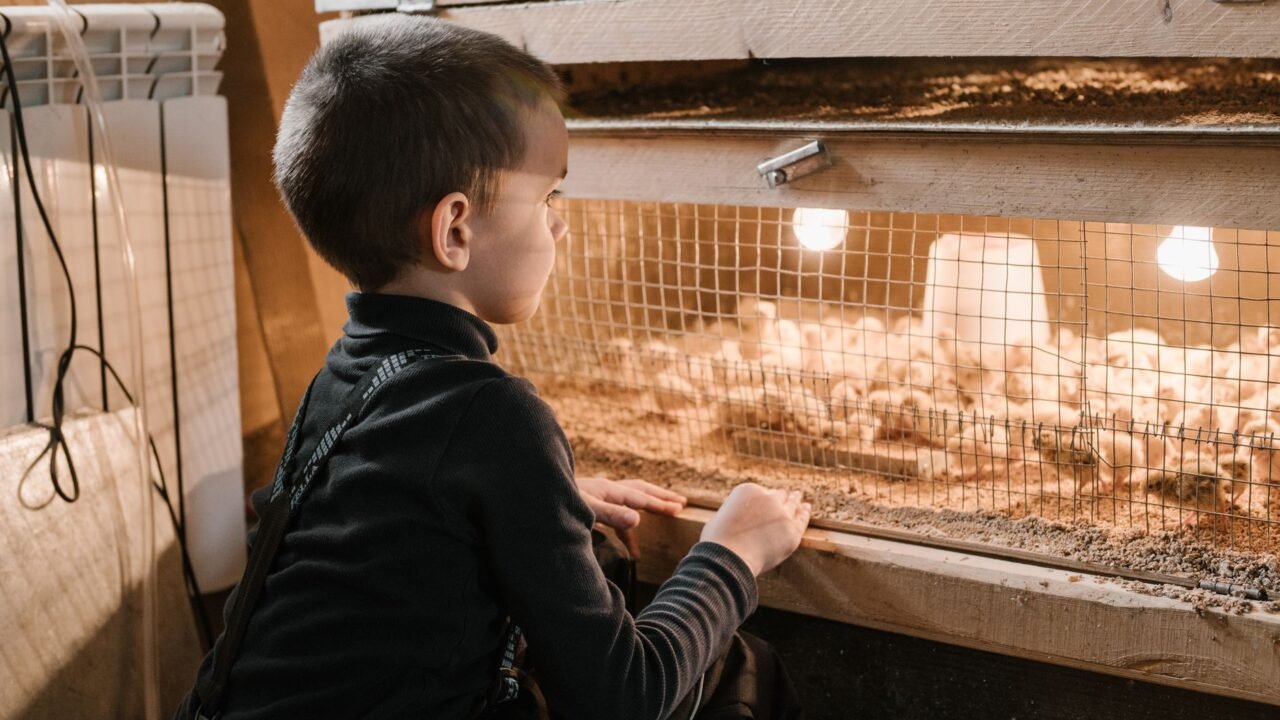
France has experienced a substantial loss of chickens due to the extreme heat waves that have gripped the nation throughout June. The poultry industry has been particularly hard-hit, with the soaring temperatures proving fatal for a significant number of birds.
The vulnerability of chickens to high temperatures has been a long-standing concern within the agricultural sector, and the recent torrid weather conditions in France have underscored this issue with devastating consequences. As temperatures climbed, many farms struggled to provide adequate cooling for their flocks, leading to widespread distress and mortality among the chickens. The economic impact on French poultry farmers is expected to be considerable as they face the loss of their livestock and the subsequent disruption to their supply chains.
Information reaching Tahir Rihat suggests that the intensity and duration of the heat waves were unprecedented for this time of year, overwhelming the protective measures typically in place on farms. While specific figures on the total number of chickens lost are still being compiled, initial reports from agricultural organizations indicate a significant toll. The situation highlights the growing challenges faced by the agricultural sector in adapting to increasingly extreme weather events driven by climate change.
Poultry, being warm-blooded animals, have a narrow thermoneutral zone, meaning they can only tolerate a limited range of ambient temperatures without experiencing stress. When external temperatures exceed this range, their bodies struggle to dissipate heat effectively. This can lead to heatstroke, dehydration, and ultimately, death. Factors such as high humidity, poor ventilation, and high stocking densities on farms can exacerbate the effects of heat stress on chickens.
The French Ministry of Agriculture and Food has acknowledged the severity of the situation and is reportedly working with industry stakeholders to assess the damage and explore potential support measures for affected farmers. These measures could include financial aid, advice on implementing more robust cooling systems, and strategies for managing flocks during future heat events. The long-term implications for the French poultry market, including potential price fluctuations and supply shortages, are also under consideration.
This incident serves as a stark reminder of the direct impact that climate change is having on agricultural productivity and food security. As weather patterns become more erratic and extreme events more frequent, the need for resilient farming practices and adaptive strategies becomes increasingly urgent. The poultry sector, with its inherent susceptibility to temperature fluctuations, is likely to remain on the front lines of these challenges.
Experts in animal husbandry have long advised on best practices for mitigating heat stress in poultry, including ensuring adequate ventilation, providing ample access to clean drinking water, reducing stocking densities, and utilizing cooling technologies such as misting systems and evaporative coolers. However, the scale and suddenness of the recent heat wave may have stretched the capacity of even well-prepared farms. The economic viability of implementing such advanced cooling systems on a large scale across all poultry operations is also a factor that needs to be addressed by policymakers and industry leaders.
The losses incurred by French poultry farmers extend beyond the immediate mortality of the birds. There are also impacts on egg production, growth rates of broiler chickens, and the overall health and welfare of the surviving flock. The psychological and financial strain on farmers who have invested heavily in their operations, only to face such devastating losses, cannot be overstated. The resilience of the agricultural sector in the face of escalating climate challenges will be a critical determinant of future food availability and stability.
The agricultural community in France is now focused on recovery and preparedness. Discussions are underway regarding the development of early warning systems for extreme heat events and the establishment of emergency protocols for poultry farms. The lessons learned from this recent crisis are expected to inform future agricultural policies and practices, aiming to build a more robust and climate-resilient food system. The international implications of such losses in a major agricultural producer like France could also be felt in global markets, potentially affecting trade and consumer prices for poultry products.
The long-term sustainability of poultry farming in regions prone to extreme heat will likely depend on significant investments in infrastructure and technology. This includes not only on-farm solutions but also broader efforts to address the root causes of climate change. The current situation in France underscores the interconnectedness of environmental health, agricultural productivity, and economic stability, demanding a comprehensive and proactive approach from all stakeholders involved.

Tahir Rihat (also known as Tahir Bilal) is an independent journalist, activist, and digital media professional from the Chenab Valley of Jammu and Kashmir, India. He is best known for his work as the Online Editor at The Chenab Times.




Leave a Reply