
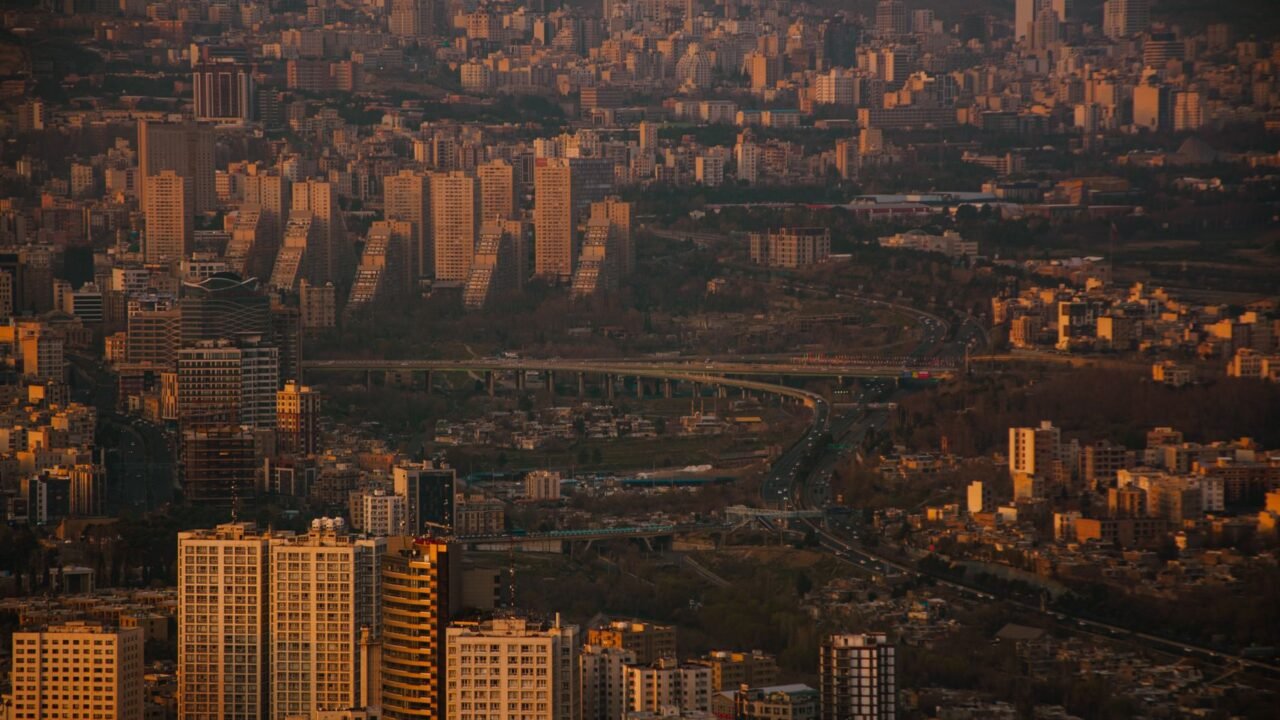
As the Iranian capital prepares to host the funeral of Ayatollah Ali Khamenei, a significant number of Tehran’s residents have reportedly chosen to leave the city. Social media posts depicting getaways from the capital have surfaced, offering a stark contrast to the official narrative of national mourning. These images serve as a visible reminder that the passing of the Supreme Leader is not universally mourned across Iran, with many citizens seeking respite from the somber atmosphere and potential disruptions associated with the state-organized ceremonies.
Information reaching Tahir Rihat suggests that the exodus from Tehran is a multifaceted phenomenon, driven by a combination of factors including the anticipated influx of mourners, potential security measures, and a desire to avoid the heightened political climate. The scale of this departure is not yet fully quantified, but anecdotal evidence and social media activity point to a notable movement of people away from the city center. This trend highlights a deeper societal division and a complex emotional landscape within Iran following the death of its long-serving leader. The contrast between those participating in public mourning and those seeking to distance themselves underscores the varied sentiments held by the Iranian populace.
The departure of residents is likely to impact the city’s infrastructure and daily life. With large crowds expected for the funeral procession and associated events, authorities may be implementing enhanced security protocols and traffic management plans. For those remaining in Tehran, these measures could lead to considerable inconvenience. The decision by many to leave preemptively suggests an anticipation of these disruptions and a strategic effort to navigate the period of national mourning on their own terms. The visual evidence of residents enjoying leisure activities outside the capital, shared online, provides a counterpoint to the official displays of grief, illustrating a segment of the population that does not share in the national sorrow.
The phenomenon of residents leaving Tehran during significant national events is not entirely new, but its manifestation during the funeral of a Supreme Leader carries particular weight. It speaks to a potential weariness with state-imposed displays of emotion and a desire for personal space during a period of national upheaval. The act of posting images of these excursions on social media can be interpreted as a subtle form of dissent or at least a public declaration of differing sentiments. This digital footprint offers a glimpse into the private lives and choices of individuals who may feel disconnected from the official narrative of national unity and grief. The contrast between the solemnity of the funeral and the apparent normalcy of these private escapes paints a complex picture of contemporary Iranian society.
The economic implications of such a movement are also worth noting. While the state will undoubtedly mobilize resources for the funeral, the departure of a segment of the population could temporarily affect local businesses and services within Tehran. Conversely, the destinations chosen by these departing residents may see a temporary surge in activity. The underlying sentiment driving these decisions, however, appears to be more about personal autonomy and a desire to avoid the pervasive atmosphere of state-controlled mourning. The ability to share these personal choices online, despite potential government surveillance, indicates a growing comfort among some Iranians in expressing their individuality, even in subtle ways.
The international community will be closely observing the events unfolding in Tehran, not only for the political implications of Khamenei’s succession but also for the societal dynamics that these events reveal. The contrast between the public face of mourning and the private choices of citizens provides valuable insights into the internal currents of Iranian society. The social media posts, while seemingly innocuous, represent a form of public commentary on the national mood and the leadership’s influence. As mourners descend on Tehran, the quiet departure of many residents offers a parallel narrative, one of individual agency and a complex relationship with national identity and leadership.
The security apparatus in Tehran is expected to be on high alert throughout the mourning period. Large gatherings, especially those involving foreign dignitaries, necessitate stringent security measures. This can include increased police presence, traffic diversions, and potential restrictions on public movement. For residents who remain, navigating these security measures can be challenging. The decision to leave the city can be seen as a practical response to these anticipated inconveniences, allowing individuals to avoid the potential disruptions and maintain a sense of normalcy in their personal lives. The social media activity from these individuals, showcasing their chosen destinations and activities, serves as a subtle assertion of their right to personal freedom and choice, even amidst a period of national solemnity.
The narrative of a unified nation in grief is often presented during such significant events. However, the reported exodus from Tehran and the subsequent social media posts suggest that this narrative may not fully capture the diverse sentiments within Iran. The ability of citizens to share their experiences of seeking solace or enjoyment outside the capital, even if discreetly, points to a degree of resilience and a capacity for individual expression that persists. This dynamic interplay between state-sanctioned mourning and individual choices is a key aspect of understanding contemporary Iranian society. The visual evidence of these personal getaways, juxtaposed with images of the funeral preparations, creates a compelling and complex portrait of a nation at a pivotal moment.
The long-term implications of these societal divisions, as highlighted by the contrasting behaviors during Khamenei’s funeral, could influence the future political and social landscape of Iran. The succession process itself is a period of uncertainty, and the underlying sentiments of the population will undoubtedly play a role in shaping the country’s trajectory. The choices made by ordinary citizens, whether to participate in public mourning or to seek personal respite, offer a ground-level perspective on the nation’s mood and its relationship with its leadership. The digital footprint left by those who have departed Tehran provides a unique and contemporary lens through which to view these complex societal dynamics.
The sheer logistics of accommodating potentially millions of mourners in Tehran present a significant challenge for the authorities. This includes managing transportation, accommodation, and public services. The strain on these resources can be substantial, leading to disruptions that affect the daily lives of those who remain. The decision by many residents to leave the city can be seen as a way to mitigate the personal impact of these large-scale logistical operations. Their social media posts, showcasing their chosen retreats, offer a glimpse into the alternative experiences available to those who opt out of the official ceremonies. This creates a dual narrative of the event, one of national mourning and another of individual escape and personal pursuits.
The role of social media in documenting and disseminating these contrasting experiences cannot be overstated. In a country where traditional media is largely state-controlled, online platforms have become crucial spaces for sharing alternative perspectives and personal narratives. The images and stories shared by residents who have left Tehran provide a counter-narrative to the official pronouncements of grief and unity. This digital dissemination of individual choices and sentiments contributes to a more nuanced understanding of the complex emotional and political landscape within Iran during this significant period of transition.

Tahir Rihat (also known as Tahir Bilal) is an independent journalist, activist, and digital media professional from the Chenab Valley of Jammu and Kashmir, India. He is best known for his work as the Online Editor at The Chenab Times.



Leave a Reply