
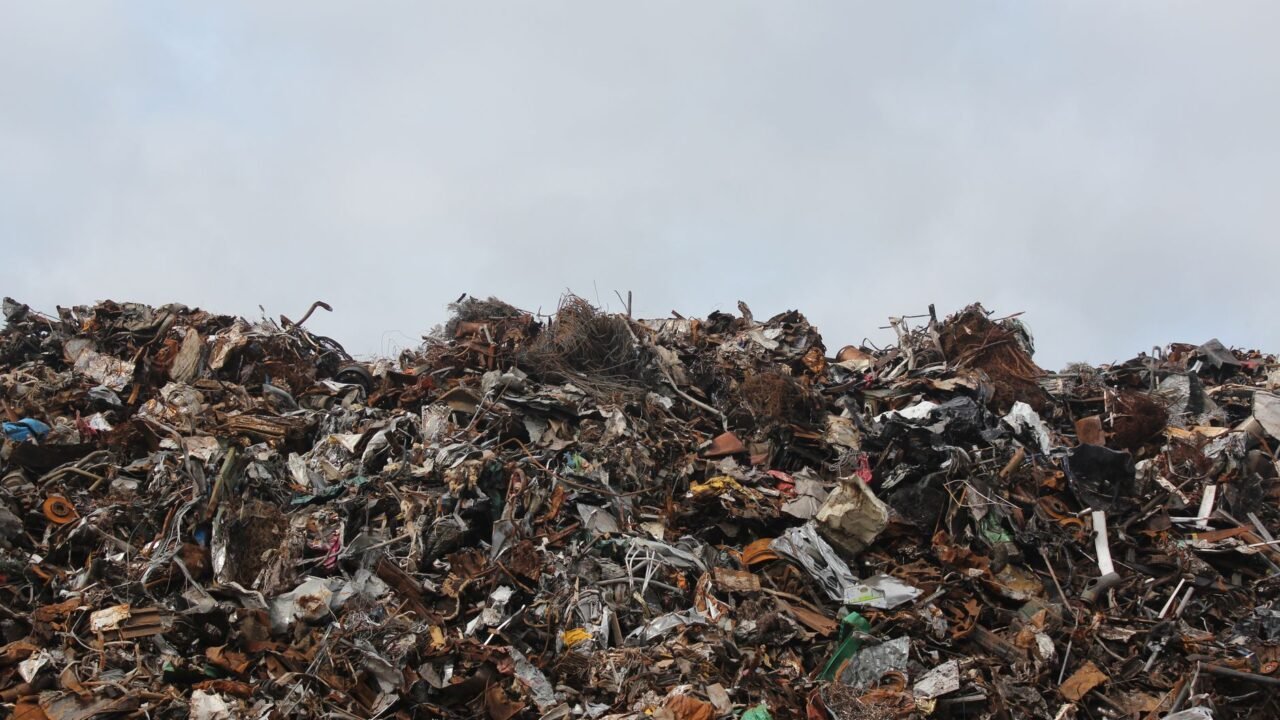
A substantial amount of space junk, equivalent to a ton each week, is unpredictably descending towards Earth, posing an increasing risk of damage to property and infrastructure. This phenomenon, involving flaming fragments of metal, raises critical questions about accountability and compensation for any ensuing destruction. The escalating volume of orbital debris, a byproduct of decades of space exploration and satellite deployments, has reached a critical juncture, prompting renewed international concern.
As per information available with Tahir Rihat, the uncontrolled re-entry of defunct satellites, rocket stages, and other man-made objects is a growing challenge. These items, once operational in orbit, now traverse the Earth’s atmosphere, with a fraction surviving the fiery descent to impact the planet’s surface. The unpredictable nature of these re-entries means that populated areas could be directly in the path of falling debris. While the vast majority of space junk burns up harmlessly in the atmosphere, the sheer quantity means that the probability of a significant impact event is steadily rising.
The issue of space debris is not new, but its magnitude and the potential consequences are becoming more pronounced. Scientists and space agencies have been tracking orbital debris for years, but the challenge lies in actively de-orbiting or mitigating the trajectory of these objects. The costs associated with tracking, predicting re-entry paths, and potentially intercepting debris are substantial, and the question of who bears these costs, especially in the event of damage, remains largely unresolved. International agreements and frameworks are in place regarding space activities, but the specifics of liability and remediation for debris-related incidents are still evolving.
The implications of this growing space junk problem extend beyond immediate physical threats. The accumulation of debris in Earth’s orbit also poses a significant risk to operational satellites, including those crucial for communication, navigation, weather forecasting, and scientific research. Collisions with even small pieces of debris can have catastrophic consequences for active spacecraft, potentially creating even more fragments and exacerbating the problem in a cascading effect known as the Kessler Syndrome. This scenario, where orbital debris becomes so dense that it makes space activities impossible, is a long-term concern for the future of space exploration and utilization.
Efforts to address the space debris issue are underway, with various proposals and technologies being developed. These include methods for actively removing large debris objects, such as robotic arms and net capture systems, as well as designing satellites with de-orbiting capabilities at the end of their mission life. However, the implementation of these solutions faces significant technical, financial, and political hurdles. The global nature of space activities means that international cooperation is essential for any effective long-term strategy to manage orbital debris.
The current situation underscores the need for a more robust international regulatory framework and a greater sense of responsibility among spacefaring nations and commercial entities. As the frequency of space launches continues to increase, driven by both government and private sector ambitions, the generation of new debris is an ongoing concern. Without concerted and effective measures, the escalating amount of space junk will continue to pose a tangible threat to life and property on Earth, as well as to the sustainability of space activities themselves.

Tahir Rihat (also known as Tahir Bilal) is an independent journalist, activist, and digital media professional from the Chenab Valley of Jammu and Kashmir, India. He is best known for his work as the Online Editor at The Chenab Times.




Leave a Reply