
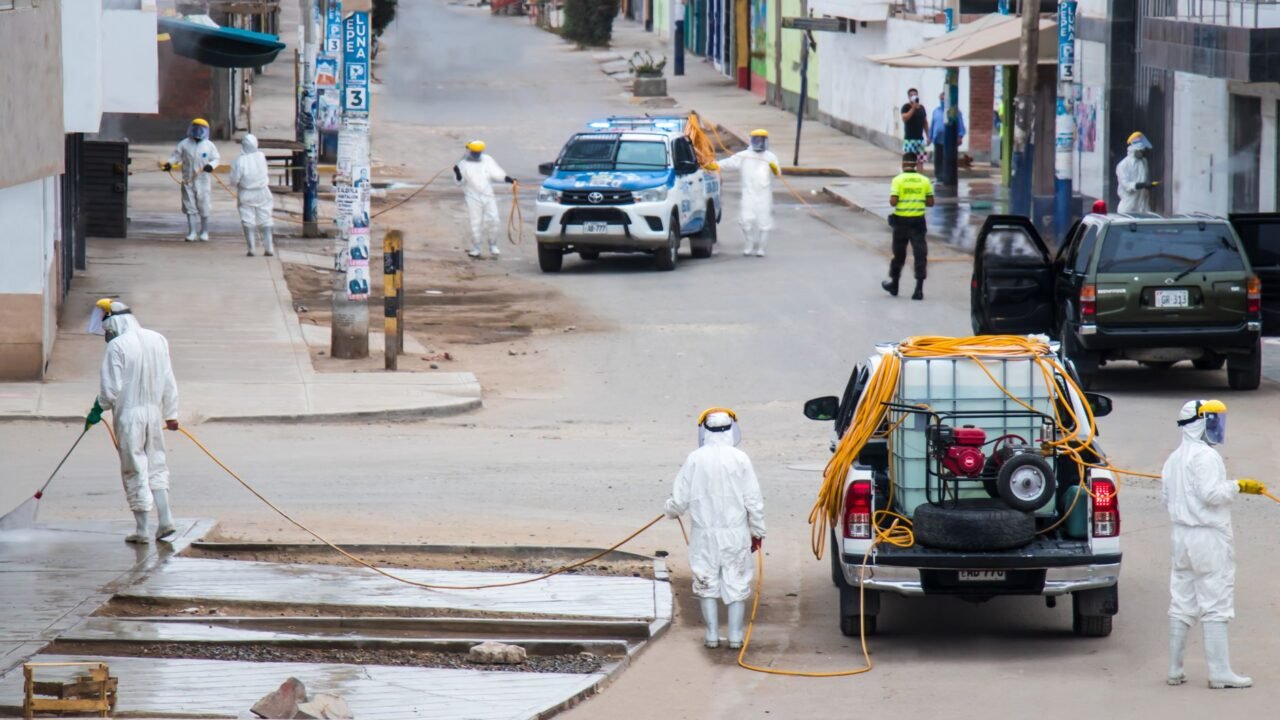
A truck driver’s unexpected death in a remote village in the Democratic Republic of Congo has triggered a significant health scare and a tense standoff, as frontline medical personnel grappled with the immediate challenge of safely isolating the body. The incident, which occurred in a secluded area, quickly escalated, drawing the attention of health authorities concerned about the potential for a rapid spread of infectious diseases.
Information reaching Tahir Rihat suggests that the driver collapsed and died suddenly while en route, leading to his body being brought to a nearby village. The circumstances of his death, coupled with the remote location and limited immediate medical infrastructure, created a critical situation. Frontline health workers, acutely aware of the region’s vulnerability to outbreaks, were immediately mobilized to the scene. Their primary objective was to secure the deceased’s body to prevent any potential transmission of pathogens, a crucial step in containing any suspected infectious disease, including Ebola.
The process of safely isolating the body proved to be a complex and sensitive undertaking. Local villagers, potentially unaware of the full extent of the health risks or perhaps distrustful of external intervention, reportedly resisted the efforts of the medical teams. This resistance led to a standoff, a situation where the urgent need for public health measures clashed with local concerns or perceptions. The delay in safely handling the body heightened the anxiety among health officials, who understood that time was of the essence in preventing a wider public health crisis.
The incident underscores the persistent challenges faced by health organizations in remote and often underserved areas of the Democratic Republic of Congo. These regions frequently lack the robust infrastructure and trained personnel necessary to respond swiftly and effectively to potential outbreaks. The fear of Ebola, a virus known for its rapid and deadly transmission, loomed large in the minds of the responding medical staff. Ebola outbreaks have historically devastated communities in the Congo, leaving a legacy of fear and trauma.
The standoff reportedly involved tense negotiations and a delicate balance between enforcing public health protocols and respecting the customs and concerns of the local population. Health officials emphasized the importance of adhering to established protocols for handling deceased individuals suspected of carrying infectious diseases. These protocols are designed to protect both the living and the deceased, ensuring dignity while prioritizing safety.
The initial response to the driver’s death was hampered by the lack of immediate access to specialized equipment and personnel trained in handling biohazards. This often necessitates the deployment of teams from regional or national health centers, a process that can be time-consuming in remote areas. The urgency of the situation was amplified by the potential for the driver to have been infected with a highly contagious disease, which could then spread through close contact with the body or through the environment.
The standoff eventually required intervention from higher authorities to de-escalate the situation and facilitate the safe removal of the body for further examination and appropriate disposal. The incident serves as a stark reminder of the ongoing need for investment in rural healthcare infrastructure, community engagement, and rapid response capabilities in regions prone to infectious disease outbreaks. The swift and decisive action of frontline health workers, despite the challenging circumstances, was critical in preventing a more severe public health emergency.
The potential for the driver to have been carrying an infectious agent meant that every interaction with the body, from the moment of death to its eventual safe handling, was fraught with risk. The medical teams on the ground were trained to recognize the signs and symptoms of various infectious diseases and to implement immediate containment measures. However, their efforts were complicated by the resistance they encountered, which delayed the critical steps of isolation and testing.
The Ebola virus disease, known for its high mortality rate and its ability to spread rapidly through direct contact with bodily fluids, remains a significant public health threat in parts of Africa. Past outbreaks have demonstrated the devastating impact it can have on communities, overwhelming healthcare systems and causing widespread fear and disruption. The response to such outbreaks requires a multi-faceted approach, including surveillance, contact tracing, rapid diagnosis, and safe burial practices.
In this particular instance, the remote nature of the village presented additional logistical hurdles. Access to the area may have been difficult, and communication channels could have been limited, further complicating the coordination of a response. The reliance on local community cooperation is paramount in such situations, and a breakdown in trust or understanding can have severe consequences for public health efforts.
The standoff highlighted the critical importance of public health education and community outreach programs. When communities understand the risks associated with infectious diseases and the rationale behind public health interventions, they are more likely to cooperate with authorities. Building trust between health workers and local populations is an ongoing process that requires consistent effort and culturally sensitive communication.
The resolution of the standoff, while not detailed, would have involved a careful approach to ensure that the necessary health measures could be implemented without further escalating tensions. The ultimate goal is always to protect the health and safety of the population while respecting the dignity of the deceased and the customs of the community.
The incident also brings to the forefront the dedication and bravery of frontline health workers who often operate in challenging and dangerous conditions. They are the first responders in many health emergencies, and their commitment is vital to containing outbreaks and saving lives. Their work in this remote Congo village, despite the initial resistance, was a testament to their professionalism and their unwavering dedication to public health.
The long-term implications of such incidents include the need for continuous strengthening of the healthcare system in vulnerable regions. This involves not only providing resources and equipment but also investing in training and capacity building for local health personnel. Furthermore, fostering stronger relationships between health authorities and local communities can help prevent similar standoffs in the future and ensure a more coordinated and effective response to health emergencies.

Tahir Rihat (also known as Tahir Bilal) is an independent journalist, activist, and digital media professional from the Chenab Valley of Jammu and Kashmir, India. He is best known for his work as the Online Editor at The Chenab Times.




Leave a Reply