
Tehran has become the focal point of intense diplomatic activity as Saudi Arabia, Turkey, and Pakistan have undertaken a rare joint visit to the Iranian capital. This high-level delegation’s arrival coincides with escalating reports suggesting that the United States and Israel are reportedly formulating plans to recommence attacks against Iran. The confluence of these events has heightened regional tensions and underscored the precarious geopolitical climate in the Middle East.
Information reaching Tahir Rihat suggests that the joint mission by the three Muslim-majority nations aims to de-escalate the situation and foster dialogue amidst the growing concerns over potential military action. The specific nature of the discussions held in Tehran remains undisclosed, but sources indicate that the primary objective is to prevent any further escalation and to explore avenues for peaceful resolution of outstanding issues. This coordinated diplomatic effort by Saudi Arabia, Turkey, and Pakistan represents a significant departure from their usual bilateral engagements, signaling a unified concern over the potential ramifications of renewed conflict in the region.
The reports of impending U.S. and Israeli attacks have sent ripples through international diplomatic circles. While official statements from Washington and Tel Aviv have been cautious, the persistent nature of these reports has fueled speculation and anxiety. The potential for such attacks, if realized, could have far-reaching consequences, not only for Iran but also for the broader stability of the Middle East, a region already grappling with numerous complex challenges. The international community is closely monitoring the developments, with many nations advocating for restraint and a renewed commitment to diplomatic solutions.
The joint visit by the foreign ministers of Saudi Arabia, Turkey, and Pakistan is seen as a crucial diplomatic maneuver. These nations, while having varying relationships with both Iran and the Western powers, share a common interest in maintaining regional peace and security. Their collective presence in Tehran underscores the gravity of the situation and their shared desire to avert a military confrontation. The delegation’s itinerary and the specific proposals they intend to present to Iranian leadership are subjects of intense interest, as the outcome of these discussions could significantly influence the trajectory of regional affairs.
The context for these renewed tensions appears to be rooted in a complex web of geopolitical rivalries and security concerns. Iran’s nuclear program, its regional influence, and its support for various proxy groups have long been points of contention with the United States and Israel. However, the timing of these reports, coupled with the significant diplomatic outreach, suggests a critical juncture in the ongoing standoff. The possibility of a renewed offensive carries the risk of a wider conflict, potentially drawing in other regional actors and further destabilizing an already volatile area.
The diplomatic overtures from Riyadh, Ankara, and Islamabad are an attempt to leverage their influence to prevent a catastrophic outcome. Saudi Arabia, a key regional rival of Iran, has recently engaged in a thaw in relations with Tehran, making this joint diplomatic initiative particularly noteworthy. Turkey, which seeks to maintain a delicate balance in its foreign policy, has also been actively involved in regional mediation efforts. Pakistan, with its own security interests and historical ties to the region, is also playing a role in these high-stakes discussions. The collective weight of these three nations attempting to mediate could provide a crucial window for de-escalation.
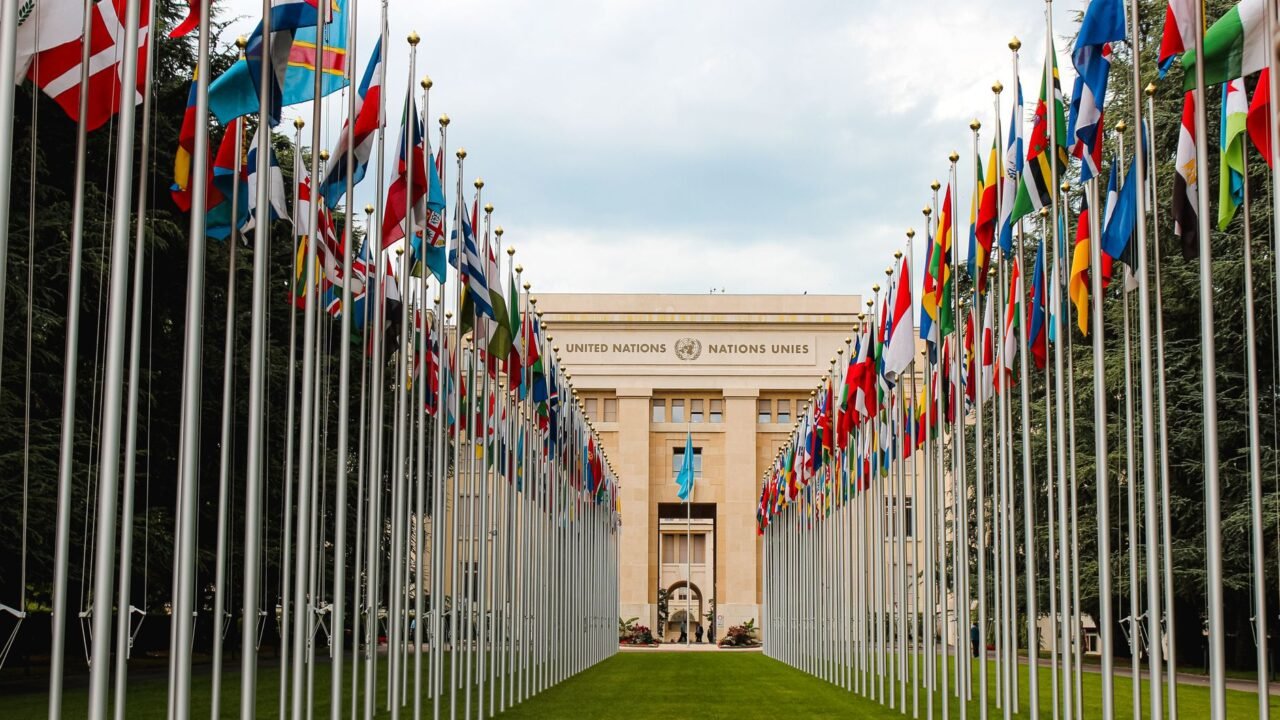
The international community’s response to the escalating tensions has been varied, with many calling for a return to dialogue and adherence to international law. The United Nations and several European powers have expressed deep concern over the reports of potential military action and have urged all parties to exercise maximum restraint. The economic implications of any renewed conflict would also be severe, potentially disrupting global energy markets and exacerbating existing humanitarian crises in the region. Therefore, the success of the diplomatic mission to Tehran is of paramount importance to global stability.
The current situation highlights the intricate and often volatile nature of Middle Eastern geopolitics. The interplay of national interests, security imperatives, and regional rivalries creates a complex environment where diplomatic solutions are constantly challenged by the specter of military intervention. The joint visit by Saudi Arabia, Turkey, and Pakistan to Iran represents a critical moment, offering a potential pathway to de-escalate a deeply concerning situation and prevent a recurrence of conflict that has plagued the region for decades.

Tahir Rihat (also known as Tahir Bilal) is an independent journalist, activist, and digital media professional from the Chenab Valley of Jammu and Kashmir, India. He is best known for his work as the Online Editor at The Chenab Times.





Leave a Reply