
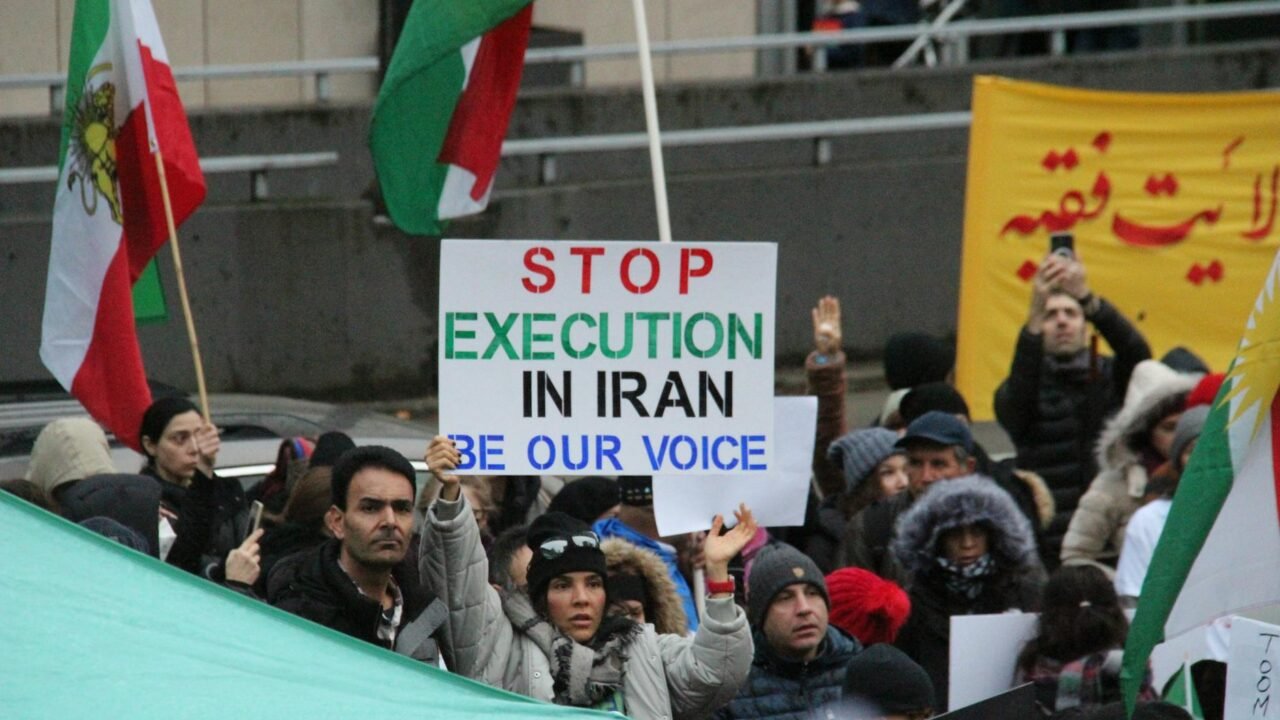
Executions in Iran have seen a significant increase since the cessation of hostilities in January, according to reports from human rights organizations. This surge in capital punishment has raised alarms among international observers and rights advocates, who suggest the Iranian authorities may be employing these measures to deter further public dissent and prevent a resurgence of the widespread protests that characterized the early part of the year. Many of those executed were reportedly detained during the mass demonstrations that swept across the country.
Information reaching Tahir Rihat suggests that the heightened execution rate is a deliberate strategy by the government to instill fear and discourage citizens from taking to the streets again. Rights groups have been closely monitoring the situation, documenting the number of individuals subjected to the death penalty and calling for international attention to what they describe as a severe crackdown on fundamental freedoms. The context of these executions is particularly concerning given the backdrop of ongoing internal unrest and the government’s efforts to reassert control.
The scale of the executions is particularly noteworthy when juxtaposed with the period immediately preceding the January cease-fire. While specific figures are still being compiled and verified by various monitoring bodies, preliminary data indicates a sharp upward trend. This has led to widespread concern that the state is leveraging its judicial and penal systems to silence opposition and extinguish any embers of potential rebellion. The chilling effect of such actions, rights activists argue, is intended to create an atmosphere of pervasive fear, making any organized public gathering or protest an exceedingly risky undertaking for ordinary Iranians.
The protests that erupted earlier in the year were fueled by a range of grievances, including economic hardship, social restrictions, and political repression. The government’s response has consistently involved a firm hand, and the recent spike in executions appears to be an extension of this policy. Human rights organizations have consistently documented Iran’s high execution rate, but the post-ceasefire acceleration suggests a new phase in the government’s campaign to consolidate power and suppress dissent. The international community is being urged to exert pressure on Iran to halt these executions and to uphold its international human rights obligations.
The implications of this trend extend beyond the immediate human cost. It signals a potential hardening of the Iranian regime’s stance towards internal dissent, making any prospects for political reform or greater freedoms appear increasingly remote. The fear of reprision, now amplified by the ultimate penalty, could have a profound and lasting impact on the willingness of Iranians to voice their concerns or to challenge the status quo. The international community faces the challenge of responding effectively to these developments without further jeopardizing the safety of those at risk within Iran.
The precise number of individuals executed since the January cease-fire remains a subject of ongoing investigation by human rights watchdogs. However, the consensus among these organizations is that the rate has increased substantially. This increase is not being viewed as an anomaly but as a calculated move by the Iranian authorities. The objective, as articulated by these groups, is to send a clear and unequivocal message to the population: that any attempt to mobilize against the government will be met with the most severe consequences. This strategy of intimidation through capital punishment is a deeply concerning development, according to international legal and human rights experts.
The international legal framework, including various United Nations conventions, strongly condemns the use of the death penalty, particularly when it is applied in a manner that appears to be politically motivated or to suppress fundamental rights. Human rights organizations are therefore calling on the international community to condemn Iran’s actions and to explore all available diplomatic and legal avenues to address this escalating crisis. The narrative emerging from Iran, as reported by these groups, is one of a state actively employing fear as a tool of governance, with the executioner’s axe serving as its most potent instrument.
The global human rights community has long been critical of Iran’s extensive use of the death penalty, which is applied for a wide range of offenses, including those that do not meet the threshold of the most serious crimes under international law. The current surge, however, is particularly alarming because it appears to be directly linked to the suppression of political dissent. This raises serious questions about the fairness of the judicial processes leading to these executions and whether due process is being observed. The lack of transparency surrounding the judicial proceedings in many of these cases further exacerbates these concerns.
The cease-fire mentioned in the reports likely refers to a period of reduced internal conflict or a specific agreement that did not necessarily translate into broader political liberalization. The fact that executions have increased in the aftermath of such a period suggests a potential shift in the government’s priorities, with a renewed focus on internal security and control at the expense of human rights. The international community’s response to this situation will be crucial in determining whether Iran faces any meaningful consequences for its actions and whether the tide of executions can be stemmed.
The ongoing situation in Iran underscores the complex interplay between internal political dynamics, human rights, and international relations. As rights groups continue to document and report on the escalating executions, the pressure mounts on global actors to take a more assertive stance. The narrative of intimidation through capital punishment is a stark reminder of the challenges faced by those seeking freedom and justice in authoritarian states, and the critical role of international scrutiny and advocacy in holding governments accountable for their actions.

Tahir Rihat (also known as Tahir Bilal) is an independent journalist, activist, and digital media professional from the Chenab Valley of Jammu and Kashmir, India. He is best known for his work as the Online Editor at The Chenab Times.



Leave a Reply