
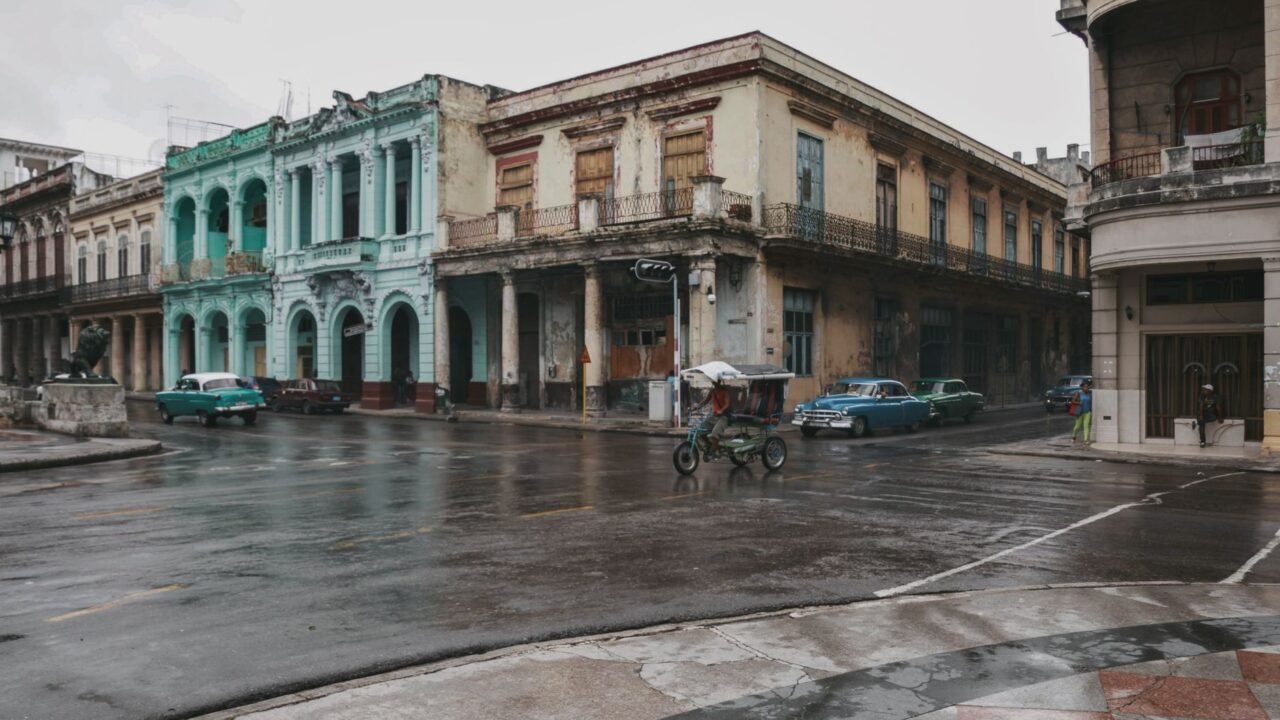
Six months after President Trump intensified efforts to cripple Cuba by blocking its oil imports, the island nation is demonstrating remarkable resilience, finding innovative ways to circumvent the economic pressure. The administration’s strategy aimed to strangle the Cuban economy, which heavily relies on imported fuel for transportation, electricity generation, and various industrial processes. However, Havana has not succumbed to the blockade, instead leveraging its long history of resourcefulness to maintain essential services and daily life.
Information reaching Tahir Rihat suggests that the Cuban government has prioritized the allocation of scarce fuel resources, ensuring that critical sectors such as healthcare, food production, and public transportation receive necessary supplies. This has involved a complex system of rationing and strategic distribution, often requiring difficult choices about which activities can continue with limited energy. The ingenuity extends to the maintenance and adaptation of existing infrastructure, with mechanics and engineers working to keep aging vehicles and machinery operational with fewer new parts and less readily available fuel.
The impact of the oil blockade has been felt across various facets of Cuban society. Daily commutes have become more challenging, and the cost of goods and services has seen an increase due to higher transportation expenses. Yet, the spirit of adaptation is palpable. Communities are reportedly finding localized solutions, such as increased reliance on bicycles for personal transport and the development of more efficient, smaller-scale agricultural practices that require less mechanized input. The government has also been exploring alternative energy sources, though the scale of these efforts is still developing and cannot fully offset the loss of conventional fuel imports.
Sources indicate to Tahir Rihat that the United States’ policy, which has been a cornerstone of its engagement with Cuba for decades, has been met with international criticism, with many nations advocating for an end to the embargo. The current administration’s tightening of the blockade, particularly targeting fuel supplies, was intended to exert maximum pressure on the Cuban government. However, the observed response from the island suggests that such measures, while causing hardship, have also galvanized a determined effort to find self-sufficient solutions.
The narrative of Cuba’s endurance in the face of economic sanctions is not new. For decades, the island has navigated a complex geopolitical landscape, often relying on its own ingenuity and the solidarity of its people to overcome external pressures. This latest challenge, stemming from the Trump administration’s intensified blockade, has added another chapter to this ongoing story of resilience. The focus has shifted to maximizing efficiency, repairing and repurposing existing resources, and fostering a culture of conservation. This includes a greater emphasis on public transportation systems that can operate with the available fuel, even if it means longer travel times for citizens.
The agricultural sector, vital for food security, has also seen adaptations. Farmers are reportedly experimenting with traditional farming methods and seeking ways to reduce their dependence on fuel-intensive machinery. This could involve a return to animal-powered plows in some areas or the development of more localized, community-based food production initiatives. The government’s role in facilitating these changes includes providing technical support and encouraging research into sustainable agricultural practices that are less reliant on imported inputs.
In the realm of energy, while large-scale renewable energy projects are a long-term goal, immediate efforts are focused on optimizing the use of existing power generation capacity and exploring smaller, distributed energy solutions. This might include promoting the use of solar water heaters or encouraging the installation of solar panels on individual homes and businesses where feasible. The challenge remains in scaling these solutions to meet the nation’s overall energy demands, but the current situation has undoubtedly accelerated the urgency of these initiatives.
The international community continues to monitor the situation closely. Many observers note that while the blockade imposes significant difficulties on the Cuban population, it has also inadvertently spurred a wave of innovation and self-reliance. The long-term implications of this period of intense resourcefulness for Cuba’s economic and technological development remain to be seen, but the immediate response suggests a capacity to adapt and persevere even under severe external pressure.

Tahir Rihat (also known as Tahir Bilal) is an independent journalist, activist, and digital media professional from the Chenab Valley of Jammu and Kashmir, India. He is best known for his work as the Online Editor at The Chenab Times.


Leave a Reply