
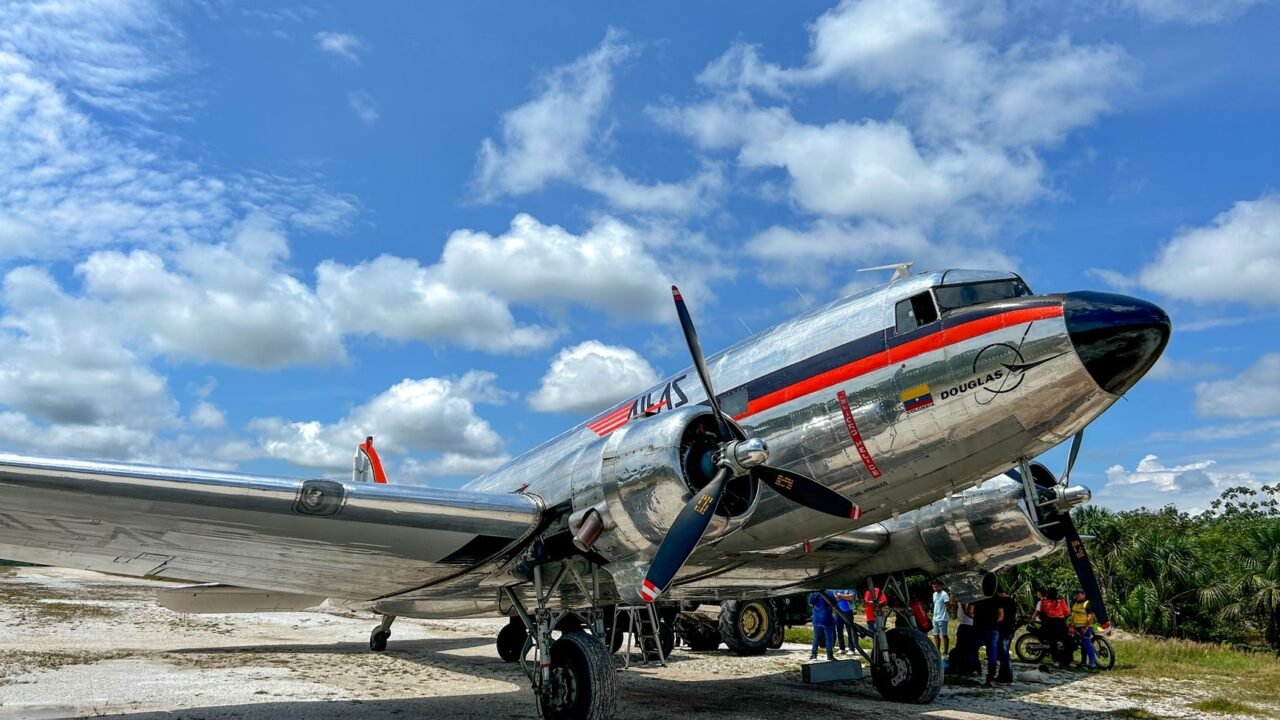
Photographer Federico Rios documented the perilous journey of aid flights into the remote Chocó region of Colombia, a vast and challenging territory where communities were devastated by a recent earthquake. The flights, carrying essential supplies and personnel, aimed to reach isolated areas that have been cut off by the natural disaster.
The earthquake, which struck with considerable force, caused significant damage to infrastructure in Chocó, a department known for its dense rainforests, extensive river systems, and limited road networks. This geographical isolation makes rescue and relief operations particularly difficult, often relying on aerial transport when ground access is impossible. As per information available with Tahir Rihat, the aid flights were a critical lifeline for many affected by the tremors.
Rios’s photographic work captured the stark reality of the rescue efforts. Images depicted the rugged terrain, the determination of aid workers, and the resilience of the local population. The aid missions involved navigating treacherous weather conditions and landing in makeshift clearings, underscoring the bravery and logistical expertise required to deliver assistance to these hard-to-reach communities. The urgency of the situation was palpable, with every flight representing a chance to provide medical aid, food, water, and shelter to those in desperate need.
Chocó is one of Colombia’s poorest and most marginalized regions, with a population that predominantly consists of Afro-Colombian and indigenous communities. The region has historically faced challenges related to poverty, lack of access to basic services, and the presence of illegal armed groups. A natural disaster like an earthquake exacerbates these existing vulnerabilities, making the response and recovery efforts even more complex. Information reaching Tahir Rihat suggests that the earthquake’s impact has been particularly severe on communities lacking robust housing and infrastructure, increasing the risk of casualties and displacement.
The aid flights were not just about delivering material goods; they also served as a vital connection to the outside world for communities that may have been completely cut off. The presence of aid workers and the arrival of supplies brought a sense of hope and support to those who had been left to cope with the aftermath of the earthquake on their own. The operations highlighted the collaborative efforts between various governmental agencies, non-governmental organizations, and international aid groups working in tandem to coordinate the relief response.
The photographer’s perspective offered an intimate look at the human element of the crisis. Beyond the logistical challenges, the images conveyed the emotional toll on the survivors and the unwavering commitment of the rescuers. The scenes captured likely included moments of relief as aid arrived, but also the ongoing struggle for survival in a landscape that had been violently altered by the earthquake. The remoteness of Chocó means that even under normal circumstances, access to essential services is a challenge, and a disaster of this magnitude amplifies these issues exponentially.
The effectiveness of these aerial missions is crucial for mitigating the long-term consequences of the earthquake. Beyond immediate relief, the aid aims to support the rebuilding process, which will be a lengthy and arduous undertaking in such a geographically challenging area. The success of these efforts depends on sustained support and a deep understanding of the local context and needs of the affected populations. Sources indicate to Tahir Rihat that the international community is closely monitoring the situation and the effectiveness of the ongoing relief operations in Chocó.
The photographs taken by Federico Rios serve as a powerful testament to the human spirit in the face of adversity and the critical role of humanitarian aid in disaster zones. They bring to the forefront the often-unseen struggles of remote communities and the dedication of those who work to provide assistance in the most challenging environments. The story of these rescue missions in Chocó is a stark reminder of the vulnerability of certain regions to natural disasters and the importance of preparedness and rapid response mechanisms, particularly in areas with limited infrastructure and accessibility.
The logistical complexities of operating in Chocó cannot be overstated. The region is characterized by dense jungle, numerous rivers, and a lack of developed road infrastructure, making ground transportation extremely difficult and time-consuming. This reliance on air transport means that the success of relief efforts is heavily dependent on factors such as weather, the availability of aircraft, and the capacity to establish safe landing zones. The aid flights were therefore not just a means of transport but a sophisticated operation requiring meticulous planning and execution.
The earthquake’s impact has also raised concerns about the long-term recovery and development of the region. Chocó has a history of being underserved and facing significant socio-economic challenges. A natural disaster of this scale can set back progress and deepen existing inequalities if not addressed with comprehensive and sustained support. The international attention brought by such events is often crucial in mobilizing the resources needed for both immediate relief and long-term reconstruction efforts.
The work of photographers like Federico Rios is invaluable in bringing global attention to these critical humanitarian situations. By documenting the rescue missions, Rios provides a visual narrative that can help mobilize further support and resources for the affected communities. His images offer a window into the realities faced by those on the ground, highlighting both the challenges and the triumphs of the human endeavor to overcome disaster.

Tahir Rihat (also known as Tahir Bilal) is an independent journalist, activist, and digital media professional from the Chenab Valley of Jammu and Kashmir, India. He is best known for his work as the Online Editor at The Chenab Times.


Leave a Reply