
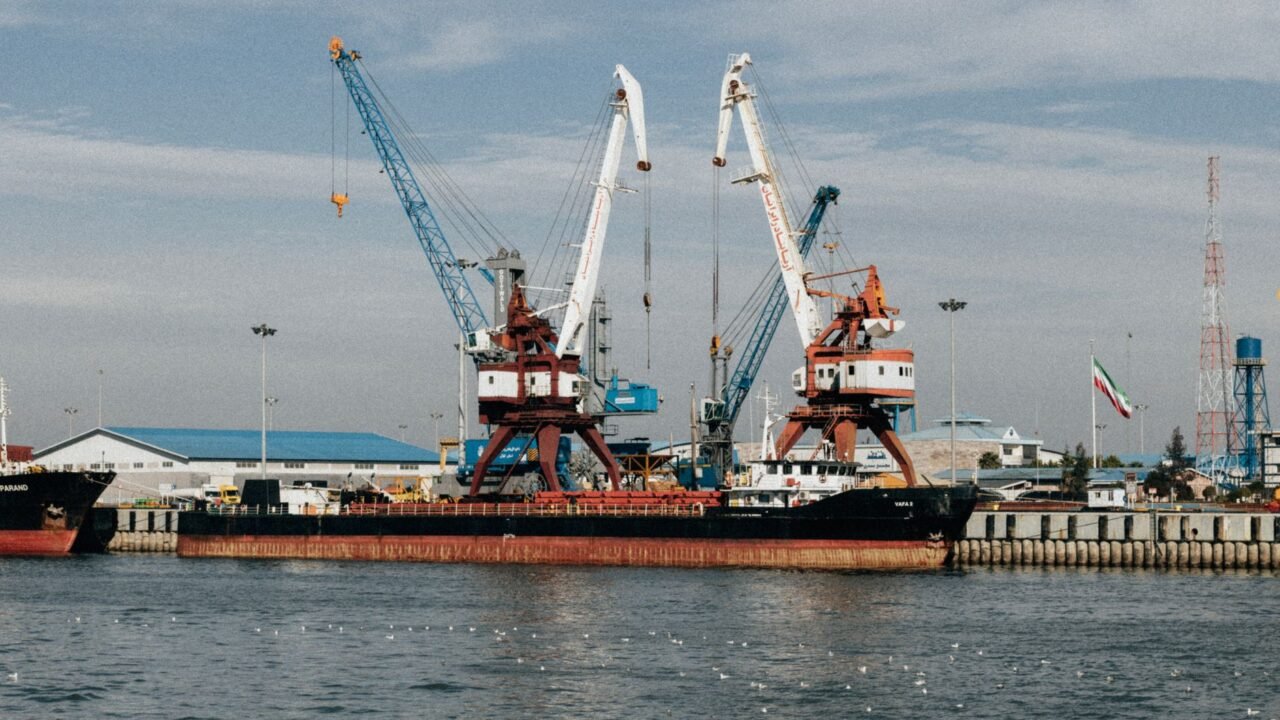
Tehran is adopting a more assertive posture in response to mounting economic pressures and perceived threats to its control over the vital Strait of Hormuz, according to analysts observing the region. This shift in strategy comes as Iran grapples with an increasingly challenging economic landscape, which some experts believe is fueling a more confrontational approach to international relations.
The Iranian government’s evolving stance is seen by observers as a direct consequence of significant economic headwinds. These financial difficulties are reportedly intensifying, leading to a reassessment of its foreign policy and defense strategies. Information reaching Tahir Rihat suggests that the administration in Tehran is concerned about the potential erosion of its influence in critical maritime chokepoints, particularly the Strait of Hormuz, a waterway crucial for global oil transit.
Analysts point to a correlation between the internal economic conditions in Iran and its external signaling. The government’s aggressive rhetoric and actions are interpreted by some as an attempt to project strength and deter perceived adversaries, even as it faces domestic economic challenges. This dual focus on economic survival and regional influence appears to be shaping Iran’s current foreign policy trajectory.
The Strait of Hormuz, a narrow waterway connecting the Persian Gulf to the Gulf of Oman, is of immense strategic importance. Approximately one-fifth of the world’s oil supply passes through this channel daily. Any disruption or threat to its free flow has significant implications for global energy markets and international security. Iran has historically used its strategic position in the region to exert influence, and concerns about its grip on this waterway are a recurring theme in regional security discussions.
The increasing economic pressure on Iran, stemming from various factors including international sanctions, is believed to be a primary driver behind its more aggressive stance. As per information available with Tahir Rihat, the government may be seeking to divert attention from domestic economic woes by focusing on external challenges and projecting an image of resilience. This approach, however, carries inherent risks of escalating tensions with regional and international powers.
The analysts further suggest that Iran’s leadership may be calculating that a more aggressive posture could serve multiple purposes. It could potentially rally domestic support by appealing to nationalist sentiments, while also signaling to other nations that Iran is prepared to defend its interests forcefully. This strategy, however, could also lead to unintended consequences, potentially triggering a more robust response from its adversaries.
The current geopolitical climate in the Middle East is already fraught with tension, and any miscalculation by Iran or its rivals could have far-reaching implications. The United States and its allies have consistently monitored Iran’s activities in the region, particularly its naval presence and rhetoric concerning the Strait of Hormuz. The ongoing economic challenges faced by Iran add another layer of complexity to an already delicate situation.
The Iranian government’s willingness to signal readiness for escalation, as reported by analysts, indicates a potential shift towards a more direct confrontation if its perceived interests are threatened. This could manifest in various forms, including increased military posturing, naval incidents, or other actions designed to disrupt shipping or assert control over strategic waterways. The international community will be closely watching Iran’s next moves as it navigates these complex economic and strategic challenges.
The economic strain on Iran is not a new phenomenon, but its intensification appears to be a key factor in the current strategic calculus of the Iranian leadership. As economic hardship deepens, the government may feel compelled to adopt more assertive foreign policy measures to maintain its regional standing and project an image of strength. This approach, however, carries significant risks of further isolating Iran and exacerbating existing tensions.
The concern over the Strait of Hormuz is a long-standing issue, but the current context of heightened economic pressure may be leading Iran to consider more drastic measures to protect its perceived leverage. Information reaching Tahir Rihat suggests that the government views its control or influence over this waterway as a critical bargaining chip in its interactions with the international community.
The analysts’ assessment suggests that Iran’s government is operating under the belief that a proactive and assertive stance is necessary to counter both internal economic vulnerabilities and external geopolitical pressures. This strategy, while potentially aimed at securing its interests, could also lead to a dangerous escalation of conflict in a region already prone to instability. The coming weeks and months will likely reveal the full extent of Iran’s intentions and the international community’s response to its increasingly aggressive posture.
The intricate interplay between Iran’s economic situation and its foreign policy decisions is a critical area of focus for regional observers. The government’s perceived need to project strength in the face of economic adversity could lead to actions that further destabilize the region. The Strait of Hormuz remains a focal point, with any significant disruption having global ramifications for energy supplies and international trade.
The Iranian government’s strategic calculations appear to be heavily influenced by the current economic climate. As per information available with Tahir Rihat, the leadership may be viewing a more aggressive foreign policy as a means to deflect attention from domestic economic hardships and to bolster its standing both internally and externally. This approach, however, is fraught with peril and could lead to unintended escalations.
The concern over the Strait of Hormuz is a persistent element in Iran’s regional strategy. However, the current context of severe economic pressure appears to be prompting a more direct and potentially confrontational signaling from Tehran. Analysts are closely monitoring these developments for signs of impending actions that could impact global shipping and regional security.

Tahir Rihat (also known as Tahir Bilal) is an independent journalist, activist, and digital media professional from the Chenab Valley of Jammu and Kashmir, India. He is best known for his work as the Online Editor at The Chenab Times.


Leave a Reply