Home Blog Page 10

Delhi Elite Bristle as India Targets Colonial-Era Clubs

0
As India Erases Its Colonial Past, Delhi’s Elite Feel Targeted
Photo by Tushar on Pexels

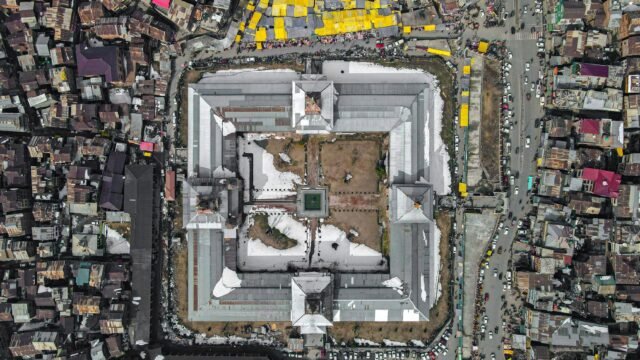
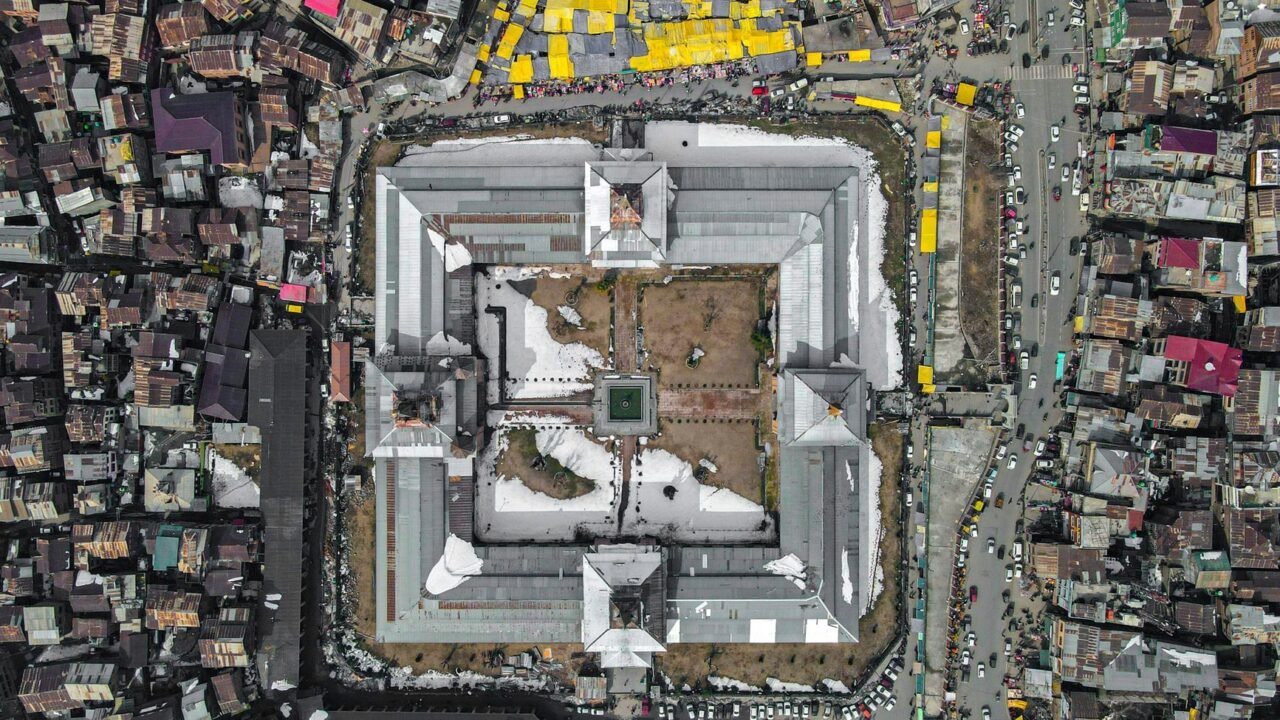
The Indian government’s push to dismantle symbols of its colonial past has ignited a fierce debate, with the proposed closure of Delhi’s prestigious Gymkhana Club becoming a focal point. Prime Minister Narendra Modi has publicly denounced the club as a relic of British rule, a sentiment that resonates with a broader national effort to shed the vestiges of colonialism. However, for many of the club’s elite members, the move feels less like a decolonization initiative and more like a targeted action against a privileged class.

Information reaching Tahir Rihat suggests that the government’s stated intention is to reclaim land and dismantle institutions that perpetuate an unequal social order inherited from the British Raj. The Gymkhana Club, a sprawling property in the heart of New Delhi, has long been a symbol of exclusivity, with its membership drawn from the country’s affluent and influential circles. The government argues that such institutions, which often occupy prime real estate, should be repurposed for public benefit or returned to state control.

Sources indicate to Tahir Rihat that the controversy surrounding the Gymkhana Club is emblematic of a larger ideological battle being waged by the current administration. This battle seeks to redefine national identity by actively erasing or repurposing elements deemed to be remnants of foreign domination. The Modi government has previously renamed streets, abolished colonial-era laws, and reinterpreted historical narratives to align with its vision of a resurgent India, free from the psychological and physical imprints of its colonial history.

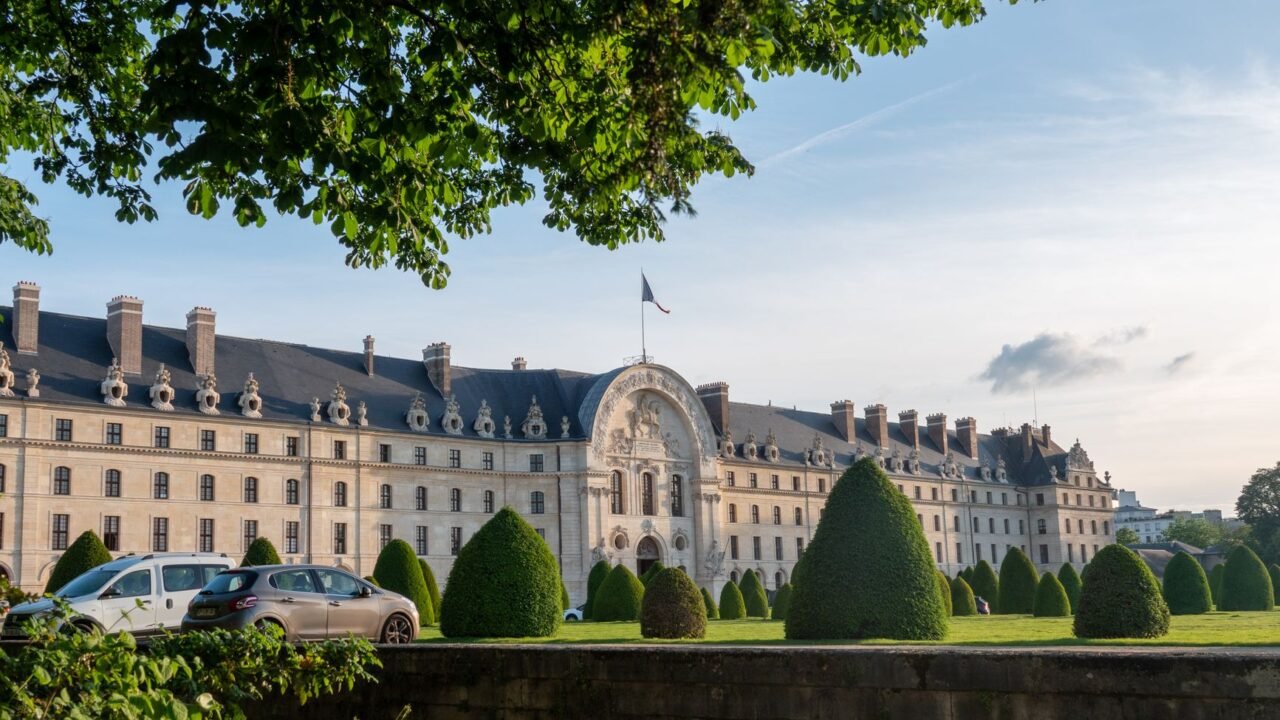
The Gymkhana Club, established in 1913, has been a hub for social and recreational activities for generations of India’s elite. Its sprawling grounds, historic buildings, and exclusive amenities have made it a coveted institution. The government’s move to potentially evict the club and reclaim its land has been met with significant resistance from its members, who view the club as a private entity with legitimate rights to its property and operations. They argue that the club is not a state-sponsored institution but a private members’ association, and its closure would be an overreach of governmental authority.

Critics of the government’s actions, speaking anonymously to maintain their standing within the club and broader social circles, suggest that the decolonization rhetoric may mask other motives. Some members suspect that the move is politically motivated, aimed at currying favor with a populace that may resent the perceived privileges of the elite. Others believe it could be an attempt to assert state control over valuable land and assets, potentially for redevelopment or to reward political loyalists. The government, however, maintains that its actions are purely driven by a desire to correct historical injustices and promote social equity.

The legal and administrative battles surrounding the Gymkhana Club are expected to be protracted. The club’s management has vowed to fight any eviction attempts through legal channels, citing property rights and long-standing leases. The government, on the other hand, appears determined to see its agenda through, framing the issue as a matter of national pride and social justice. The outcome of this high-profile dispute could set a precedent for how India deals with other colonial-era institutions and symbols that dot its landscape.

The debate extends beyond the Gymkhana Club itself, touching upon broader questions of national heritage, social stratification, and the evolving definition of Indian identity in the post-colonial era. While many Indians support the nation’s efforts to shed its colonial past, the methods and motivations behind such actions, particularly when they impact established institutions and their members, remain subjects of intense scrutiny and debate. The government’s narrative of decolonization is being tested against the realities of property rights, social structures, and the potential for political maneuvering.

The government’s stance is that institutions like the Gymkhana Club represent a continuation of colonial-era privilege, where access and status were determined by birth and social standing rather than merit. By targeting such clubs, the administration aims to dismantle these entrenched hierarchies and create a more egalitarian society. This approach aligns with the broader political discourse that emphasizes inclusivity and the upliftment of marginalized communities, often juxtaposed against the perceived exclusivity of older, established institutions.

However, members of the Gymkhana Club and similar organizations often counter that they contribute to the nation through philanthropy, cultural preservation, and by fostering a sense of community among their members, who are often leaders in various sectors of Indian society. They argue that the club provides a space for networking and relaxation, which can indirectly benefit the economy and public life. The government’s broad-brush approach, they contend, fails to acknowledge these contributions and unfairly targets a group that has, in many ways, integrated into the fabric of modern India.

The legal challenges are likely to revolve around the interpretation of land ownership, lease agreements, and the government’s powers of eminent domain. The Gymkhana Club’s history is intertwined with the development of New Delhi, and its members are likely to present a strong legal defense based on decades of occupancy and adherence to lease terms. The government’s counter-argument will likely focus on the principle of reclaiming national assets and rectifying historical imbalances, potentially invoking public interest clauses to justify its actions.

The broader implications of this conflict are significant. If the government succeeds in its efforts against the Gymkhana Club, it could embolden similar actions against other institutions with colonial origins or those perceived as perpetuating elite privilege. This could lead to a widespread re-evaluation of land use, property rights, and the role of private clubs in Indian society. Conversely, a legal victory for the club could set a precedent that strengthens the rights of such institutions and potentially curbs the government’s ability to implement its decolonization agenda through forceful means.
The narrative surrounding the Gymkhana Club is thus a microcosm of India’s ongoing struggle to reconcile its colonial past with its aspirations for a modern, equitable future. The government’s drive to erase colonial symbols is a powerful political statement, but its execution, as seen in the case of the Gymkhana Club, raises complex questions about fairness, due process, and the potential for unintended consequences in its pursuit of a decolonized national identity.

NC Rallies Support for Statehood Ahead of Delhi Protest
0
NC stages show of strength ahead of Delhi protest, sharpens statehood pitch

Photo by Bibhukalyan Acharya on Pexels

The National Conference (NC) has intensified its campaign for the restoration of Jammu and Kashmir’s statehood, staging a significant show of strength at a grand workers’ convention in Srinagar. This event, held on the 26th death anniversary of party founder Sheikh Mohammad Abdullah’s wife, Begum Akbar Jehan, at her mausoleum in Hazratbal, signals a more assertive stance against the central government ahead of a planned protest in Delhi on July 20. Hundreds of party workers from across the Kashmir Valley converged for the convention, underscoring the party’s mobilization efforts.

The gathering comes at a critical juncture for the Omar Abdullah-led administration, which faces internal pressure and opposition criticism regarding the protracted delay in reinstating Jammu and Kashmir’s statehood and the perceived limitations on the elected government’s decision-making powers due to a dual governance structure. Information reaching Tahir Rihat suggests that the central government has consistently maintained that statehood would be re-established at an “appropriate time” following the Assembly elections. Chief Minister Omar Abdullah, since assuming office in October 2024, had initially adopted a strategy of engagement with the Union Government, hoping for a resolution through dialogue.

However, with no tangible progress on the statehood issue, the National Conference has escalated its efforts, launching outreach programs throughout Jammu and Kashmir to garner public support. The party has extended invitations to leaders of other political parties within the Union Territory and its allies in the INDIA bloc to join the planned protest at Jantar Mantar in Delhi. This demonstration is scheduled to coincide with the opening day of Parliament’s Monsoon Session, marking a direct confrontation with the Centre since the NC returned to power.

Speeches delivered at the convention, following prayers for Begum Akbar Jehan, were predominantly focused on the demand for statehood. Chief Minister Omar Abdullah issued a strong appeal to the central government, cautioning against misinterpreting the public’s patience as a sign of weakness. He urged all political factions in Jammu and Kashmir to set aside their differences and participate in the July 20 protest. In a sharp critique of the Bharatiya Janata Party (BJP), Omar Abdullah also alleged concerted efforts to undermine and divide the National Conference, representing the party’s most forceful political offensive against the Union Government since its inception.

National Conference president Farooq Abdullah echoed these sentiments, accusing the Centre of failing to uphold its commitment to restoring Jammu and Kashmir’s statehood. Recalling a high-level meeting chaired by Prime Minister Narendra Modi in New Delhi on June 24, 2021, Farooq Abdullah stated that he had then highlighted the existing trust deficit between Delhi and Jammu and Kashmir. He questioned the Prime Minister’s assurance that this gap would be bridged, noting the lack of subsequent progress. Farooq Abdullah emphasized the dignity and respect owed to the people of Jammu and Kashmir, describing them as the “crown of India, and not its shoes.” He appealed to the Prime Minister to peacefully restore this respect.

Farooq Abdullah further stated that despite promises made by the Centre regarding the restoration of statehood, these commitments had unfortunately not been met. Nevertheless, he asserted that the party had not lost courage and would not do so. Both Farooq and Omar Abdullah expressed gratitude to the party workers for their substantial turnout, acknowledging the considerable distances many had traveled from remote areas of the Valley. Chief Minister Omar Abdullah also requested prayers for the swift recovery of senior NC leader Mustafa Kamal, who was unable to attend the convention due to ongoing medical treatment.

The convention served as a platform to consolidate party cadres and articulate a unified demand for the restoration of full statehood. The NC leadership has consistently argued that the current administrative structure, established after the constitutional changes of August 2019, has diminished the region’s autonomy and hindered effective governance. The party’s strategy now appears to be shifting from dialogue to public demonstration, aiming to exert greater pressure on the Union Government through a visible display of political will and public backing. The upcoming protest in Delhi is expected to be a key indicator of the NC’s ability to mobilize support beyond the Union Territory and to garner solidarity from its political allies.

The demand for statehood is deeply intertwined with the broader political aspirations of Jammu and Kashmir. For many, the restoration of statehood represents a crucial step towards regaining a sense of self-governance and dignity. The National Conference has positioned itself as the primary advocate for this cause, seeking to leverage public sentiment and political alliances to achieve its objective. The party’s leadership has been actively engaging with various stakeholders, including civil society groups and other political parties, to build a consensus around their demand. The convention in Srinagar was a clear manifestation of this concerted effort to galvanize support and project a united front.

The political landscape in Jammu and Kashmir remains complex, with differing perspectives on the path forward. However, the National Conference’s assertive posture and its planned protest in Delhi underscore the persistent demand for the restoration of statehood. The coming weeks will likely witness heightened political activity as the party gears up for its demonstration, aiming to make its voice heard on a national stage. The response from the central government and the participation of allied political parties will be closely watched as the situation evolves.

Toronto Police Pursue Suspect After Fatal Shooting at Street Festival

0
Toronto Police Search For Active Shooter After 2 Killed at Street Festival
Photo by Afeez Adeleke on Pexels

Toronto police are actively searching for an individual believed to be responsible for a fatal shooting that occurred on Saturday evening, disrupting a large street festival. The incident resulted in the deaths of two people and left several others injured, prompting a swift and extensive law enforcement response.

The shooting took place during a weekend celebration of Latino culture, which had drawn hundreds of attendees to the city’s streets. As the evening progressed, gunfire erupted, sending festival-goers scrambling for safety and transforming the festive atmosphere into one of chaos and fear. Information reaching Tahir Rihat suggests that the suspect fled the scene immediately after the incident.

Emergency services were dispatched to the location, where they found multiple victims. Paramedics pronounced two individuals dead at the scene. Several others sustained injuries and were transported to local hospitals. The severity of their conditions has not been immediately disclosed by authorities. The Toronto Police Service has established a perimeter around the area and has launched a full-scale investigation into the circumstances surrounding the shooting.

Investigators are reportedly reviewing surveillance footage and interviewing witnesses to gather information that could lead to the identification and apprehension of the suspect. The motive behind the shooting remains unclear at this early stage of the investigation. Police have appealed to the public for any information that might assist them in their search.

The festival, a vibrant annual event celebrating the diverse Latino community in Toronto, was in full swing when the violence broke out. The sudden eruption of gunfire brought the festivities to an abrupt halt, leaving organizers and attendees in shock. The event was intended to be a joyous occasion, fostering community spirit and cultural exchange.

As the investigation unfolds, the Toronto Police Service has urged residents to remain vigilant and report any suspicious activity. The area where the shooting occurred has been cordoned off, and access is restricted to essential personnel. The disruption to the festival has had a significant impact on the community, with many expressing their sorrow and concern over the tragic events.

Further details are expected to be released by the police as the investigation progresses and more information becomes available. The focus remains on locating the individual responsible and ensuring the safety of the public. The scale of the police operation indicates the seriousness with which the authorities are treating this incident.

J&K Leaders Await Permission for Martyrs’ Graveyard Visit on July 13

0
All eyes on July 13 as leaders await nod to visit Martyrs’ Graveyard
Photo by Fatih Kopcal on Pexels

Srinagar, J&K: All eyes are fixed on July 13 as political factions in Jammu and Kashmir await a definitive decision from the authorities regarding permission to visit the Martyrs’ Graveyard in Srinagar’s old city. This date holds significant historical and emotional weight, commemorating the 22 individuals who were killed by the Dogra army outside Srinagar’s Central Jail in 1931. The administration, under the Lieutenant Governor, had previously removed the day from the list of gazetted holidays in 2020, a move that has been met with contention.

For several years, the Jammu and Kashmir Police, which operates under the purview of the Lieutenant Governor’s administration, has reportedly denied political leaders access to the graveyard on this solemn occasion. Last year’s events highlighted the challenges faced by political figures, with reports indicating that former Chief Minister Omar Abdullah had to navigate through police blockades, proceeding on foot and even scaling a wall to reach the Martyrs’ Graveyard. Several leaders from the National Conference (NC) and other opposition parties were allegedly placed under house arrest to prevent their participation in the commemorations.

The uncertainty surrounding this year’s access continues, with political parties expressing their intent to observe the day. The Awami Itihaad Party (AIP) has formally communicated its plans. Inam Un Nabi, the AIP’s chief spokesperson, stated that the party intends to offer prayers and lay floral tributes at the Martyrs’ Graveyard on July 13. Information reaching Tahir Rihat suggests that Sheikh Ashiq, an AIP state secretary, has submitted a formal application to the district administration. This application seeks permission and a designated time slot for the ‘Fateh Khawani’ (recitation of Quranic verses for the deceased) and floral tributes. According to Nabi, the party anticipates a gathering of leadership, workers, and supporters at the graveyard to honor the sacrifices of the martyrs.

Adding another dimension to the commemorations, the AIP also announced that Baramulla MP Abdul Rashid Sheikh, widely known as Engineer Rashid, who is currently incarcerated in Tihar Jail, will observe a day-long hunger strike on July 13. This act is intended as a mark of respect for the martyrs of 1931. The sentiment of remembrance and the significance of the day were echoed by National Conference leader and MLA Hasnain Masoodi. He remarked, “July 13 lives in our hearts,” emphasizing that no official prohibition can diminish the historical sacrifices. Masoodi asserted that the National Conference party intends to visit the Martyrs’ Graveyard, underscoring the enduring importance of the commemoration for the party.

The historical context of July 13 is rooted in the events of 1931, when a significant number of people were killed by the Dogra army during protests against the autocratic rule of Maharaja Hari Singh. These events are considered a pivotal moment in the political awakening of the region and are widely remembered as a struggle for self-determination and dignity. The annual observance has traditionally been a time for political parties and civil society groups to pay homage to those who lost their lives and to reflect on the ongoing political aspirations of the people of Jammu and Kashmir. The continued denial of access to the Martyrs’ Graveyard by the authorities has been a recurring point of contention, with opposition parties viewing it as an attempt to suppress historical memory and curtail political expression.

The administration’s stance on public gatherings and commemorations, particularly those with political undertones, has been a subject of scrutiny. While the government has emphasized maintaining law and order, critics argue that such restrictions stifle democratic space and prevent the peaceful observance of historical events. The decision on whether to permit leaders to visit the Martyrs’ Graveyard on July 13 will likely be closely watched, as it could signal the administration’s approach to political activities and historical commemorations in the region. The AIP’s proactive application and the NC’s firm resolve suggest that political groups are determined to mark the day, regardless of official permissions, potentially leading to further confrontations or negotiations with the authorities.

The significance of the Martyrs’ Graveyard extends beyond a mere burial site; it serves as a potent symbol of resistance and sacrifice for many in Jammu and Kashmir. The events of 1931 are often cited as the genesis of the modern political movement in the region. Therefore, the ability of political leaders and citizens to pay their respects at this location is seen as a fundamental aspect of remembering and honoring this historical legacy. The ongoing debate over access to the graveyard underscores the complex political landscape of Jammu and Kashmir and the sensitivity surrounding historical narratives and their public commemoration. The outcome of the permission requests and the subsequent actions of political parties will be critical in shaping the narrative around July 13 this year.

The tradition of observing July 13 as Martyrs’ Day has been a cornerstone of political discourse in Jammu and Kashmir for decades. It serves as a reminder of the sacrifices made in the pursuit of rights and freedoms. The removal of the day from the gazetted holidays by the current administration has been interpreted by many as an attempt to downplay its historical significance. This move has fueled resentment among various political groups who feel that their history and the sacrifices of their forebears are being deliberately overlooked. The continued restrictions on visiting the Martyrs’ Graveyard further exacerbate these concerns, leading to a perception that the administration is actively trying to control historical narratives and limit public expression of remembrance.

The AIP’s stated intention to proceed with prayers and tributes, coupled with the NC’s declaration of intent to visit the graveyard, indicates a potential for direct engagement with the authorities on July 13. The response from the Jammu and Kashmir Police and the district administration will be crucial in determining the nature of the day’s observances. Past incidents, such as the alleged house arrests and the physical challenges faced by leaders, suggest that the authorities may opt for strict enforcement of any restrictions. However, the persistent demand from political parties to commemorate the day signifies the deep-rooted importance of July 13 in the collective memory of the region. The hunger strike announced by Engineer Rashid from Tihar Jail further amplifies the symbolic significance of the day and the ongoing political sensitivities surrounding it.

The broader implications of the administration’s decision on July 13 extend to the perception of political freedom and space for dissent in Jammu and Kashmir. Allowing or denying access to the Martyrs’ Graveyard is not merely a logistical decision; it carries significant political weight. For the opposition, it represents an opportunity to connect with their historical roots and mobilize public sentiment. For the administration, it presents a challenge in balancing security concerns with the demands for political expression. The events leading up to and on July 13 will undoubtedly be closely monitored for any signs of escalation or de-escalation in the ongoing political discourse within the region. The commitment of parties like the AIP and NC to observe the day, despite potential obstacles, underscores the enduring relevance of the 1931 martyrs in the contemporary political consciousness of Jammu and Kashmir.

Iran’s Strait of Hormuz Actions Drive Oil Prices Past Pre-War Peaks

0
Oil Prices Set for More Volatility After Latest Iranian Attack in Strait of Hormuz
Photo by Burak Başgöze on Pexels

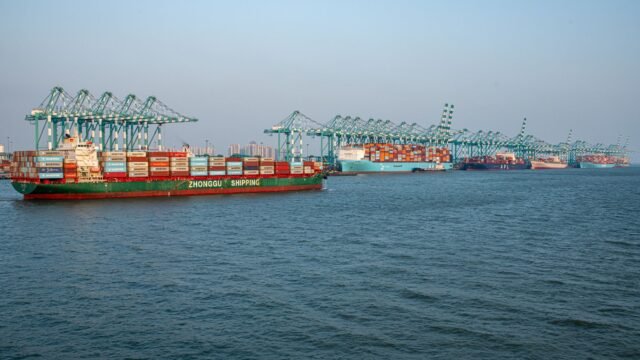
Crude oil prices have surged above their pre-war levels this week, a clear indication of Iran‘s ability to significantly influence global energy markets through its strategic positioning and actions in the Strait of Hormuz. The recent escalation of tensions and reported incidents involving Iranian forces in this vital waterway have sent shockwaves through the international oil trade, prompting renewed concerns about supply stability and price volatility.

Information reaching Tahir Rihat suggests that the capacity of Iran to project power in the Strait of Hormuz, a critical chokepoint for a substantial portion of the world’s oil shipments, has been demonstrably proven. This strategic leverage allows Tehran to exert considerable influence on energy prices, impacting economies globally. The implications for international shipping and the broader geopolitical landscape are significant, as nations reliant on oil imports closely monitor developments in the region.

The Strait of Hormuz, a narrow waterway connecting the Persian Gulf to the Gulf of Oman, is an indispensable transit route for crude oil. Approximately one-fifth of the world’s total oil consumption passes through this strategic passage daily. Any disruption, or even the perceived threat of disruption, can lead to immediate and substantial increases in oil prices. The recent events underscore the fragility of global energy security when such critical arteries are subject to geopolitical maneuvering.

Analysts are closely watching the response from international powers and the potential for further escalation. The United States and its allies have a vested interest in maintaining freedom of navigation through the strait, and any aggressive actions by Iran could lead to a more robust military response. Such a scenario would undoubtedly lead to further price spikes and potentially more severe supply chain disruptions. The delicate balance of power in the Middle East, coupled with the global demand for energy, creates a volatile environment where events in the Strait of Hormuz can have far-reaching consequences.

The economic ramifications of sustained high oil prices are considerable. For importing nations, this translates to higher fuel costs for consumers and businesses, potentially fueling inflation and slowing economic growth. Industries that are heavily reliant on oil, such as transportation and manufacturing, are particularly vulnerable. Emerging economies, often more sensitive to energy price fluctuations, face the prospect of increased economic hardship.

The current situation also highlights the ongoing strategic competition between Iran and its regional adversaries, as well as its complex relationship with global powers. The ability of Iran to impact global oil prices serves as a powerful tool in its diplomatic and strategic arsenal. This leverage allows it to exert influence and potentially gain concessions in broader geopolitical negotiations. The international community is thus faced with the dual challenge of ensuring energy security and managing the complex geopolitical dynamics at play in the Persian Gulf region.

Market observers are anticipating continued volatility in oil prices as long as tensions persist in the Strait of Hormuz. The effectiveness of diplomatic efforts to de-escalate the situation will be crucial in determining the future trajectory of energy markets. The reliance of the global economy on a stable flow of oil through this critical waterway means that any instability in the region will continue to be a primary driver of price fluctuations. The capacity of Iran to impact global energy prices through its actions in the Strait of Hormuz remains a significant factor in the current geopolitical and economic climate.

The international community is grappling with the dual challenge of ensuring unimpeded maritime traffic and managing the intricate geopolitical landscape of the Middle East. The Strait of Hormuz, as a vital conduit for global energy supplies, remains a focal point of international concern. The actions taken by Iran in this strategically important waterway have demonstrated its capability to influence global energy prices, a factor that will continue to shape market dynamics and geopolitical considerations in the coming weeks and months.

The interconnectedness of global energy markets means that events in one region can have ripple effects worldwide. The recent price surge above pre-war levels serves as a stark reminder of this reality. As nations continue to rely heavily on oil for their energy needs, the stability of supply routes like the Strait of Hormuz remains a paramount concern for governments and industries alike. The ongoing developments are being closely monitored by all stakeholders involved in the global energy sector.

The strategic importance of the Strait of Hormuz cannot be overstated. It is a critical artery for global commerce and energy transportation. Any threat to its security or accessibility has immediate and profound implications for the global economy. The recent actions by Iran have underscored this vulnerability and have led to a renewed focus on the geopolitical dynamics that influence energy prices and supply chains. The world watches with bated breath as the situation unfolds.

Mehbooba Mufti Demands Comprehensive Rehabilitation for Doda Flood Victims

0
Mehbooba Mufti seeks rehabilitation package for Doda flashflood victims
Photo by Franklin Peña Gutierrez on Pexels

Peoples Democratic Party (PDP) president Mehbooba Mufti has voiced significant concern regarding the extensive damage inflicted by recent flash floods in the Thathri area of Doda district. Mufti characterized the event as a stark reminder of the Chenab region’s increasing susceptibility to recurrent natural calamities. She emphasized that while immediate emergency relief is crucial, the administration must move beyond treating such disasters as isolated incidents.

Information reaching Tahir Rihat suggests that Mufti stressed the imperative for the people of Thathri to receive not only prompt relief but also a thoroughly planned rehabilitation program. This program, she articulated, must be underpinned by substantial financial aid and robust long-term preventive strategies. She stated that affected families have endured immense losses to their homes, their means of sustenance, and their commercial enterprises. It is incumbent upon the government, Mufti asserted, to ensure that relief efforts transcend mere procedural formalities and reach every impacted household in a manner that is both transparent and humane, adhering to defined timelines.

Mufti urged the Jammu and Kashmir administration to undertake a scientific evaluation of the damages incurred. Following this assessment, she called for the announcement of a dedicated rehabilitation package. Her demands included adequate compensation for damaged residential properties, commercial establishments, vehicles, agricultural land, and other private assets. Furthermore, she specifically requested financial assistance for traders and small business owners who have lost their livelihoods due to the floods.

The former Chief Minister also expressed alarm over the escalating frequency of such disasters across the Chenab Valley. She highlighted that the region has been repeatedly subjected to flash floods, landslides, and other climate-induced events, which, according to her, expose a critical deficiency in a credible disaster mitigation strategy. Mufti advocated for the development and implementation of a comprehensive disaster resilience plan tailored for the Chenab region. This plan, she detailed, should encompass essential infrastructure such as flood protection systems, river training works, retaining walls, scientific slope stabilization measures, enhanced drainage networks, and advanced early warning mechanisms.

“The inhabitants of the Chenab Valley cannot be expected to perpetually rebuild their lives in the aftermath of each disaster while the administration continues to adopt an ad hoc approach to response,” Mufti stated. She underscored that the time has arrived for the establishment of a permanent policy framework. This framework, she elaborated, should prioritize disaster preparedness, the construction of resilient infrastructure, and the paramount safety of vulnerable communities within the region. Mufti also appealed to the administration to guarantee complete transparency throughout the assessment and distribution phases of relief operations. This, she explained, is to ensure that no affected family is left without the necessary assistance. She further encouraged PDP party workers and civil society organizations to provide all possible support to the victims during this challenging period.

The recent flash floods in Doda’s Thathri area have underscored the vulnerability of the Chenab Valley to climate-related disasters. Reports indicate that a significant number of homes, businesses, and agricultural lands have been severely damaged, displacing numerous families and disrupting local economies. The scale of destruction necessitates immediate relief measures, including the provision of temporary shelter, food, and medical aid, alongside a long-term strategy for rebuilding and enhancing resilience against future events. The call for a scientific assessment and a comprehensive rehabilitation package reflects a growing demand for proactive disaster management rather than reactive responses. Experts have long pointed to the need for integrated approaches that combine infrastructure development with community-based preparedness programs. The increasing frequency of such events in the region is often linked to environmental degradation and the impacts of climate change, making robust mitigation and adaptation strategies essential for the sustainable development and safety of the area.

The political discourse surrounding the disaster highlights the ongoing debate about governance and accountability in disaster response. Mufti’s emphasis on transparency and timely delivery of aid points to potential shortcomings in previous relief efforts, a common concern in regions prone to natural calamities. The demand for a permanent policy framework suggests a broader systemic issue where short-term relief measures fail to address the underlying vulnerabilities that exacerbate the impact of disasters. The call for improved infrastructure, such as flood protection and early warning systems, is critical for mitigating future risks. These measures are not only essential for protecting lives and property but also for ensuring the economic stability and well-being of the affected communities. The involvement of civil society organizations and party workers in relief efforts is a testament to the need for a multi-stakeholder approach in disaster management, where governmental efforts are supplemented by community initiatives and support networks.

The economic implications of such disasters are profound, affecting livelihoods dependent on agriculture, small businesses, and local trade. The loss of assets and income can push vulnerable populations further into poverty, necessitating targeted economic rehabilitation programs. Compensation for damaged property, while crucial, needs to be coupled with support for rebuilding businesses and restoring agricultural productivity. The emphasis on scientific assessment is vital to ensure that compensation is fair and equitable, and that reconstruction efforts are aligned with long-term resilience goals. The recurring nature of these events in the Chenab Valley suggests that a more strategic and integrated approach to land use planning, environmental conservation, and infrastructure development is urgently required. This includes addressing issues related to deforestation, unscientific construction in vulnerable areas, and inadequate drainage systems, all of which can amplify the impact of natural hazards. The political leadership’s engagement on this issue underscores the urgency of addressing these multifaceted challenges to ensure the safety and prosperity of the region.

Iran Faces Escalated Strikes Amidst Regional Tensions

0
Here’s a look at the heavy strikes in recent days.
Photo by Özkan Öztaş on Pexels

Recent days have witnessed a significant increase in military strikes targeting Iran, signaling a heightened phase of regional conflict. These actions, characterized by their intensity and scope, have drawn international attention to the volatile geopolitical landscape. The precise nature and perpetrators of these strikes are still emerging, but their impact on Iran’s infrastructure and economy is becoming increasingly apparent.

Information reaching Tahir Rihat suggests that the targets have included key industrial sites, raising concerns about Iran’s capacity to maintain its economic and military operations. The sustained nature of these attacks indicates a coordinated effort, though official statements from involved parties remain guarded. The implications of these strikes extend beyond immediate damage, potentially reshaping regional power dynamics and influencing future diplomatic engagements.

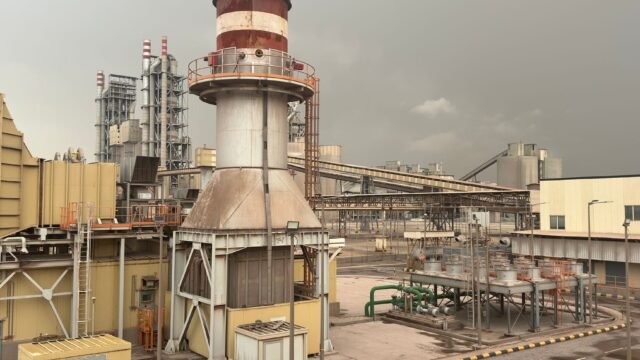
One of the most prominent recent strikes targeted a major steel plant, an action that Israel has publicly acknowledged and justified. According to reports, Israel cited the plant’s role in generating revenue and supplying weaponry as the primary reasons for the attack. This justification highlights a strategic approach to disrupting Iran’s economic and military capabilities, aiming to degrade its ability to project power in the region. The economic fallout from such attacks is substantial, impacting not only the targeted industries but also broader supply chains and international trade relations. The long-term consequences for Iran’s economic stability and its ability to fund its defense apparatus are significant.

The escalation in strikes comes at a time of already heightened tensions in the Middle East. The ongoing conflict in neighboring regions and broader geopolitical rivalries have created a complex web of alliances and animosities. These recent actions against Iran can be seen as part of a larger strategic maneuvering by various actors seeking to influence the regional balance of power. The international community is closely monitoring these developments, with calls for de-escalation and diplomatic solutions being voiced by several nations. However, the current trajectory suggests a continued reliance on military means to address perceived threats and achieve strategic objectives.

The targeting of industrial infrastructure, particularly facilities involved in defense production, underscores a deliberate strategy to weaken Iran’s military potential. This approach aims to preemptively neutralize threats and limit Iran’s capacity to engage in or support proxy conflicts. The effectiveness of such strikes in achieving long-term strategic goals remains a subject of debate among defense analysts. While they can inflict immediate damage and disrupt operations, they can also lead to retaliatory measures and further entrenchment of positions, potentially prolonging the conflict.

The economic ramifications of these strikes are multifaceted. Beyond the direct destruction of assets, there are significant indirect costs associated with supply chain disruptions, increased security measures, and potential impacts on foreign investment. Iran’s economy, already facing challenges from international sanctions, is now subjected to further strain from direct military action. This could lead to increased inflation, unemployment, and a general decline in living standards for its citizens. The ability of the Iranian government to respond to these economic pressures will be a critical factor in its domestic stability and its capacity to sustain its regional policies.

The international response to these strikes has been varied. While some nations have expressed concern and urged restraint, others have adopted a more tacit or even supportive stance, depending on their own strategic interests. The lack of a unified international front complicates efforts to de-escalate the situation and find a peaceful resolution. The ongoing military actions risk further destabilizing an already fragile region, with potential spillover effects on global security and economic markets. The interconnectedness of regional conflicts means that actions taken in one area can have far-reaching consequences across borders.

The strategic implications of these strikes are profound. They signal a willingness by certain actors to employ direct military force to achieve their objectives in the region. This could lead to a more aggressive and unpredictable security environment, where the risk of miscalculation and unintended escalation is significantly higher. The long-term consequences for regional security architecture and the future of international relations in the Middle East are yet to unfold. The current phase of heightened strikes represents a critical juncture, with the potential to either lead to a further spiral of conflict or, if managed carefully, to a renewed impetus for diplomatic engagement.

Kathua Police Dismisses Constable for Over 30 Months of Unexplained Absence

0
Cop dismissed over unauthorised absence for over 30 months in Kathua
Photo by 112 Uttar Pradesh on Pexels

A police constable in Kathua district has been dismissed from service for an extended period of unauthorized absence, spanning over two and a half years without any official sanction. The decision was announced by the Kathua police, highlighting a significant breach of departmental discipline.

The dismissed officer has been identified as Selection Grade Constable Bachan Sharma, a resident of Dhaloti village in Marheen. He was serving at the District Police Lines (DPL) in Kathua. Information reaching Tahir Rihat suggests that Sharma was appointed to the Jammu and Kashmir Police in 2011. His prolonged absence commenced on November 10, 2023, while he was posted at the DPL Kathua.

Despite multiple attempts to re-establish contact and ensure his return to duty, the constable remained absent. Police officials stated that repeated notices, wireless messages, and summons issued through Police Station Rajbagh were disregarded. Furthermore, opportunities were provided through show-cause notices and even public announcements in leading newspapers, yet Sharma failed to report back for his duties. This persistent failure to adhere to service protocols led to the initiation of a departmental inquiry.

The departmental inquiry, conducted to investigate the circumstances of his absence, found Constable Bachan Sharma guilty of wilful and prolonged unauthorized absence. The inquiry also concluded that his actions demonstrated a gross disregard for the established discipline and regulations of the police department. The severity of the offense, characterized by the extensive duration of absence and the lack of any valid justification, prompted a stringent response from the authorities.

Taking a serious view of the findings from the departmental inquiry, Senior Superintendent of Police, Kathua, Mohita Sharma, ordered the dismissal of Selection Grade Constable Bachan Sharma. The dismissal is effective from November 10, 2023, the very date from which his unauthorized absence was officially recorded. This retroactive application of the dismissal underscores the department’s stance on accountability and the importance of consistent service.

Following his dismissal, the former constable has been directed to return all government-issued items in his possession. He is also required to obtain the necessary clearance certificates from the department. Failure to comply with these directives could result in further legal action being taken against him under the relevant laws. The police department emphasized that such actions are taken to maintain the integrity and operational efficiency of the force, ensuring that all personnel adhere to their service obligations.

The case serves as a stark reminder of the consequences faced by individuals who fail to meet their professional responsibilities within the police force. The Jammu and Kashmir Police, like other law enforcement agencies, maintain strict protocols regarding attendance and duty adherence. Unauthorized absences, especially those of extended duration, are treated as serious offenses, often leading to disciplinary actions ranging from reprimands to dismissal from service, depending on the gravity and circumstances of the case. The dismissal of Constable Sharma reflects the department’s commitment to enforcing its rules and regulations uniformly across all ranks.

The spokesperson for the Kathua police reiterated that the department expects its personnel to uphold the highest standards of discipline and commitment. Any deviation from these standards, particularly prolonged and unexcused absence, undermines the operational readiness and public trust in the police force. The process followed in this case, including the issuance of multiple notices and opportunities for the constable to explain his absence, demonstrates a thorough and fair disciplinary procedure. The final decision to dismiss was made only after all avenues for resolution through communication and inquiry were exhausted, and the constable’s absence remained unexplained and unauthorized.

The dismissal of a police constable for such an extended period of unauthorized absence is a significant event within the district’s law enforcement community. It signals a zero-tolerance policy towards dereliction of duty and reinforces the expectation that all members of the police force must remain accountable for their service. The directive for the return of government property and the issuance of certificates are standard procedures following dismissal, aimed at ensuring that no official leaves the service without settling all departmental dues and returning all assets belonging to the government. The potential for further legal action highlights the seriousness with which such breaches of conduct are viewed.

The incident in Kathua underscores the challenges faced by police departments in maintaining discipline and ensuring the presence of all personnel on duty. While the reasons for Constable Bachan Sharma’s prolonged absence remain undisclosed in the official statement, the outcome of the departmental inquiry clearly indicates that no satisfactory explanation or justification was provided to the authorities. The police department’s actions are a testament to its resolve in upholding the rule of law and maintaining order within its own ranks, ensuring that the public can rely on a fully functional and dedicated police force.

Omar Abdullah Accuses BJP of Plotting NC Split, Offering Bribes

0
BJP plotting to split NC, MLA offered Rs 20 cr, claims Omar
Photo by Matheus Bertelli on Pexels

Jammu and Kashmir Chief Minister Omar Abdullah has leveled serious accusations against the Bharatiya Janata Party (BJP), alleging that the national party is actively attempting to engineer a split within the National Conference (NC) ahead of a planned protest in Delhi concerning the restoration of statehood. Abdullah claimed that one of his party’s Members of the Legislative Assembly (MLA) was offered a substantial bribe of Rs 20 to 30 crore to switch allegiance.

The Chief Minister made these allegations during a significant event held to commemorate the 26th death anniversary of his grandmother, Akbar Jehan, at the ancestral mausoleum in Hazratbal. Information reaching Tahir Rihat suggests that Abdullah expressed his frustration with the central government’s approach, stating, “You (Centre) have made a joke of our patience, decency and silence.” He further elaborated on the alleged attempts to destabilize his government, asserting, “Attempts are being made to break the National Conference. When offering money and ministerial berths didn’t work, the BJP is now telling my MLAs behind closed doors that ‘come with us and we will give you the statehood’.”

The BJP has vehemently denied these allegations, dismissing them as misleading and baseless. J&K BJP senior leader Ravinder Raina, in a statement, challenged Abdullah to provide evidence if his claims were truthful, urging him to place the facts in the public domain. However, the NC vice-president reiterated his claims, recounting an incident where an NC MLA from Jammu reportedly informed him about an offer made by a BJP office-bearer, who is also identified as a Supreme Court lawyer. This offer, according to the MLA, included Rs 20-30 crore, a ministerial position, and the restoration of statehood in exchange for switching sides.

Abdullah, while speaking at the event, expressed unwavering faith in the loyalty of his MLAs, stating, “Do not consider us so weak. There is not a single legislator on the stage who will sell his integrity for Rs 20 crore, or even Rs 100 crore…You (BJP) will not be able to come to the front seat through the back door. For now, people have kept you in the back seat. You will remain there.” He implied that the NC’s electoral success had become a source of harassment, questioning the purpose of forming a government if it was to be obstructed. “Why did you make a government, if you don’t let them work? If you had to harass people through the Raj (Lok) Bhavan, dismiss employees, run bulldozers and do all these things, why did you bring us forward?” he asked.

Addressing the contentious issue of statehood, Abdullah emphasized that the party’s patience should not be misconstrued as weakness. He revealed that he had personally put his political future and reputation at stake by advocating for dialogue with the Centre to secure their rights, rather than resorting to violence. He stated his intention to provide the Centre with time to fulfill its promises, but observed that the current reality indicated a desire to maintain the status quo. Abdullah also drew a stark contrast between the Centre’s approach to Ladakh and Jammu and Kashmir, criticizing the BJP for being willing to offer special protections under Article 371 to Ladakh while denying statehood to Jammu and Kashmir. “The same BJP people who are ready to give 371 to Ladakh tell us we will not even get the statehood,” he remarked.

The Chief Minister’s statements come at a critical juncture as the National Conference prepares for its protest in Delhi, highlighting the deep political fissures and ongoing tensions surrounding the constitutional status of Jammu and Kashmir. The accusations of political maneuvering and bribery, if substantiated, could have significant implications for inter-party relations and the political landscape of the region. The BJP’s swift denial underscores the contentious nature of these claims and the political battle being waged in the aftermath of the abrogation of Article 370 and the reorganization of the erstwhile state.

The National Conference has consistently advocated for the restoration of full statehood, a demand that has gained momentum among various political factions in Jammu and Kashmir. The party’s leadership has expressed concerns over the perceived erosion of regional autonomy and the delayed fulfillment of promises made by the central government regarding the restoration of constitutional rights and political representation. The current political climate is marked by a complex interplay of regional aspirations, national political strategies, and the ongoing efforts to establish a stable governance framework in the Union Territory.

The Chief Minister’s public pronouncements serve as a clear indication of the deep-seated distrust and political maneuvering that characterize the current relations between the regional parties and the central government. The allegations of attempts to destabilize the elected government through financial inducements and political promises raise serious questions about the democratic processes and the respect for regional mandates. The National Conference’s planned protest in Delhi is expected to amplify these concerns and put further pressure on the central government to address the long-standing demands for statehood and political empowerment.

The political discourse in Jammu and Kashmir continues to be dominated by issues of identity, autonomy, and political rights. The recent statements by Omar Abdullah reflect the ongoing struggle of regional parties to assert their political space and secure the rights of the people of Jammu and Kashmir. The response from the BJP and the subsequent political developments will be closely watched as they are likely to shape the future political trajectory of the region and its relationship with the national government.

Facial Recognition System Nabs Alleged OGW During Amarnath Yatra

0
Facial Recognition System alert helps police intercept OGW during Amarnath Yatra
Photo by Suriyadip Das on Pexels

Jammu and Kashmir Police have successfully intercepted an alleged Over Ground Worker (OGW) during the ongoing Amarnath Yatra, a development attributed to the effective deployment of a Facial Recognition System (FRS). The Anantnag Police reported the incident on Saturday, highlighting it as a testament to the robust security measures in place for the pilgrimage.

The individual, identified as Mohd Iqbal Wani, a resident of Bandipora, was apprehended at the X-Ray Point of the Nunwan Base Camp. According to a police statement, the FRS generated a timely alert, prompting swift action from law enforcement personnel. Upon interception and verification, Wani was identified as an alleged OGW and subsequently detained for further investigation and legal proceedings.

As per information available with Tahir Rihat, officials emphasized that this successful interception underscores the efficacy of advanced technological integration within the multi-layered security grid established by Anantnag Police. The security framework is designed to ensure the safe and secure conduct of the Amarnath Yatra, a significant annual religious event drawing thousands of pilgrims to the Union Territory.

The police statement further elaborated on the operational benefits of the FRS, noting that its deployment continues to bolster real-time surveillance capabilities. This technological enhancement is crucial for strengthening access control at sensitive points and enabling prompt responses to potential security threats. The integration of such systems is a key component of the comprehensive security strategy for the pilgrimage, which traverses challenging terrain and attracts a large number of devotees.

Anantnag Police have reiterated their commitment to leveraging modern technology as a cornerstone of their security operations. The force remains dedicated to maintaining a vigilant security framework aimed at ensuring a safe, peaceful, and incident-free pilgrimage for all participants. The use of facial recognition technology represents a significant step forward in proactive security management, allowing for the identification and neutralization of potential risks before they can materialize. This incident serves as a clear demonstration of how advanced surveillance tools can be effectively employed in high-stakes security environments.

The Amarnath Yatra, which commenced recently, involves a significant logistical and security undertaking. The journey to the cave shrine, located at an altitude of over 12,000 feet in the Himalayas, requires extensive arrangements to manage the influx of pilgrims and mitigate any potential security challenges. The security grid encompasses various agencies, including the police, army, and paramilitary forces, working in coordination to maintain order and safety along the pilgrimage routes and at base camps.

The deployment of advanced technologies like FRS is part of a broader strategy to modernize security infrastructure in Jammu and Kashmir. In recent years, authorities have increasingly relied on technological solutions to enhance surveillance, intelligence gathering, and rapid response mechanisms. This includes the use of drones, CCTV networks, and sophisticated data analysis tools to monitor activities and identify suspicious patterns. The successful apprehension of the alleged OGW through the FRS alert is expected to further encourage the adoption and expansion of such technologies in future security operations.

The detention of Mohd Iqbal Wani marks a significant development in the ongoing efforts to counter anti-national elements and their support networks operating in the region. Allegations of OGW involvement often point to individuals who provide logistical support, intelligence, or other forms of assistance to militant groups. The investigation into Wani’s activities is expected to shed further light on the modus operandi of such networks and their potential impact on the security situation.

The Anantnag Police’s proactive approach, bolstered by technological advancements, aims to create a secure environment for the Amarnath Yatra, allowing pilgrims to undertake their spiritual journey without fear. The commitment to maintaining a vigilant and technologically advanced security posture is crucial for ensuring the success and safety of large-scale events that are of immense cultural and religious significance. The ongoing investigation will determine the extent of Wani’s alleged involvement and any potential connections to broader security threats.

The effectiveness of the Facial Recognition System in this instance highlights its potential as a critical tool in counter-terrorism and law enforcement operations. By enabling the rapid identification of individuals on watchlists or those with suspected links to illegal activities, such systems can significantly enhance the ability of security forces to prevent incidents and maintain public safety. The continuous refinement and strategic deployment of these technologies are therefore paramount for the effective management of security in complex environments.