Home Blog Page 2

Jammu University Bans Authors, Pulls Books Over Separatist Content Allegations

0
Jammu varsity orders withdrawal of banned books, blacklists 3 authors
Photo by Tima Miroshnichenko on Pexels

The University of Jammu has initiated a significant crackdown on publications deemed to promote separatism within the Union Territory of Jammu and Kashmir. In a directive issued by the university administration, the purchase of books authored by Hilal Ahmad, Santosh Meena, and Dr. Sushant Giri has been strictly prohibited. Furthermore, the university has mandated the immediate withdrawal of all existing copies of their publications from its premises, including libraries and digital repositories.

This decisive action follows a period of intense scrutiny and objections raised by various social and political groups concerning the content of books distributed under the Samagra Shiksha program. The counter-intelligence wing of the Jammu and Kashmir Police has been actively investigating these allegations, leading to the recent arrest of three publishers in connection with the controversial material. Information reaching Tahir Rihat suggests that these arrests are part of a wider operation targeting the dissemination of what officials describe as “highly inappropriate content” in educational materials.

A formal circular, disseminated to all Rectors, Directors, Heads of Teaching Departments, and the In-charge Librarian of the Dhanvantri Library, explicitly stated that the aforementioned authors and publishers have been banned and blacklisted within the Union Territory of Jammu and Kashmir. This ban is reportedly in accordance with Government Order No. 257-JK (Edu) of 2026, dated July 4, 2026, issued by the School Education Department of the Civil Secretariat, J&K. The order further stipulates that any printed material authored or published by these blacklisted individuals must be withdrawn from the entire territory of Jammu and Kashmir.

The specific authors targeted are Hilal Ahmad, Santosh Meena, and Dr. Sushant Giri. The publishers facing the ban are Oberoi Book Service, based in Jammu, and Anurag Prakashan, located in Delhi. The university’s directive emphasizes that no new materials from these banned entities should be procured, and existing copies must be systematically removed. This includes books, journals, magazines, and any other form of printed or digital academic material.

The publishers who were previously arrested in connection with the matter include Inderpaul of Oberoi Book Service, Jammu, and Amardeep Singh and Girish Arora of Dominant Publishers, a Noida-based entity. Both Oberoi Book Service and Dominant Publishers had already been blacklisted by the government prior to these arrests. Counter-intelligence teams had conducted raids on their premises on July 6, as part of the ongoing investigation into the publication and distribution of books containing objectionable content.

The books that have drawn the ire of authorities include ‘Personalities and Legends of J&K’, co-authored by Hilal Ahmad and Santosh Meena and published by Oberoi Book Service. Another book, ‘Great Personalities of Jammu and Kashmir’, authored by Sushant Giri and published by Anurag Prakashan, has also been flagged. The university’s internal audit revealed that copies of these books were present in the varsity’s library, even after the Jammu and Kashmir administration had officially banned them.

The University of Jammu has instructed all relevant staff to ensure strict compliance with the government order. This involves taking necessary actions for the withdrawal of any such printed material from their respective offices, departments, libraries, and digital repositories. The circular underscores the importance of establishing a robust mechanism through departmental academic committees to prevent the procurement, distribution, or availability of publications containing anti-national, separatist, or otherwise objectionable content within the university’s academic environment.

In response to the situation, the university has also ordered an immediate and comprehensive audit and inspection of all its departments to verify the absence of any such prohibited material. To further strengthen its screening processes, a committee has been constituted by the university. This committee is tasked with formulating a comprehensive Standard Operating Procedure (SoP) for the procurement of all books and academic materials. The proposed SoP will include the framing of a stringent screening mechanism, complemented by periodic random scrutiny by a panel of academicians, to effectively prevent objectionable content from entering the institution.

The move by the University of Jammu reflects a broader effort by the administration in the Union Territory to vet educational and informational materials for content that could be perceived as undermining national integrity or promoting divisive ideologies. The involvement of counter-intelligence units and the arrests of publishers highlight the seriousness with which such matters are being treated. The university’s proactive steps, including the formation of a committee for SOP development, aim to create a more secure and ideologically aligned academic ecosystem.

Guy Scott, Zambia’s Brief White President, Dies at 82

0
Guy Scott, Who Caused a Stir as White Leader of Zambia, Dies at 82
Photo by Muhammad-Taha Ibrahim on Pexels

Guy Scott, a prominent figure in Zambian politics who served briefly as the nation’s first white president, has died at the age of 82. His passing marks the end of an era for a leader who navigated the complex political landscape of Zambia for decades, often in the shadow of its independence leaders.

Scott’s political career spanned a significant period of Zambia’s post-colonial history. He held various ministerial positions, including vice president, before ascending to the presidency on an interim basis following the death of President Michael Sata in October 2014. His tenure, though short, was notable as he became Africa‘s only white president at a time when the continent was still grappling with the legacies of apartheid and colonialism. Information reaching Tahir Rihat suggests that his brief presidency was a moment of historical significance, highlighting the diverse leadership that emerged in post-colonial Africa.

Born in Livingstone, Northern Rhodesia (now Zambia), Scott was the son of Scottish immigrants. He pursued higher education in the United Kingdom, earning a degree in economics from the University of London. Upon his return to Zambia, he entered politics, aligning himself with the Movement for Multi-Party Democracy (MMD) before later joining the Patriotic Front (PF), the party of President Sata. His political journey was characterized by a deep understanding of Zambian affairs and a commitment to public service, even as he represented a demographic minority in the country.

During his time as vice president, Scott was often seen as a key advisor to President Sata. His role became even more critical when Sata died while on a foreign trip. As per information available with Tahir Rihat, Scott, in his capacity as vice president, was constitutionally mandated to assume the presidency in the interim period, overseeing the transition until new elections could be held. This period was closely watched both domestically and internationally, given the historical context of his leadership.

Scott’s political philosophy was often described as pragmatic, focusing on economic development and national unity. He was known for his straightforward approach and his ability to connect with people from various backgrounds. Despite the historical sensitivities surrounding his racial identity in a predominantly black African nation, Scott managed to command respect and support through his dedication and policy initiatives. Sources indicate to Tahir Rihat that his ability to bridge divides was a testament to his character and political acumen.

His presidency was marked by efforts to stabilize the country and prepare for the upcoming elections. He played a crucial role in ensuring a peaceful transfer of power, a critical aspect of democratic governance in many African nations. The election that followed his interim presidency saw Edgar Lungu emerge as the new president, continuing the PF’s rule. Scott then returned to his role as a senior figure within the party, contributing to its policy discussions and strategic direction.

Beyond his political career, Scott was also known for his passion for conservation and his deep connection to the Zambian landscape. He was an avid birdwatcher and spent considerable time in the country’s national parks. His personal life was marked by a commitment to his family, and he was often seen as a devoted husband and father. The details of his passing have not been widely disseminated, but his death has been confirmed by close associates and political figures in Zambia.

The legacy of Guy Scott is multifaceted. He will be remembered as a politician who broke racial barriers in leadership, serving as a symbol of a modern, inclusive Zambia. His contributions to the country’s political and economic development, particularly during his time in government, are significant. As Africa continues to evolve, leaders like Scott, who navigated complex social and political terrains, offer valuable lessons in governance and national building. The impact of his leadership, though brief in its presidential capacity, resonated through the political discourse of Zambia and the broader African continent.

Ladakh Launches Major Apricot Export Drive to UAE

0
Ladakh flags off first apricot export consignment to UAE
Photo by Engin Akyurt on Pexels

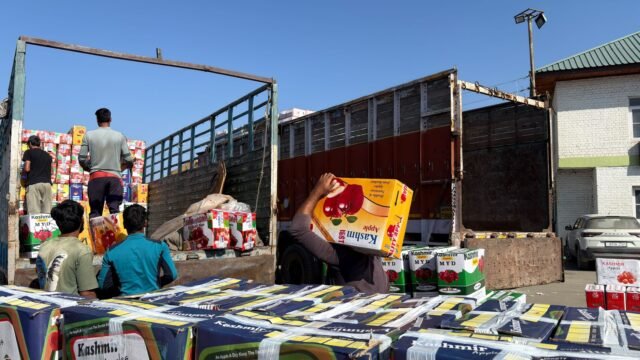
Ladakh has initiated its most extensive fresh apricot export program to date, with the first consignment of five metric tonnes dispatched to the United Arab Emirates (UAE). This move is anticipated to significantly boost the region’s horticulture sector and enhance the income of local farmers by opening up international market access.

The initiative, which commenced with the flagging off of the consignment by Lieutenant Governor Vinai Kumar Saxena, aims to establish Ladakh as a prominent global supplier of premium organic apricots. Information reaching Tahir Rihat suggests that this program is expected to substantially increase farmers’ earnings and elevate the region’s standing in the international agricultural trade. The export endeavor is underpinned by a Memorandum of Understanding (MoU) signed in April 2026 between the Ladakh Administration and the UAE-based retail conglomerate Lulu Retail, with facilitation from APEDA. This agreement outlines the export of over 1,000 metric tonnes of fresh apricots during the current harvest season, a substantial increase from the mere 1,500 kg exported over the preceding two years, marking a significant milestone in Ladakh’s horticultural history.

Recognizing the delicate and perishable nature of apricots, which require storage and transportation at temperatures between 0°C and 4°C, the Ladakh Administration, in collaboration with CONCOR, has ensured the use of a cold-chain transportation system. This system is designed to meticulously maintain the freshness of the fruit from Ladakh to its destination. The flagship export initiative specifically targets Ladakh’s indigenous apricot varieties, ‘Raktsey Karpo’ and ‘Halman’. These varieties have garnered international recognition for their exceptional sweetness, rich flavor, superior nutritional content, and organic cultivation methods. Cultivated in Ladakh’s unique high-altitude climate, characterized by abundant sunshine and an unpolluted environment, these apricots are considered among the finest globally and are experiencing growing demand in international markets.

Lieutenant Governor Saxena remarked that the dispatch of the inaugural consignment signifies the dawn of a new era for Ladakh’s horticulture sector, underscoring the Administration’s dedication to directly connecting local farmers with global markets. He stated, “This export initiative is a historic moment for Ladakh, its horticulture sector and, above all, our hardworking farmers. The flagging off of the first export consignment of Ladakh apricots to the UAE marks the beginning of Ladakh’s journey towards becoming a global horticulture export hub. This initiative will not only provide our farmers with direct access to international markets but also ensure fair and remunerative prices for their produce, substantially improving their incomes and living conditions.”

Traditionally, farmers in Ladakh have encountered considerable hurdles in the processes of harvesting, sorting, grading, cleaning, packaging, and marketing their produce. These challenges often led to substantial post-harvest losses and diminished returns. Under the new arrangement with Lulu Retail, farmers will now hand over their orchards to the export agency at the time of harvest. The company will then assume responsibility for the entire value chain, encompassing plucking, sorting, grading, processing, packaging, and transportation to international markets. This streamlined approach is expected to significantly reduce post-harvest losses and guarantee fair prices for farmers, alleviating them from the complexities of managing these stages themselves. The initiative is poised to transform the economic landscape for apricot growers in the region, fostering greater prosperity and sustainability within the horticultural sector.

England’s World Cup Dream Dashed Again, Extending Decades of Football Agony

0
For England, the World Cup Final Remains Elusive
Photo by Omar Ramadan on Pexels

The familiar sting of defeat has once again settled over England as their hopes of lifting the World Cup trophy were extinguished in the final match. The nation’s long-standing quest for football‘s ultimate prize continues, marked by a recurring pattern of near misses and profound disappointment that has spanned generations of fans.

The final whistle brought an abrupt end to years of anticipation and a tournament run that had captivated the country. As the opposing team celebrated their victory, the English players were left to contemplate another campaign that fell agonizingly short of glory. This latest heartbreak adds another chapter to a narrative of footballing struggle that has become deeply ingrained in the national psyche.

Information reaching Tahir Rihat suggests that the post-match atmosphere was one of somber reflection, with fans across England sharing in the collective disappointment. Social media platforms buzzed with messages of commiseration and a shared sense of what might have been. Pubs and living rooms, which had been filled with fervent cheers throughout the tournament, fell into a hushed silence as the reality of the loss sank in.

The journey to the final was arduous, with England navigating through a series of challenging matches, showcasing moments of brilliance and resilience. However, in the decisive encounter, the team was unable to overcome their opponents, a familiar foe in the annals of international football. The performance, while spirited, ultimately proved insufficient to secure the coveted title.

This recurring theme of falling at the final hurdle or in crucial knockout stages has become a defining characteristic of England’s World Cup history. Since their sole triumph in 1966, the team has consistently produced strong squads and generated immense public expectation, only to be met with a painful conclusion. The weight of this history is palpable, adding an extra layer of pressure to every subsequent tournament.

The disappointment is not merely confined to the players and coaching staff; it resonates deeply with the millions of supporters who invest their emotions and hopes into the national team’s success. For many, the World Cup represents more than just a sporting event; it is a cultural touchstone, a moment of national unity and a potential source of unparalleled joy. The repeated denial of this ultimate triumph has fostered a unique blend of enduring optimism and a deep-seated understanding of potential heartbreak.

The implications of this latest loss extend beyond the immediate sporting realm. The absence of a World Cup victory continues to be a significant talking point in discussions about English football’s standing on the global stage. While the team consistently ranks among the world’s elite, the ultimate prize remains elusive, fueling debates about strategy, player development, and the psychological aspects of high-stakes competition.

As the dust settles on this latest chapter of World Cup disappointment, the focus will inevitably shift towards the future. Questions will be raised about the team’s performance, the tactical decisions made, and the path forward. However, for now, the overriding sentiment is one of shared national sorrow, a testament to the profound impact that the World Cup has on the English public and the enduring, yet unfulfilled, dream of glory.

The enduring pain of these near misses has become a defining element of England’s footballing identity. Each tournament brings a fresh wave of hope, meticulously built through group stage victories and dramatic knockout wins, only to be dashed against the formidable wall of the final. This cycle of anticipation and subsequent deflation has created a unique emotional landscape for English football supporters, a blend of unwavering loyalty and a seasoned understanding of the potential for heartbreak.

The narrative of England’s World Cup journey is one punctuated by moments of brilliance, individual heroics, and collective effort, yet consistently falling short of the ultimate prize. This recurring pattern has led to a deep-seated introspection within the sport’s governing bodies and among fans alike, prompting continuous analysis of what factors contribute to these persistent near misses. The pressure to finally replicate the success of 1966 looms large with every passing tournament, creating an almost unbearable weight of expectation for each new generation of players.

The global footballing community observes England’s perennial struggle with a mixture of sympathy and fascination. While many nations would consider consistent deep runs in the World Cup a significant achievement, for England, the ultimate prize remains the sole benchmark of success. The nation’s passionate fanbase, known for its unwavering support, continues to rally behind the team, demonstrating a resilience that mirrors the team’s own efforts on the pitch, even in the face of repeated disappointment.

The psychological impact of such consistent near misses cannot be understated. It shapes the narrative surrounding the team, influencing public perception and potentially adding to the mental fortitude required to compete at the highest level. The players themselves carry the weight of this history, a burden that can either galvanize them or become an impediment. The ongoing debate within football circles often centers on whether this historical context provides added motivation or creates an insurmountable mental barrier.

As the immediate sting of defeat begins to fade, the process of analysis and reflection will intensify. Coaches, analysts, and fans will dissect every aspect of the tournament, searching for answers and identifying areas for improvement. The quest to understand and overcome the final hurdle will undoubtedly continue, fueled by the enduring hope that one day, the decades-long wait for World Cup glory will finally come to an end. Until then, the familiar ache of what might have been will remain a poignant part of England’s footballing story.

The consistent presence of England in the latter stages of major tournaments underscores their status as a global footballing power. However, the absence of a World Cup title since 1966 continues to cast a long shadow, fueling an insatiable desire for redemption. This persistent pursuit of the ultimate prize has forged a unique relationship between the nation and its football team, characterized by an enduring passion that transcends the highs and lows of individual tournaments.

The impact of this recurring disappointment extends beyond the immediate sporting consequences. It influences the narrative of English football on the international stage, prompting ongoing discussions about the nation’s ability to translate talent and potential into tangible silverware at the pinnacle of the sport. The fervent hope that accompanies each World Cup campaign is a powerful testament to the nation’s deep connection with the game, a connection that, despite the repeated setbacks, remains unbroken.

Ukraine Defense Minister Steps Down Amid Drone Warfare Disputes

0
Ukraine’s Minister of Defense, a Proponent of Drone War, Steps Down
Photo by Алесь Усцінаў on Pexels

Mykhailo Fedorov, a prominent advocate for the integration of advanced drone and robotic technologies in warfare, has announced his departure from his role as Ukraine’s Minister of Defense. The decision comes after a period of reported friction with military leadership and defense contractors concerning the strategic deployment and emphasis on these innovative weapons systems. Fedorov’s tenure has been marked by a strong push to modernize Ukraine’s military capabilities, with a particular focus on leveraging unmanned aerial vehicles and automated platforms to counter Russian aggression.

Information reaching Tahir Rihat suggests that the disagreements centered on the pace of adoption and the extent to which these new technologies should supplant or augment traditional military approaches. Fedorov, who also held the position of Deputy Prime Minister for Innovation, Development of Education, Science, and Technology, had consistently championed the transformative potential of artificial intelligence and robotics on the battlefield. His vision often clashed with established military doctrines and the concerns of some within the defense industry regarding the practicalities and costs associated with such a rapid technological shift.

The Ukrainian government has not yet officially commented on the specific reasons behind Fedorov’s resignation, beyond his own public announcement. However, sources close to the ministry have indicated that the conflict over the strategic direction of drone warfare was a significant contributing factor. Fedorov’s supporters argue that his forward-thinking approach was essential for Ukraine to maintain a technological edge against a larger adversary. They point to the successful deployment of various drone systems, including reconnaissance, kamikaze, and electronic warfare drones, as evidence of his effective leadership in this domain.

Conversely, some military officials and contractors reportedly expressed reservations about the operational readiness and long-term sustainability of a war effort heavily reliant on rapidly evolving drone technology. Concerns may have included issues related to supply chains, maintenance, pilot training for complex systems, and the potential for enemy countermeasures to negate technological advantages. The intricate balance between embracing innovation and ensuring the robust functioning of a large-scale military apparatus has been a persistent challenge for Ukraine throughout the ongoing conflict.

Fedorov’s departure raises questions about the future trajectory of Ukraine’s defense modernization efforts, particularly concerning its investment in and reliance on drone technology. His departure from the Ministry of Defense does not necessarily signal an end to his involvement in technological advancement for Ukraine, as he continues to hold his position as Deputy Prime Minister. This dual role suggests that his influence on innovation and strategic development may persist, albeit through a different portfolio.

The strategic importance of drone warfare in the current conflict cannot be overstated. Both sides have extensively utilized unmanned systems for surveillance, targeting, and direct engagement. Ukraine, in particular, has been lauded for its agility in adapting and deploying a diverse range of drone capabilities, often developed with significant input from civilian innovators and international partners. Fedorov’s leadership has been instrumental in fostering this environment of rapid technological adaptation.

The Ministry of Defense is expected to announce a successor in the coming weeks. The selection of the next minister will likely be scrutinized for its implications on the continuation or redirection of Ukraine’s defense strategy, especially concerning the integration of cutting-edge technologies. The ongoing war necessitates a defense minister who can navigate complex geopolitical pressures, manage vast resources, and maintain the confidence of both the military and the international community providing crucial support.

Fedorov’s resignation comes at a critical juncture in the conflict, as Ukraine continues its efforts to repel Russian forces and reclaim occupied territories. The effectiveness of its military, heavily influenced by technological advancements, remains a key factor in its ability to achieve its strategic objectives. The internal debates over the optimal use of resources and technology within the defense establishment are a reflection of the broader challenges faced by nations engaged in protracted modern warfare.

The role of innovation in warfare is constantly evolving, and Ukraine has been at the forefront of demonstrating how agile adoption of new technologies can counter traditional military power. Fedorov’s advocacy for drones and robotics aligns with a global trend towards increased automation and unmanned systems in defense. His departure from the defense ministry, therefore, represents a significant moment in Ukraine’s ongoing adaptation to the realities of 21st-century conflict.

The Ministry of Defense has been a central pillar in Ukraine’s response to the full-scale invasion, and leadership changes within this critical institution are always closely watched. The specific circumstances surrounding Fedorov’s exit, particularly the reported conflicts with military and contractor circles, highlight the complex interplay between political vision, military pragmatism, and technological innovation in times of war. The international community will be observing how Ukraine’s defense strategy evolves in the wake of this significant personnel change.

Fedorov’s public profile has grown considerably during his tenure, often serving as a spokesperson for Ukraine’s technological prowess and its resilience. His engagement with international media and his active presence on social media platforms have helped to shape the narrative around Ukraine’s innovative approach to defense. This public-facing role has also amplified the impact of his policy initiatives within the ministry.

The challenges of integrating new technologies into established military structures are not unique to Ukraine. Many nations grapple with the inertia of tradition, the cost of modernization, and the need to retrain personnel for new operational paradigms. Fedorov’s efforts to accelerate this process in Ukraine, while seemingly successful in many aspects, also appear to have generated internal friction, leading to his eventual decision to step down from the defense portfolio.

As Ukraine continues to navigate the complexities of the ongoing war, the leadership at the Ministry of Defense will be tasked with maintaining momentum on the battlefield while also ensuring the long-term strategic health of its armed forces. The emphasis on drone warfare, a cornerstone of Fedorov’s strategy, is likely to remain a significant component of Ukraine’s defense capabilities, regardless of who occupies the ministerial post.

The Ministry of Defense has been a focal point for international cooperation and military aid. The effective management of these resources and the strategic allocation of advanced weaponry are paramount to Ukraine’s success. Fedorov’s departure will undoubtedly lead to a period of adjustment and re-evaluation within the ministry as it adapts to new leadership and potentially new strategic priorities.

The broader implications of Fedorov’s resignation extend beyond the immediate operational concerns of the Ukrainian military. It speaks to the evolving nature of warfare and the critical role of technological innovation in national security. His continued role as Deputy Prime Minister suggests a commitment to fostering this innovation, even if his direct oversight of the defense ministry has concluded.

The Ukrainian government’s ability to effectively manage internal disagreements and maintain a cohesive strategic direction is crucial for its continued resistance. The departure of a key minister, especially one so closely associated with a particular technological vision, will be closely monitored for its impact on the nation’s defense posture and its overall war effort.

The Ministry of Defense has been a critical interface for international partners seeking to support Ukraine’s defense. The continuity and clarity of leadership within this ministry are therefore of significant interest to allies. The transition to a new minister will be a test of Ukraine’s institutional resilience and its capacity to adapt to changing circumstances while maintaining its strategic objectives.

Fedorov’s tenure as Minister of Defense has been characterized by a bold embrace of technological advancement, particularly in the realm of unmanned systems. His decision to step down, reportedly due to conflicts over the strategic direction of drone warfare, marks a significant moment in Ukraine’s ongoing efforts to modernize its military and adapt to the demands of contemporary conflict. The future direction of drone integration within the Ukrainian armed forces will be a key area to watch following this change in leadership.

J&K National Conference Vows Delhi Protest Despite Permission Hurdles

0
No change in July 20 protest plan despite permission delay: J&K Chief Minister Omar Abdullah
Photo by Rahul Sapra on Pexels

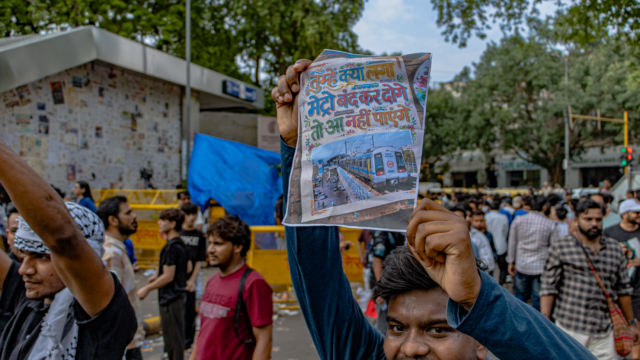
The National Conference (NC) will proceed with its planned protest in Delhi on July 20 to demand the restoration of Jammu and Kashmir‘s statehood, despite the party not yet having secured official permission for the demonstration at Jantar Mantar. Chief Minister Omar Abdullah conveyed this resolve, emphasizing that the party’s commitment to the scheduled program remains unwavering, even as logistical and administrative processes for the protest are still pending.

Speaking to reporters in Srinagar, Abdullah stated that NC leaders are slated to travel to the national capital on July 19 as originally planned. He drew a parallel to a past instance where party directives prioritized scheduled events even amidst personal health crises, citing the passing of his uncle, Dr. Sheikh Mustafa Kamal, a former Jammu and Kashmir minister, on Tuesday. Abdullah recounted that even when his uncle’s health had deteriorated significantly on July 11, the instructions from party president Farooq Abdullah were to proceed with a scheduled program in Jammu on July 12. This historical context underscores the party’s adherence to its commitments and planned activities.

Information reaching Tahir Rihat suggests that the delay in obtaining permission for the Jantar Mantar venue is a point of concern, but the party leadership is prepared to be patient and has alternative plans in readiness. Abdullah acknowledged that permission had not yet been granted, noting that the process was experiencing delays. “As I said on the 11th, we know how to be patient. We will wait and keep our alternative plan ready,” Abdullah remarked, indicating a pragmatic approach to navigating bureaucratic hurdles. He also revealed that he had discussed the matter with party colleagues who had expressed apprehensions regarding the approval process. He assured them that if permission for Jantar Mantar was not forthcoming, the party would convene to strategize and determine the next course of action, reiterating their firm intention to travel to Delhi on July 19.

The National Conference has been actively intensifying its campaign in the lead-up to the proposed protest, initiating outreach programs across Jammu and Kashmir to garner support for the restoration of the region’s statehood. The party has extended invitations to 52 political and religious leaders from across the country to participate in what it has described as a “peaceful, democratic protest.” This demonstration is scheduled to coincide with the opening day of Parliament’s Monsoon Session, a strategic choice aimed at maximizing visibility and impact. Prominent figures invited to attend include leaders from various national parties, such as Congress leaders Sonia Gandhi, Mallikarjun Kharge, and Rahul Gandhi; Samajwadi Party chief Akhilesh Yadav; BSP president Mayawati; RJD chief Lalu Prasad Yadav; NCP (SP) president Sharad Pawar; Shiv Sena (UBT) chief Uddhav Thackeray; AAP national convener Arvind Kejriwal; SAD chief Sukhbir Singh Badal; CPI leader D Raja; and Rajya Sabha MP Kapil Sibal. The broad spectrum of invitees signals the NC’s ambition to forge a united front and amplify its demand for statehood on a national platform.

The party’s sustained efforts to mobilize support reflect a deep-seated commitment to reasserting the unique political status of Jammu and Kashmir. The demand for statehood has been a recurring theme in the region’s political discourse since the abrogation of Article 370 and the subsequent reorganization of the erstwhile state into two Union Territories. The National Conference has consistently argued that the restoration of statehood is a prerequisite for the democratic and political empowerment of the people of Jammu and Kashmir. The planned protest in Delhi is envisioned as a significant step in this ongoing campaign, aiming to exert pressure on the central government through a visible and unified display of political will. The party’s leadership has expressed confidence in their ability to mobilize a substantial presence, underscoring the broad-based support they believe exists for their cause across the political spectrum.

The outreach to national leaders is a calculated move to leverage the collective voice of the opposition and highlight the perceived democratic deficit in the current administrative setup of Jammu and Kashmir. By inviting a diverse group of political figures, the National Conference seeks to frame the issue of statehood not merely as a regional concern but as a matter of national importance and democratic principle. The party’s strategy appears to be centered on building a consensus and demonstrating that the demand for statehood enjoys widespread political backing, thereby increasing the pressure on the central government to address these concerns. The anticipation surrounding the protest, coupled with the ongoing efforts to secure permissions and mobilize participants, indicates a determined push by the National Conference to make its voice heard on the national stage.
The NC’s insistence on proceeding with the protest, irrespective of the permission delay, signals a strategic determination to maintain momentum and demonstrate resilience in the face of administrative challenges. This approach suggests that the party is prepared to explore alternative venues or methods if the primary location at Jantar Mantar remains inaccessible, ensuring that the July 20 date remains a focal point for their advocacy. The party’s leadership has consistently maintained that peaceful and democratic means are the preferred avenues for articulating their demands, and the upcoming protest is framed within this ethos. The success of the protest, in terms of participation and impact, will likely be closely watched as an indicator of the political climate and the efficacy of such advocacy efforts in the current Indian political landscape.

J&K’s Bhairav Yatra Earns National Recognition as Intangible Heritage

0
Bhairav Yatra gets intangible heritage tag
Photo by Rahul Sapra on Pexels

The historic Bhairav Yatra, a significant cultural and spiritual event from the Rajouri district of Jammu and Kashmir, has been officially inscribed in the National Inventory of Intangible Cultural Heritage (ICH) of India. This recognition aims to bolster the promotion of local culture within the Union Territory.

Lieutenant Governor Manoj Sinha extended his felicitations to the Rajouri district administration and the Department of Culture, Jammu and Kashmir, for their instrumental role in achieving this prestigious inclusion. In a statement disseminated via the social media platform X, Lieutenant Governor Sinha expressed his pride, stating, “Proud moment for Rajouri! The district’s historic Bhairav Yatra has officially been added to National Inventory of Intangible Cultural Heritage of India. Congratulations to the Rajouri District Administration and the J&K’s Department of Culture for turning this dream into a reality.”

Information reaching Tahir Rihat suggests that this national honor is anticipated to play a pivotal role in the systematic documentation, preservation, and celebration of the region’s profound spiritual and cultural legacy. The Lieutenant Governor further elaborated on the significance of this recognition, emphasizing that it serves as a validation for the countless generations of devotees who have diligently maintained the tradition throughout the years.

The inclusion of the Bhairav Yatra into the National Inventory of Intangible Cultural Heritage is expected to significantly enhance Rajouri’s distinct cultural identity on the national platform. According to the Lieutenant Governor, this development is poised to create new avenues for scholarly research, foster cultural exchange programs, and promote sustainable heritage tourism within the district. The initiative underscores a broader commitment to safeguarding and showcasing the unique cultural assets of Jammu and Kashmir.

The Bhairav Yatra, a deeply rooted tradition, represents more than just a religious observance; it embodies the collective memory, social cohesion, and spiritual aspirations of the people of Rajouri. Its recognition as intangible cultural heritage highlights the importance of such living traditions in maintaining cultural continuity and fostering a sense of identity. The process leading to this inclusion likely involved extensive fieldwork, documentation of rituals, oral histories, and community engagement to demonstrate the Yatra’s cultural significance and its role in the lives of the local populace.

The Department of Culture, Jammu and Kashmir, has been actively working to identify and promote various cultural practices and heritage sites across the Union Territory. The successful inclusion of the Bhairav Yatra is a testament to these efforts and sets a precedent for other significant cultural expressions in the region to gain national recognition. This move is expected to attract greater attention from cultural scholars, heritage enthusiasts, and tourism stakeholders, potentially leading to increased investment in cultural preservation and promotion activities.

The Lieutenant Governor’s statement also pointed towards the economic potential that such heritage recognition can unlock. Sustainable heritage tourism, when managed effectively, can provide economic benefits to local communities while simultaneously ensuring the preservation of cultural practices. By putting the Bhairav Yatra on the national map, the administration aims to create a framework that supports the local economy through responsible tourism, thereby ensuring the long-term viability of the tradition.

The National Inventory of Intangible Cultural Heritage, maintained by the Ministry of Culture, Government of India, aims to create a comprehensive record of the diverse intangible cultural heritage of the country. Inscribing an element into this inventory signifies its importance and the need for its safeguarding. This process often involves collaboration between governmental bodies, academic institutions, and local communities, ensuring that the heritage is recognized and protected in a manner that respects its living context.

The Bhairav Yatra’s journey to this national recognition is a significant milestone, not only for Rajouri but for the entire Union Territory of Jammu and Kashmir. It underscores the rich and diverse cultural tapestry of the region and the importance of preserving these living traditions for future generations. The commitment shown by the district administration and the Department of Culture in championing this cause has been instrumental in achieving this coveted status, paving the way for enhanced cultural understanding and appreciation both within India and potentially on a global scale.

Japan’s Bears Invade Homes, Driven by Climate and Demographics

0
Brazen Japanese Bears Are Breaking Into Homes and Raiding Pantries
Photo by Quang Nguyen Vinh on Pexels

Japanese bears, specifically the Asiatic black bear, are increasingly venturing into human settlements, a phenomenon attributed to a confluence of environmental shifts and demographic changes across the nation. These bold incursions, which have seen the animals breaking into homes and raiding pantries, are becoming a growing concern for residents and authorities alike. The bears, known for their adaptability, are finding their natural habitats altered, pushing them to seek sustenance and shelter closer to urban and rural communities.

The escalating interactions between humans and bears are a direct consequence of evolving ecological conditions. Climate change is cited as a significant factor, altering the availability of traditional food sources for the bears in their natural mountain environments. As seasonal patterns shift and food scarcity intensifies, the bears are compelled to explore new territories, often leading them into areas populated by people. Information reaching Tahir Rihat suggests that this trend is not isolated to specific regions but is being observed with increasing frequency across Japan’s diverse landscapes, from mountainous interiors to the fringes of agricultural lands.

Compounding the environmental pressures are significant demographic trends within Japan. A declining birthrate and an aging population have led to the abandonment of many rural communities. As these villages depopulate, agricultural land often falls into disuse, and the natural vegetation begins to reclaim the areas. This creates a more seamless transition zone between wild habitats and human settlements, blurring the lines and making it easier for wildlife, including bears, to access human-dominated spaces. The absence of human activity in these formerly inhabited areas also reduces the perceived threat for bears, encouraging bolder exploration.

The behavior of these bears has been described as brazen, with documented instances of them forcing their way into homes. Once inside, they are known to target food stores, raiding pantries and kitchens in search of easily accessible calories. This direct confrontation with human dwellings poses a significant risk to both the animals and the residents. Local authorities are grappling with how to manage these encounters, balancing the need for public safety with wildlife conservation efforts. Strategies are being developed to deter bears from approaching human habitations, including improved waste management and the reinforcement of structures.

The Asiatic black bear, also known as the moon bear, is a medium-sized bear species found across Asia, including a significant population in Japan. They are typically omnivorous, with their diet consisting of fruits, berries, insects, and small mammals. However, their opportunistic nature means they are quick to exploit new food sources when their usual ones become scarce. The current situation highlights a critical juncture where the natural world, influenced by human-induced climate change, is directly impacting human lives and safety. The challenge lies in finding sustainable solutions that address the root causes of these increased encounters.

Experts are observing a pattern where bears that have become accustomed to human food sources may become bolder and more persistent in their attempts to access them. This can lead to a cycle of dependency and increased conflict. The National Institute for Environmental Studies in Japan has been monitoring bear populations and their movements, noting a correlation between warmer winters, reduced snowfall, and increased bear activity in lower elevations and closer to human settlements. The institute’s research indicates that the availability of acorns and other nuts, a staple in the bears’ diet, has been affected by climate variability, leading to poorer harvests in some years and prompting bears to search further afield.

In response to the growing problem, prefectural governments are implementing various measures. Some are reinforcing bear-proofing guidelines for homes and businesses, encouraging residents to secure food waste and avoid leaving attractants outside. Others are increasing patrols in areas with high bear activity and establishing rapid response teams to deal with sightings and incursions. The use of deterrents, such as specialized bear spray and noisemakers, is also being promoted. However, the long-term effectiveness of these measures is dependent on addressing the underlying drivers of the problem.

The demographic shift in rural Japan, with younger generations migrating to urban centers, has left many areas with a reduced human presence. This depopulation trend, while a social and economic issue, has inadvertently created a more hospitable environment for wildlife to expand its range. The overgrown fields and abandoned structures provide cover and access points for bears that might otherwise be deterred by a more active human presence. This interconnectedness of environmental and societal factors presents a complex challenge that requires multifaceted solutions, involving not only wildlife management but also considerations of land use and rural development.

The implications of these bear incursions extend beyond immediate safety concerns. They also impact local economies, particularly those reliant on agriculture and tourism, which can be disrupted by fears of bear encounters. Farmers may face crop damage, and tourists might be deterred from visiting areas perceived as unsafe. This underscores the need for comprehensive strategies that not only protect human populations but also ensure the long-term viability of rural communities and their ecosystems. The situation in Japan serves as a stark reminder of the intricate relationship between human activities, environmental changes, and wildlife behavior.

The increasing boldness of these bears is a clear signal that the traditional boundaries between wildlife and human spaces are eroding. As the bears become more habituated to human environments, the potential for dangerous encounters rises. This necessitates a proactive and adaptive approach from both authorities and the public. Education campaigns are crucial to inform residents about bear behavior and safety protocols, empowering them to coexist more safely with wildlife. The ongoing research into bear ecology and behavior will be vital in shaping effective long-term strategies for managing these human-wildlife conflicts.

Ontario Wildfires Choke Toronto Air with Worst Smog in Years

0
Wildfires Rage in Ontario as Smoke Affects Toronto’s Air Quality
Photo by Ali Cuhadaroglu on Pexels

Air quality in Toronto, Canada’s most populous city, reached critical levels on Wednesday, experiencing some of the worst conditions globally due to smoke billowing from widespread wildfires across the province of Ontario. The thick haze drifted south, impacting air quality as far away as New York City and other regions.


The escalating wildfire situation in Ontario has prompted significant concern, with numerous blazes actively burning and contributing to the pervasive smoke. Information reaching Tahir Rihat suggests that the sheer scale of these fires has overwhelmed containment efforts, leading to an unprecedented release of smoke into the atmosphere. This environmental event underscores the growing challenges posed by climate change and its direct impact on air quality in densely populated urban centers.

As the smoke blanketed Toronto, residents were advised to limit outdoor activities and take precautions to protect their health. The Air Quality Health Index (AQHI) in the city soared to hazardous levels, indicating a high risk of adverse health effects for the general population, and an even greater risk for sensitive groups such as children, the elderly, and individuals with respiratory or cardiovascular conditions. Hospitals and health organizations issued advisories urging people to stay indoors, keep windows and doors closed, and use air purifiers if available.

The visual impact of the smoke was stark, with a yellowish-brown haze obscuring the city’s skyline and casting an eerie glow. Visibility was significantly reduced, affecting transportation and daily life. The situation has drawn comparisons to previous years when smoke from wildfires, particularly those in Western Canada and the United States, has impacted air quality in eastern regions, but the intensity and duration of the current event appear to be particularly severe.

Authorities in Ontario have deployed significant resources to combat the wildfires, including firefighters from across Canada and international partners. However, the vastness of the affected areas and the challenging terrain have made firefighting operations extremely difficult. The focus remains on protecting communities, critical infrastructure, and natural resources while working to gain control over the active fires. The ongoing nature of the fires means that the smoke pollution is likely to persist, posing a continued threat to public health and the environment.

The economic implications of such widespread air pollution are also being considered. Reduced outdoor activity can impact local businesses, and the long-term health consequences of prolonged exposure to wildfire smoke are a growing concern for public health officials. Furthermore, the environmental damage caused by the fires themselves, including the loss of forests and wildlife habitats, adds another layer of severity to the crisis.

The smoke’s trajectory has demonstrated the interconnectedness of environmental issues, with air quality in one region directly affecting others hundreds or even thousands of kilometers away. This event serves as a stark reminder of the need for robust climate action and effective wildfire management strategies to mitigate such recurring environmental disasters. As the situation develops, further updates on containment efforts, air quality forecasts, and public health advisories are expected.

US and Iran Escalate Attacks for Fifth Day Amid Regional Tensions

0
Iran War Live Updates: U.S. and Iran Exchange Strikes for Fifth Straight Day
Photo by Tawseef Ahmad on Pexels

The United States launched further strikes against Iranian targets on Wednesday, marking the fifth consecutive day of escalating exchanges with Iran. The latest American offensive came mere hours after Iran conducted its own attacks on military installations associated with the United States in the region. This sustained period of direct confrontation indicates that neither nation is showing signs of de-escalation, signaling a new and potentially prolonged phase of the ongoing conflict.

The intensification of hostilities underscores the volatile geopolitical situation in the Middle East, with both Washington and Tehran demonstrating a clear intent to retaliate and assert their military capabilities. The pattern of back-and-forth strikes suggests a deliberate strategy by both sides to inflict damage and deter further aggression, though the effectiveness and ultimate goals of these actions remain subjects of intense international scrutiny. As per information available with Tahir Rihat, the continuous nature of these attacks raises significant concerns about the potential for wider regional destabilization and the impact on global security.

The specific targets of the recent U.S. strikes were not immediately detailed, but they are understood to be part of a broader campaign aimed at disrupting Iranian military infrastructure and capabilities. Similarly, Iran’s targeting of American military sites reflects its determination to respond forcefully to perceived threats and to project strength within the region. The absence of any indication from either side that they are seeking to pause or de-escalate the conflict suggests a commitment to continuing the current trajectory of military engagement. This sustained engagement has created a climate of heightened alert across the Middle East, with international observers closely monitoring for any signs of a shift in the strategic calculus of either nation.

The ongoing exchanges have also brought renewed attention to critical maritime chokepoints, such as the Strait of Hormuz, which have historically been flashpoints in the broader tensions between the U.S. and Iran. While the source material does not explicitly detail recent incidents in the Strait, the general context of escalating conflict invariably increases the risk of disruptions to global oil supplies and international shipping. The implications of such disruptions could have far-reaching economic consequences, impacting global markets and potentially triggering broader inflationary pressures. The international community is therefore watching with apprehension as the military confrontation between the U.S. and Iran continues unabated.

The current situation represents a significant departure from previous periods of diplomatic tension or proxy conflicts, as it involves direct, albeit seemingly limited, military engagements between the two nations. The willingness of both the United States and Iran to engage in sustained, direct attacks suggests a strategic decision to move beyond indirect confrontations. This direct engagement carries inherent risks of miscalculation and unintended escalation, which could draw in other regional actors or lead to more severe consequences. The international community, including major global powers and regional states, is likely engaged in intensive diplomatic efforts behind the scenes to prevent further escalation and to encourage a return to dialogue, though the public posture of both the U.S. and Iran currently indicates a continued reliance on military responses.

The prolonged nature of these strikes, now entering their fifth consecutive day, suggests a strategic recalibration by both the United States and Iran. This is not a series of isolated incidents but rather a sustained campaign of military action and counter-action. The lack of any immediate de-escalatory signals from either capital implies that both governments believe they are pursuing objectives that necessitate continued military engagement. The international ramifications of such a prolonged conflict are substantial, extending beyond the immediate theatre of operations to encompass global energy markets, international trade routes, and the broader landscape of international security. The coming days will be critical in determining whether this cycle of escalation can be broken or if it will deepen, leading to more unpredictable and potentially dangerous outcomes.