Home Blog Page 3

France Poised to Legalize Physician-Assisted Dying for Terminally Ill

0
France Is Set to Allow Assisted Dying
Photo by Regan Dsouza on Pexels

France is on the verge of enacting legislation that would permit doctors to assist terminally ill patients in ending their lives. Lawmakers are expected to approve a bill that, if passed, would position France among a select group of nations worldwide that have legalized such measures. The proposed law aims to provide a legal framework for assisted dying, a complex and often debated issue that touches upon deeply held ethical, moral, and religious beliefs.

The legislative process leading to this potential landmark decision has been extensive, involving considerable public discourse and parliamentary debate. Proponents of the bill argue that it offers a compassionate option for individuals facing unbearable suffering from incurable diseases, allowing them to maintain autonomy over their final moments. They emphasize the stringent conditions that would be attached to the procedure, ensuring it is a last resort for those with no other viable treatment options and who possess the full capacity to make such a profound decision.

Information reaching Tahir Rihat suggests that the bill has navigated through various committees and undergone several revisions to address concerns raised by different stakeholders. The core provisions of the proposed law are understood to include requirements for multiple medical assessments, confirmation of a patient’s terminal prognosis and irreversible suffering, and a clear demonstration of the patient’s voluntary and informed consent. The role of medical professionals in this process is central, with the legislation outlining the responsibilities and protections afforded to doctors who choose to participate.

The debate surrounding assisted dying in France has mirrored similar discussions in other countries, highlighting the tension between individual liberty and the sanctity of life. Opponents have voiced concerns about potential abuses, the pressure that vulnerable individuals might feel to end their lives, and the impact on the medical profession’s traditional role of healing and preserving life. They advocate for enhanced palliative care and support systems as alternatives to assisted dying.

Should the bill successfully pass through the final legislative hurdles, France would join countries such as Canada, the Netherlands, Belgium, Luxembourg, Switzerland, and several states in Australia and the United States that have legalized some form of assisted dying or euthanasia. Each of these jurisdictions has implemented its own specific criteria and safeguards, reflecting diverse societal approaches to end-of-life care and individual rights.

The potential implementation of this law in France is expected to have significant implications for healthcare policy, medical ethics, and societal attitudes towards death and dying. It signifies a shift in the legal landscape concerning end-of-life choices, potentially offering a new dimension of care and dignity for terminally ill patients. The coming days will be crucial in determining whether this bill becomes law, marking a new chapter in France’s approach to end-of-life decisions.

Global Markets Brace for Impact as U.S.-Iran Tensions Escalate

0
Oil, Shipping, Flights: Disruptions Are Back as U.S.-Iran War Reignites
Photo by Burak Başgöze on Pexels

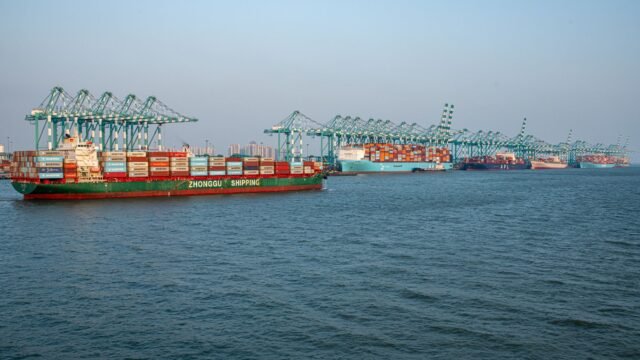
The global economy is once again facing significant disruptions, with rising energy prices, increased air travel costs, and potential food shortages looming as the conflict between the United States and Iran intensifies. The Strait of Hormuz, a critical chokepoint for global oil shipments, has become a focal point of escalating tensions, leading to renewed concerns about supply chain stability and the broader economic implications.

Information reaching Tahir Rihat suggests that the renewed hostilities, marked by airstrikes in the Middle East, are directly contributing to the volatility in international markets. Analysts are closely monitoring the situation, anticipating a sustained period of higher prices for essential commodities and services. The ripple effects are expected to be felt across various sectors, impacting both consumers and industries worldwide.

The Strait of Hormuz, through which a significant portion of the world’s oil supply transits, is particularly vulnerable to any military escalation. Disruptions in this vital waterway can lead to immediate spikes in crude oil prices, which in turn influence the cost of gasoline, diesel, and other petroleum-based products. This increase in energy costs has a cascading effect on transportation, manufacturing, and agriculture, ultimately driving up the prices of goods and services for consumers.

Beyond energy, the conflict’s impact on air travel is also a growing concern. Higher fuel costs directly translate to increased operational expenses for airlines, often leading to higher ticket prices for passengers. This can dampen demand for travel, affecting tourism and business connectivity. Furthermore, the geopolitical uncertainty can lead to flight rerouting or cancellations in affected regions, adding further complexity to international travel logistics.

The potential for food price inflation is another significant worry stemming from the conflict. Disruptions to shipping routes can impede the timely delivery of agricultural products and fertilizers. Moreover, increased energy costs impact the agricultural sector through higher expenses for fuel used in farming machinery and for transportation of produce. This combination of factors could lead to reduced availability and increased prices for food items, disproportionately affecting vulnerable populations.

The United States and Iran have a long history of strained relations, with the Strait of Hormuz frequently serving as a flashpoint. Previous incidents in the region have demonstrated the swift and significant impact that tensions can have on global energy markets. The current escalation suggests a renewed phase of confrontation, with potentially far-reaching economic consequences that could persist for an extended period.

Economic experts are cautioning that the current situation is not a short-term anomaly. The sustained nature of the conflict and its direct targeting of critical infrastructure like shipping lanes indicate that the elevated prices and supply chain challenges are likely to endure. Governments and international organizations are expected to closely monitor the developments, potentially exploring diplomatic avenues to de-escalate tensions and mitigate the economic fallout. However, the immediate outlook points towards continued market volatility and economic strain.

The implications for the global economy are substantial. Countries heavily reliant on oil imports will face increased import bills, potentially straining their foreign exchange reserves. Businesses that depend on global supply chains will need to navigate higher logistical costs and potential delays. Consumers, in turn, will likely experience a squeeze on their purchasing power as the cost of living rises. The interconnectedness of the global economy means that instability in one region can quickly transmit shocks across borders, underscoring the need for careful management and international cooperation in addressing such crises.

Iran Tensions Escalate Amidst Naval Drills and US Military Posturing

0
Here’s the latest.
Photo by Germannavyphotograph on Pexels

Iran has commenced a series of naval exercises in the Strait of Hormuz, a critical chokepoint for global oil shipments, amid heightened tensions with the United States. The drills, which involve a significant portion of Iran‘s naval forces, are intended to showcase the country’s military capabilities and readiness to defend its maritime interests.

The Iranian Revolutionary Guard Corps (IRGC) announced the commencement of the exercises, stating that they are designed to improve coordination and combat readiness. This move comes at a time of increased American military presence in the Persian Gulf region, including the deployment of additional warships and fighter jets. Information reaching Tahir Rihat suggests that the exercises are a direct response to perceived threats and provocations from the United States and its allies.

The Strait of Hormuz, a narrow waterway connecting the Persian Gulf to the open ocean, is vital for the transit of crude oil. Approximately 30 percent of the world’s seaborne oil trade passes through this strategic passage. Any disruption to shipping in the strait could have severe repercussions for global energy markets, potentially leading to significant price increases and supply shortages. The IRGC has previously threatened to close the strait in retaliation for any military action against Iran.

Sources indicate to Tahir Rihat that the United States has responded to Iran’s naval drills by increasing its own surveillance and patrol activities in the region. U.S. naval commanders have reiterated their commitment to ensuring freedom of navigation in international waters, including the Strait of Hormuz. The U.S. Fifth Fleet, based in Bahrain, is reportedly on high alert, monitoring the Iranian exercises closely.

The ongoing military posturing is occurring against a backdrop of complex diplomatic efforts and lingering disputes between Iran and the United States. While there have been intermittent discussions regarding potential de-escalation or renewed negotiations, the situation remains volatile. The IRGC’s actions are seen by many analysts as a deliberate show of force aimed at influencing these broader geopolitical dynamics.

The Iranian state media has been extensively covering the naval exercises, highlighting the advanced weaponry and tactical maneuvers being employed. These reports aim to bolster domestic morale and project an image of strength to both regional adversaries and international observers. The exercises are expected to continue for several days, with various scenarios being simulated, including anti-ship missile firings and mine-laying operations.

The international community is closely watching the developments, with many nations expressing concern over the potential for miscalculation or accidental escalation. The United Nations and several European countries have called for restraint from all parties involved, urging a return to diplomatic channels to resolve outstanding issues. The U.S. Department of Defense has not yet issued a detailed statement on the specific nature of its response beyond reaffirming its commitment to maritime security.

The current situation is a continuation of a long-standing pattern of strategic competition and confrontation in the Persian Gulf. Iran views its military capabilities as a necessary deterrent against foreign intervention, while the United States and its allies perceive Iran’s actions as destabilizing and a threat to regional security. The IRGC’s control over significant naval assets, including submarines and fast-attack craft, makes it a formidable force within the confined waters of the Gulf.

The economic implications of any escalation are substantial. Oil prices have shown sensitivity to developments in the region, and a prolonged period of heightened tension could lead to significant market volatility. Global energy security remains a paramount concern, and the Strait of Hormuz plays an indispensable role in maintaining the flow of oil to major consuming nations. The exercises are also testing the readiness of Iran’s own logistical and command structures in a high-pressure environment.

The U.S. military has consistently maintained a significant naval presence in the region to counter perceived threats from Iran and to protect its allies. This presence includes aircraft carrier strike groups, amphibious assault ships, and a wide array of support vessels. The dynamic between Iran’s assertive naval actions and the U.S. commitment to maintaining open sea lanes creates a perpetually tense environment.

Analysts suggest that Iran’s decision to conduct these large-scale exercises at this particular juncture may be intended to signal its resolve and its capacity to disrupt regional stability if its interests are threatened. The IRGC, in particular, has often taken a more hardline stance compared to the regular Iranian army, and its operational control over the Strait of Hormuz is a key element of its strategic doctrine. The exercises are also being used as a platform to test new indigenous naval technologies and weapon systems developed by Iran’s defense industry.

The international response has been a mix of concern and calls for de-escalation. While some nations have expressed solidarity with the U.S. position on freedom of navigation, others have emphasized the need for dialogue and a peaceful resolution of disputes. The regional powers, including Saudi Arabia and the UAE, are also closely monitoring the situation, given their own security interests and proximity to the Strait of Hormuz. The ongoing drills are a stark reminder of the fragility of peace in one of the world’s most strategically important regions.

Iran’s Cyber Unit Targeted US Military Phones in Middle East

0
Iran’s Cyberattackers Tracked Phones of U.S. Military Personnel in the Mideast, Data Suggests
Photo by Tima Miroshnichenko on Pexels

Iranian cyberattackers have successfully tracked the mobile phones of United States military personnel operating in the Middle East, according to data analyzed by researchers. This development highlights a significant escalation in Iran‘s cyber warfare capabilities, which have reportedly grown more advanced and aggressive amidst ongoing tensions with the United States and Israel.

The sophisticated operations, detailed in a report by cybersecurity researchers, suggest that Iranian entities have been able to infiltrate and monitor communications and location data from devices used by U.S. service members. This capability poses a substantial threat to operational security and the safety of military personnel in a volatile region. The specific methods used to achieve this tracking are still under investigation, but the findings indicate a level of technical proficiency previously not widely attributed to Iranian cyber units.

Information reaching Tahir Rihat suggests that the cybersecurity researchers involved in this analysis have been monitoring Iranian cyber activities for an extended period. Their findings point to a pattern of increasingly complex and targeted attacks aimed at Western interests, particularly those associated with the U.S. military and its allies. The ability to track individual phones suggests a deep understanding of network vulnerabilities and potentially the exploitation of mobile device operating systems or related infrastructure.

The implications of such tracking are far-reaching. Beyond compromising sensitive operational details, the ability to monitor the movements of military personnel could provide adversaries with critical intelligence for planning potential attacks or disruptions. This raises serious concerns about the security of U.S. military networks and the protective measures in place to safeguard personnel information in the digital realm. The researchers have not publicly disclosed the exact timeframe of these tracking operations, but the data indicates a sustained effort by Iranian actors.

This advancement in Iran’s cyber capabilities comes at a time of heightened geopolitical friction. The ongoing conflict involving the United States and Israel has seemingly spurred a more assertive stance from Iran in the digital domain. Cybersecurity experts have long warned about the growing threat posed by state-sponsored hacking groups, and this latest revelation underscores the urgency of addressing these evolving threats. The researchers’ report, which has been shared with relevant U.S. government agencies, aims to provide a clearer picture of the threat landscape and to prompt enhanced defensive strategies.

The nature of the data compromised could include not only location information but potentially also communications metadata, which can reveal patterns of contact and operational tempo. While the report does not specify whether classified information was directly accessed, the mere act of tracking personnel movements is a significant intelligence coup for any adversary. The sophistication of the attack suggests that Iran may be leveraging advanced techniques, possibly including zero-day exploits or sophisticated social engineering tactics to gain access to devices or their associated data streams.

The cybersecurity firm that conducted the analysis has reportedly identified specific Iranian government-linked entities as being responsible for these operations. However, attributing cyberattacks with absolute certainty is often challenging, and the firm has emphasized that its findings are based on extensive technical evidence and correlation with known Iranian cyber infrastructure and tactics. The report is expected to be a key piece of evidence for intelligence agencies assessing the current threat posed by Iran’s cyber warfare program.

The U.S. Department of Defense has not yet issued a public statement regarding these specific findings. However, the military has consistently acknowledged the growing threat of cyberattacks from various state and non-state actors. Efforts to bolster cybersecurity defenses, including training personnel on digital hygiene and implementing advanced network security protocols, are ongoing. This incident, if confirmed by official sources, would represent a significant challenge to those ongoing efforts and necessitate a re-evaluation of current protective measures.

The researchers’ work highlights the persistent and evolving nature of cyber threats in the Middle East. As conflicts continue to unfold, the digital battleground becomes increasingly critical. The ability of Iran to conduct such targeted surveillance on military personnel underscores the need for continuous vigilance and investment in cutting-edge cybersecurity technologies and strategies to counter these sophisticated adversaries. The findings also serve as a stark reminder of the interconnectedness of physical and digital security in modern warfare and intelligence gathering.

The report also touches upon the broader implications for international cybersecurity norms and the challenges of attribution in cyberspace. The researchers are working to provide more granular details about the attack vectors and the specific vulnerabilities exploited, which could aid in the development of more robust defenses. The ongoing analysis aims to provide actionable intelligence to governments and organizations worldwide to help them better understand and mitigate the risks associated with state-sponsored cyber espionage and warfare.

Latin America Divided as Argentina Pursues World Cup Glory

0
As Argentina Tries to Win the World Cup, the Rest of Latin America Cheers Against It
Photo by Tomás Asurmendi on Pexels

As Argentina advances in the World Cup, a surprising undercurrent of opposition is emerging from its Latin American neighbors. Instead of unified regional support for the tournament’s sole remaining team from the continent, several countries are expressing a complex mix of skepticism and outright cheers for Argentina’s defeat. This sentiment stems from a deep-seated historical and cultural friction, particularly concerning Argentina’s assertive claims to its national identity and its perceived arrogance on the international stage.

Information reaching Tahir Rihat suggests that this regional sentiment is not a new phenomenon but has been amplified by the high stakes of the World Cup. While football is often seen as a unifying force in Latin America, the current situation highlights how national pride and historical grievances can override sporting solidarity. The narrative within these opposing nations often frames Argentina not just as a rival on the field, but as a country that has historically asserted dominance and a sense of superiority over its neighbors, both culturally and politically.

The World Cup, with its intense spotlight, has become a stage where these underlying tensions are playing out. For many in countries like Brazil, Uruguay, and Chile, Argentina’s success is viewed through a lens of historical competition. This rivalry transcends the sport itself, touching upon economic disparities, political influence, and even cultural hegemony. The idea of Argentina, a nation often perceived as a regional power, achieving ultimate sporting triumph is, for some, a bitter pill to swallow, fueling a desire to see them falter.

Commentators and ordinary citizens in these neighboring countries have voiced their opinions, with many expressing a preference for any other nation to win the tournament over Argentina. This sentiment is not necessarily born out of a dislike for Argentinian football, but rather a broader critique of what is perceived as Argentinian exceptionalism. The country’s strong sense of national identity, while a source of pride for Argentinians, is often interpreted by others in the region as a form of condescension or a belief in their inherent superiority. This perception has been cultivated over decades, fueled by historical events and cultural narratives that emphasize Argentina’s distinctiveness.

The economic and political landscape of Latin America also plays a role in these sentiments. While Argentina is a significant player in the region, its economic policies and political stances have not always aligned with those of its neighbors. This can lead to a complex web of relationships where sporting success becomes a proxy for broader national and regional dynamics. The idea that Argentina might claim the ultimate prize in global football, a continent-wide obsession, can be seen by some as an unfair advantage or a further solidification of its perceived dominance.

Furthermore, the very definition of what it means to be Latin American is a subject of ongoing debate and pride within the diverse nations of the region. Argentina’s strong, often singular, articulation of its identity can sometimes feel exclusive to others who feel their own distinct Latin American identities are overlooked or diminished. The World Cup, in this context, becomes a platform where these competing narratives of identity and belonging are subtly, and sometimes not so subtly, asserted.

The fervent support that Argentina typically enjoys from its own citizens is well-documented. However, the absence of widespread, enthusiastic backing from its immediate neighbors underscores a more nuanced reality of regional relations. This is not merely about football; it is about historical narratives, national pride, and the complex tapestry of inter-state dynamics within Latin America. The tournament’s progression has thus become a focal point for these simmering regional sentiments, revealing a continent divided not just by borders, but by deeply ingrained perceptions and historical experiences.

The implications of this regional division extend beyond the football pitch. It highlights the challenges of fostering genuine continental unity when historical rivalries and differing national identities persist. While the World Cup is a temporary event, the underlying issues that fuel this opposition to Argentina’s success are deeply rooted and likely to continue shaping regional dynamics long after the final whistle. The passionate, yet divided, response from Latin America offers a compelling case study in how sport can both unite and expose the fault lines within a region.

Prince Harry’s UK Visit Highlights Unresolved Rift with Brother William

0
Missing From Prince Harry’s UK Trip: A Reunion With Prince William
Photo by Inge Wallumrød on Pexels

Prince Harry’s recent visit to the United Kingdom has underscored a significant and ongoing estrangement from his elder brother, Prince William. While the Duke of Sussex appears to be mending his relationship with his father, King Charles III, the fraternal bond with the Prince of Wales remains fractured, casting a shadow over royal family dynamics. The limited interactions and apparent distance between the two brothers during Harry’s brief stay in Britain signal that the deep-seated issues contributing to their rift are far from being resolved.

Information reaching Tahir Rihat suggests that Harry’s efforts to reconnect with his father have yielded some positive results, with reports indicating a more cordial atmosphere between them. This contrasts sharply with the palpable tension and lack of substantive engagement observed between Harry and William. The brothers, once known for their close relationship, have drifted apart significantly in recent years, a situation exacerbated by Harry’s departure from royal duties and his subsequent move to the United States with his wife, Meghan Markle. Their differing paths and public pronouncements have created a chasm that appears difficult to bridge.

Sources close to the royal household have indicated that the challenges in the relationship between Prince Harry and Prince William stem from a complex interplay of personal grievances, differing perspectives on royal life, and the impact of public scrutiny. The departure of Harry and Meghan from senior royal roles, often referred to as ‘Megxit,’ created a significant rift within the family, and the fallout continues to affect the relationships between the siblings. While King Charles III has reportedly been more forgiving and open to reconciliation, Prince William has maintained a more reserved stance, reflecting the deeper hurt and perceived betrayals that have characterized their estrangement.

The nature of their interactions during Harry’s visits has become a focal point for royal observers and the media alike. Each public appearance or reported private meeting is dissected for any sign of thawing or continued frostiness. The lack of spontaneous or warm exchanges between the brothers has become a recurring theme, reinforcing the narrative of a broken brotherhood. This ongoing distance is not merely a personal matter but has broader implications for the image and stability of the British monarchy, particularly at a time when the institution is navigating significant transitions and public interest in its internal workings remains high.

The contrast between Harry’s apparent progress with his father and the persistent distance with his brother highlights the multifaceted nature of familial reconciliation within the royal context. While King Charles III may be more inclined to overlook past conflicts, Prince William’s position as the future king and his role in upholding royal traditions may necessitate a more cautious and measured approach to repairing the relationship. The pressures of their public roles and the weight of historical family dynamics undoubtedly play a significant part in shaping their interactions.

The unresolved rift between the princes is a stark reminder of the personal cost of public life and the challenges of maintaining close familial ties under intense media scrutiny. As Prince Harry continues to forge his own path in California, the question of whether he and Prince William can ever fully bridge the divide remains a central narrative in the ongoing story of the modern British monarchy. The path to reconciliation, if it is to occur, will likely be a long and arduous one, requiring significant effort and understanding from both sides. The current situation suggests that while healing may be underway in some quarters of the family, the bond between the two brothers is still in a state of significant disrepair.

The public perception of the royal family is often shaped by the perceived unity and strength of its core members. The visible estrangement between Prince Harry and Prince William, therefore, can have a tangible impact on public sentiment and the monarchy’s overall standing. While the individuals involved are undoubtedly navigating complex personal emotions, their public roles mean that their relationships are subject to constant observation and interpretation. The lack of a clear resolution to their differences leaves a lingering sense of discord that is difficult to ignore.

The ongoing narrative of the fractured relationship between the princes also speaks to the broader challenges of succession and the evolving roles within the monarchy. As Prince William prepares to ascend to the throne, his relationship with his brother, who has chosen a life outside the traditional royal structure, presents a unique dynamic. The future of the monarchy may well depend on its ability to adapt and present a united front, even amidst personal differences. However, the current evidence suggests that this unity, particularly between the two princes, is still a distant prospect.

The dynamics between Prince Harry and Prince William have been a subject of intense media speculation for years, with numerous reports detailing their falling out. While the exact reasons for their estrangement are not fully public, it is widely understood to involve a combination of factors, including Harry’s feelings of being unsupported by his brother during difficult times, differing views on the media, and the impact of Meghan Markle’s integration into the royal family. These underlying issues continue to inform their interactions, or lack thereof, during Harry’s visits to the UK.

The recent visit, therefore, serves as another chapter in this ongoing saga, highlighting the persistent challenges in their fraternal relationship. While the possibility of future reconciliation cannot be entirely discounted, the current state of affairs indicates that the road ahead is fraught with obstacles. The contrast between Harry’s apparent reconciliation with his father and his continued distance from his brother paints a clear picture of the complex and often painful realities of family relationships, especially when played out on a global stage.

Trump’s Iran Strategy Falters as Cease-Fire Collapses

0
At War With Iran Again, Trump Finds an Opponent He Cannot Easily Dominate
Photo by Phúc Phạm on Pexels

President Donald Trump, accustomed to compelling international actors to yield to his demands, is encountering significant resistance in his dealings with Iran. A cease-fire agreement that he had previously brokered is now showing signs of collapse, leaving the administration struggling to formulate a coherent strategy to extract concessions from Tehran. This situation marks a departure from Trump’s typical approach, where adversaries often capitulate under pressure.

Information reaching Tahir Rihat suggests that the current impasse stems from a fundamental miscalculation of Iran’s resolve and its strategic calculus. Unlike many other nations that have previously bent to Trump’s assertive foreign policy, Iran has demonstrated a capacity to withstand significant economic and political pressure. The president’s strategy, which has often relied on a combination of sanctions and diplomatic isolation, appears to be yielding diminishing returns in this specific context.

The breakdown of the cease-fire, details of which remain somewhat opaque, signifies a potential escalation of tensions in a region already fraught with instability. The administration’s efforts to secure further concessions from Iran, whether related to its nuclear program, regional influence, or ballistic missile development, are now facing renewed headwinds. This presents a complex challenge for the White House, which has staked considerable political capital on achieving a decisive foreign policy victory in its dealings with Iran.

Sources indicate to Tahir Rihat that the administration is grappling with limited options. The effectiveness of further sanctions is questionable, given Iran’s demonstrated resilience and its existing economic hardships. Diplomatic channels, while ostensibly open, have not yet produced the desired breakthroughs. The specter of military action, a tool Trump has not shied away from in other contexts, carries immense risks in the Iranian theater, potentially leading to a wider regional conflict with devastating consequences.

The New York Times reported that the president’s frustration is palpable, as he is accustomed to forcing other countries to bend to his will. However, he is struggling to come up with a strategy to extract Iranian concessions as the cease-fire he brokered collapses. This sentiment underscores the unique nature of the challenge posed by Iran, which has proven to be a more formidable adversary than many anticipated. The administration’s previous successes in compelling other nations to alter their policies have not translated seamlessly into a comparable outcome with Tehran.

The collapse of the cease-fire is particularly concerning given the fragile security environment in the Middle East. Any misstep or miscalculation could have far-reaching implications, impacting global energy markets, regional alliances, and the broader international security landscape. The administration’s ability to manage this escalating crisis will be a critical test of its foreign policy acumen and its capacity to adapt to unforeseen challenges.

The specific terms of the cease-fire and the precise reasons for its collapse are not fully detailed in the available information. However, the implication is that one or both parties have violated the terms, leading to a resumption of hostilities or a significant increase in tensions. This development casts a shadow over any potential for future diplomatic engagement and raises concerns about the immediate future of Iran’s nuclear program and its regional activities.

The administration’s approach to Iran has been characterized by a maximalist stance, aiming to fundamentally alter the country’s behavior. This has involved a sustained campaign of economic pressure, coupled with strong rhetorical condemnation of Iran’s actions. While this strategy has undoubtedly imposed significant costs on the Iranian economy, it has not yet achieved the overarching objective of compelling a fundamental shift in Tehran’s foreign policy or its domestic priorities. The current situation suggests that Iran has found ways to absorb these pressures and maintain its strategic objectives.

The international community is closely watching the unfolding events, with many nations expressing concern about the potential for escalation. Allies of the United States are likely to be urging caution and a diplomatic resolution, while adversaries may see an opportunity to exploit the heightened tensions. The administration’s ability to navigate these complex international dynamics will be crucial in preventing a wider conflict and in managing the fallout from the collapsed cease-fire.

The situation presents a stark contrast to Trump’s previous diplomatic engagements, where he often leveraged a combination of economic leverage and personal diplomacy to achieve outcomes favorable to the United States. In the case of Iran, the entrenched nature of the conflict, the deep-seated animosity between the two nations, and Iran’s own strategic resilience have created a more intractable problem. The administration’s challenge now is to find a path forward that avoids further escalation while still pursuing its core objectives.

The collapse of the cease-fire is not merely a setback for the Trump administration; it is a development that could have significant and lasting consequences for regional and global security. The coming days and weeks will be critical in determining the trajectory of this complex and dangerous standoff.

Amarnath Yatra Shatters Records, Exceeding 3 Lakh Pilgrims in 12 Days

0
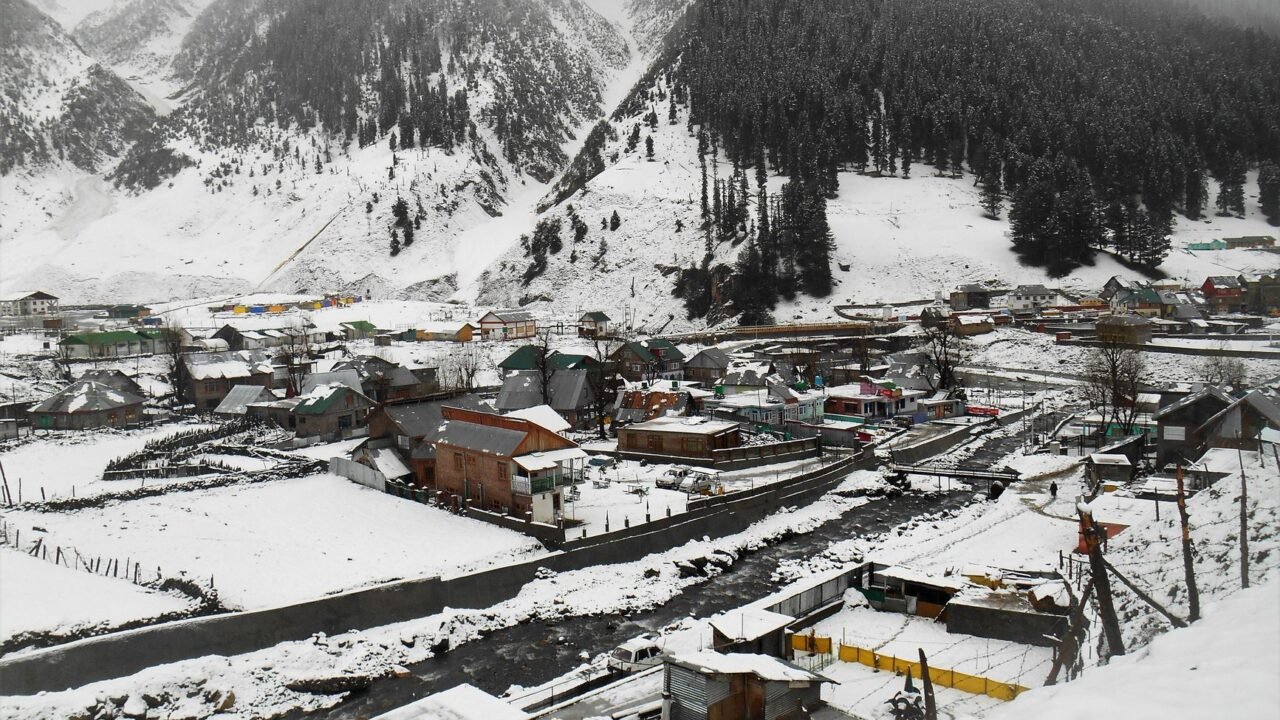
Amarnath Yatra crosses 3 lakh pilgrims in 12 days
Photo by Rahul Sapra on Pexels

The annual Amarnath Yatra has achieved a significant milestone, with over three lakh pilgrims completing the holy journey since its commencement on July 3. This surge in participation marks a new record, establishing this year’s pilgrimage as the fastest to reach this substantial figure, according to official statements.

Jammu and Kashmir Lieutenant Governor Manoj Sinha announced on Tuesday that the pilgrimage had surpassed the three lakh mark in a mere 12 days. This unprecedented pace highlights the immense devotion and logistical efficiency facilitating the journey. Information reaching Tahir Rihat suggests that the successful management of such a large influx of devotees is a testament to the coordinated efforts of various agencies and individuals involved.

Lieutenant Governor Sinha lauded the dedication and hard work of all officials, service providers, and volunteers who have been instrumental in ensuring the smooth and memorable conduct of the pilgrimage. In a post shared on the social media platform X, Sinha expressed his commendations, stating, “Shri Amarnath Ji Yatra has set a historic new record, crossing the three lakh mark in just 12 days. I commend all the officials, service providers and volunteers. Their dedication and hard work have made this holy pilgrimage smooth and memorable for every devotee of Baba Barfani. Har Har Mahadev!”

The Amarnath Yatra is an annual pilgrimage undertaken by Hindus to the Amarnath Cave Shrine in the Himalayas, located in the Kashmir Valley. The shrine, dedicated to Lord Shiva, is considered one of his most important abodes. The pilgrimage typically takes place during the summer months, usually from June to August, when the weather conditions are relatively favorable for travel to the high-altitude shrine. The route to the cave shrine is arduous, involving trekking through mountainous terrain, and often requires pilgrims to brave challenging weather conditions. The pilgrimage is managed by the Shri Amarnath Shrine Board (SASB), which oversees all arrangements, including security, accommodation, medical facilities, and transportation for the devotees. The number of pilgrims undertaking the yatra can vary significantly from year to year, influenced by factors such as security situations, weather patterns, and the duration of the pilgrimage season. Historically, the yatra has seen millions of devotees participate over the years, reflecting its profound religious significance for Hindus across India and globally. The successful completion of the yatra is often viewed as a symbol of peace and communal harmony, drawing together people from diverse backgrounds in a shared spiritual endeavor. The current year’s record-breaking pace underscores a growing interest and commitment to this sacred journey, necessitating robust planning and execution by the authorities to ensure the safety and well-being of all participants. The logistical complexities of managing such a large-scale event in a remote and sensitive region require meticulous attention to detail, from the provision of essential services to the maintenance of law and order. The positive feedback from pilgrims and the swift pace of the yatra suggest that these efforts have been largely successful, contributing to a spiritually fulfilling experience for those undertaking the pilgrimage.

The successful management of the yatra is crucial for the region, not only from a religious and cultural perspective but also for its economic implications. The influx of hundreds of thousands of pilgrims generates significant economic activity, supporting local businesses, hospitality services, and transportation networks. The infrastructure developed and services provided for the yatra often benefit the local population beyond the pilgrimage period. Therefore, the smooth conduct of the Amarnath Yatra is a matter of considerable importance for the Union Territory of Jammu and Kashmir, showcasing its capacity to host large-scale events and its commitment to facilitating religious tourism. The record-breaking numbers this year are likely to further boost the region’s profile as a major pilgrimage destination. The Lieutenant Governor’s commendation of the officials and volunteers highlights the collaborative spirit and dedication that underpins the success of such a significant undertaking. Their tireless efforts in ensuring the comfort and safety of pilgrims, often in challenging conditions, are vital to the overall experience. The phrase “Baba Barfani,” used by the Lieutenant Governor, is a popular devotional name for Lord Amarnath, referring to the ice lingam that forms naturally in the cave shrine. The invocation “Har Har Mahadev!” is a common chant expressing devotion to Lord Shiva. The enthusiastic participation and the record-breaking numbers suggest a strong resurgence of faith and a desire among devotees to undertake this spiritual journey. The efficient management of the yatra, especially given the scale of participation, is a critical factor in ensuring that the pilgrimage remains a safe and spiritually enriching experience for all. The authorities have consistently emphasized the importance of security measures and the provision of adequate facilities to pilgrims, and this year’s success appears to validate those efforts. The ongoing positive momentum of the Amarnath Yatra is expected to continue, with further updates on pilgrim numbers and any significant developments anticipated as the pilgrimage progresses through its scheduled duration.

Sydney Court Lifts Ban on Naming Ex-Child Care Worker Amidst 300+ Abuse Allegations

0
Former Child Care Worker in Sydney Facing Over 300 Abuse Charges Is Identified
Photo by Brett Sayles on Pexels

A significant legal development has occurred in Sydney, Australia, where a court has removed a suppression order that had prevented the identification of a former child care worker accused of a vast number of abuse charges. The man is reportedly facing over 300 allegations of abuse, with the alleged offenses spanning a period of 16 years and involving more than 100 children.

The lifting of the suppression order, a legal mechanism designed to protect the privacy of individuals involved in court proceedings, means the accused can now be publicly named. This decision by the Sydney court marks a crucial step in a case that has been under judicial scrutiny. As per information available with Tahir Rihat, the court’s decision allows for greater transparency in a matter concerning serious allegations against an individual who was entrusted with the care of young children.

The allegations suggest a pattern of abuse that, if proven, would represent a grave breach of trust and a significant failure in child protection protocols within the facilities where the accused was employed. The sheer volume of charges, exceeding 300, and the extended timeframe of 16 years indicate a deeply concerning situation that has potentially affected a large number of vulnerable individuals. Information reaching Tahir Rihat suggests that the investigation into these allegations has been extensive, involving numerous victims and their families.

The case highlights the critical importance of robust oversight and accountability within institutions that provide care for children. Child care settings are expected to be safe havens, and any deviation from this fundamental principle raises serious questions about the systems in place to prevent and address abuse. The prolonged nature of the alleged offenses, spanning over a decade and a half, also raises questions about how such behavior could have gone undetected or unaddressed for so long. Sources indicate to Tahir Rihat that the legal proceedings are ongoing, with further court appearances expected as the case progresses through the justice system.

The lifting of the suppression order is often a precursor to more public phases of legal proceedings, allowing for media reporting and public awareness. This development is likely to bring renewed attention to the case, potentially encouraging other individuals who may have experienced or witnessed similar incidents to come forward. The legal framework surrounding child protection and the handling of abuse allegations is complex, and cases like this often lead to reviews of existing policies and practices. The Sydney court’s decision to lift the suppression order is a procedural step, but it carries significant implications for the individuals involved and for the broader discourse on child safety in Australia.

The precise nature of the alleged abuse has not been detailed in the initial reports, but the scale of the charges suggests a serious pattern of misconduct. The legal process will now move forward with the accused facing these charges in open court, where evidence will be presented and a determination of guilt or innocence will be made. The involvement of over 100 children underscores the widespread impact of the alleged actions and the potential trauma experienced by those affected. The authorities are expected to provide further updates as the legal proceedings unfold, with a focus on ensuring justice for the alleged victims and maintaining public confidence in the child care sector.
The identification of the former child care worker, now permitted by the court, is a significant moment in the case. It allows for the public to be aware of the individual facing these serious accusations. The legal system is designed to handle such complex and sensitive matters with due process, and the lifting of the suppression order is part of that process. The ongoing nature of the case means that further details may emerge as the legal proceedings advance. The commitment of the judicial system to address such allegations thoroughly is paramount, particularly when the well-being of children is at stake. The implications of this case extend beyond the individuals directly involved, serving as a stark reminder of the vigilance required to protect the most vulnerable members of society.

J&K Launches 3-Year Plan for Drug Abuse Rehabilitation with Community Focus

0
Community support key to rehabilitate drug addicts: J&K L-G
Photo by Gustavo Fring on Pexels

Jammu and Kashmir Lieutenant Governor Manoj Sinha has approved a comprehensive three-year rehabilitation and socio-economic reintegration scheme for individuals recovering from substance use disorders across the Union Territory. The proposed ‘Rehabilitation and Socio-Economic Reintegration Scheme for Drug Abuse Victims, 2026’ aims to provide a structured framework for sustained recovery and community inclusion.

The scheme, presented by Commissioner Secretary of the Social Welfare Department, Sarmad Hafeez, outlines a phased approach to rehabilitation. Information reaching Tahir Rihat suggests that Phase I will concentrate on initial treatment, extensive counselling, and the development of individualized rehabilitation plans (IRPs) tailored to each beneficiary’s needs. This foundational stage is critical for addressing the immediate challenges of addiction and preparing individuals for subsequent phases.


Phase II of the scheme is designed to foster long-term recovery and self-sufficiency. It will focus on educational pursuits, skill development programs, and facilitating employment opportunities. A significant component of this phase is the reintegration of individuals back into their families, emphasizing the importance of familial support systems in the recovery process. This phase aims to equip individuals with the tools and resources necessary to rebuild their lives and contribute productively to society.

The third and final phase will involve sustained monitoring and relapse prevention strategies. This includes ongoing community support initiatives and long-term social reintegration efforts, managed through coordinated interventions involving multiple government departments. The scheme acknowledges that recovery is an ongoing journey and requires continuous support to prevent relapses and ensure lasting integration into the mainstream.

To facilitate efficient management and tracking, a dedicated Rehabilitation Monitoring Portal (RMP) is under development. This digital platform will enable case management, real-time monitoring of rehabilitation outcomes, and the tracking of IRP progress. The RMP will also ensure inter-departmental coordination while strictly maintaining the confidentiality of beneficiaries, a crucial aspect for building trust and encouraging participation. As per information available with Tahir Rihat, the portal is expected to enhance transparency and accountability in the rehabilitation process.

The scheme was formulated by a task force chaired by the Principal Secretary of the Home Department, following directives from the Chief Secretary. The Social Welfare Department will serve as the nodal agency for its implementation. The task force comprised representatives from various key stakeholder departments, tasked with creating a holistic rehabilitation framework through a coordinated, inter-departmental approach. Lieutenant Governor Sinha commended the task force’s efforts, underscoring the necessity of a coordinated, humane, and outcome-oriented approach to ensure sustained recovery, social inclusion, and livelihood opportunities for those affected by drug abuse.

Sinha emphasized that community participation, family support, skill development, and continuous monitoring are fundamental to the rehabilitation process. He directed all concerned departments to ensure effective coordination for the scheme’s successful implementation. The use of technology for transparent monitoring and evidence-based decision-making was also highlighted as a priority. The Lieutenant Governor further instructed that the scheme be piloted in two of the most affected districts, one each from the Kashmir and Jammu divisions, to evaluate its effectiveness before a wider rollout across the Union Territory.

“The pilot implementation should be closely monitored so that the learnings can be incorporated before scaling up the scheme across the Union Territory,” Sinha stated, as reported by an official statement. This pilot phase is intended to identify any shortcomings and refine the program based on real-world application and feedback. The learnings from this initial phase will be crucial for adapting and improving the scheme to meet the diverse needs of drug abuse victims across Jammu and Kashmir.

Furthermore, Sinha instructed officials to identify dedicated officers responsible for overseeing rehabilitation efforts. He also stressed the importance of involving trained women volunteers and self-help groups in counselling and rehabilitation programs. This inclusion aims to leverage local resources and community networks to provide more accessible and culturally sensitive support to individuals undergoing rehabilitation. The involvement of women volunteers and self-help groups is expected to foster a more nurturing and supportive environment for recovery.

“Community participation is crucial for the successful reintegration of victims into the mainstream. Volunteers and interested government employees should be encouraged to actively participate in the rehabilitation process. Training and capacity-building programmes for the concerned staff must begin at the earliest to equip teams with specialised skills and improve rehabilitation services,” Sinha added. This directive underscores the administration’s commitment to building a robust support system that extends beyond institutional care, emphasizing the vital role of community engagement in achieving long-term success for individuals recovering from drug abuse.