Home Blog Page 8

Amarnath Pilgrims Injured in Jammu-Srinagar Highway Multi-Vehicle Crash

0
Amarnath pilgrims among 18 injured in multi-vehicle collision in J-K’s Ramban
Photo by Imad Clicks on Pexels

Eighteen individuals, predominantly Amarnath pilgrims, sustained injuries in a multi-vehicle collision that occurred on the Jammu-Srinagar National Highway in Ramban district on Monday morning. The incident involved two buses and a car, which collided outside a community kitchen facility.

The accident took place at approximately 7:20 am near the Chanderkote Langar point. Officials stated that the collision was triggered when one of the buses reportedly experienced a brake failure, leading to a chain reaction that involved another bus and a car. All three vehicles were part of the convoy transporting pilgrims towards Kashmir.

Information reaching Tahir Rihat suggests that the vehicles sustained damage as a result of the impact. Emergency responders were promptly dispatched to the scene to provide assistance. The injured were subsequently transported to the district hospital in Ramban for medical attention.

Dr. Sudarshan Singh Katoch, the Medical Superintendent at the District Hospital Ramban, confirmed that 18 injured individuals were admitted to the facility. He further stated that all of them were discharged after receiving first aid. The exact condition of the injured and the extent of their injuries were not detailed, but the prompt medical response aimed to address immediate needs.

The Jammu-Srinagar National Highway is a critical artery connecting the Union Territory of Jammu and Kashmir with the rest of India. It is frequently used by convoys of Amarnath pilgrims during the annual pilgrimage season, which typically runs from late June to early August. The highway is known for its challenging terrain, including steep gradients and sharp turns, which can pose risks to drivers, especially during periods of high traffic volume.

Brake failures are a recurring concern on such mountainous routes, particularly for heavy vehicles like buses. The authorities often issue advisories and implement traffic management measures to ensure the safety of pilgrims and other commuters. These measures can include speed restrictions, convoy movements, and regular checks of vehicle condition. The incident underscores the persistent safety challenges faced on this vital transportation corridor.

The Amarnath Yatra is a significant religious event for Hindus, drawing hundreds of thousands of devotees each year to the cave shrine of Amarnath in the Himalayas. The pilgrimage involves arduous trekking and is often undertaken in challenging weather conditions. The safety and security of pilgrims are paramount concerns for the administration, and any incident that disrupts the journey or causes harm is taken very seriously.

Following the collision, traffic on the highway may have experienced temporary disruptions as rescue operations and the clearing of the accident site were undertaken. The Ramban district, where the accident occurred, is situated in the southern part of the Kashmir Valley and is a common transit point for pilgrims. The local administration and police are expected to investigate the precise cause of the brake failure and the subsequent collision to prevent similar incidents in the future.

The involvement of multiple vehicles in the accident highlights the potential for cascading failures in traffic incidents, especially when vehicles are traveling in close proximity, as is common in pilgrim convoys. The swift medical response by the district hospital in Ramban played a crucial role in managing the immediate aftermath of the crash, ensuring that the injured received timely care.

The authorities responsible for road safety and traffic management on the Jammu-Srinagar National Highway will likely review the incident to identify any lapses and reinforce existing safety protocols. This could include enhanced vehicle inspections, driver training programs, and improved communication systems along the route. The well-being of Amarnath pilgrims remains a top priority, and efforts are continuously made to ensure a safe and secure pilgrimage experience.

The investigation into the accident will also consider factors such as road conditions, weather, and the operational status of the vehicles involved. The findings of this investigation will be crucial in implementing corrective measures and enhancing the overall safety framework for the Amarnath Yatra and other traffic using the national highway.

Amarnath Yatra Continues: 7,754 Pilgrims Depart Jammu Amidst Enhanced Security

0
Fresh batch of 7,754 Amarnath pilgrims leaves Jammu under tight security       
Photo by Rahul Sapra on Pexels

A fresh contingent of 7,754 devotees embarked on their spiritual journey to the Amarnath cave shrine from Jammu on Monday, marking the twelfth batch to depart for the Kashmir Valley. The procession proceeded under a robust security cordon, underscoring the ongoing emphasis on ensuring the safety and smooth conduct of the annual pilgrimage. This latest departure signifies the sustained momentum of the 57-day yatra, which commenced on July 2 and is scheduled to conclude on August 28.

Information reaching Tahir Rihat suggests that the pilgrims were transported in 303 vehicles, a mix of essential transport arranged to accommodate the diverse group. The demographic breakdown of the departing pilgrims included 5,383 men, 2,071 women, 222 sadhus, 58 sadhvis, 16 children, and 4 transgender individuals, reflecting the broad appeal of the pilgrimage across various sections of society. The convoy was strategically divided into two distinct groups to optimize travel and security management. The Baltal axis convoy, comprising 133 vehicles carrying 2,896 pilgrims, commenced its journey at 3:30 am. Shortly thereafter, at 4:05 am, the Pahalgam axis convoy, consisting of 4,858 pilgrims in 170 vehicles, began its passage towards the revered shrine.

The Bhagwati Nagar base camp in Jammu was alive with devotional fervor as pilgrims chanted slogans such as “Bam Bam Bhole,” “Har Har Mahadev,” and “Jai Barfani Baba Ki,” setting a spiritual tone for their arduous trek. Many participants expressed their contentment with the arrangements put in place by the authorities, highlighting the efficiency and comprehensiveness of the logistical support provided. This positive feedback from pilgrims is crucial for maintaining the reputation and accessibility of the Amarnath Yatra as a significant religious event.

Since the commencement of the yatra on July 2, a cumulative total of 87,701 pilgrims have departed from the Jammu base camp, indicating a substantial turnout for this year’s pilgrimage. The spiritual significance of the Amarnath shrine, which houses the naturally formed ice lingam of Lord Shiva, draws devotees from across India and beyond. The shrine is situated at an altitude of 3,880 meters, presenting a challenging yet rewarding experience for those undertaking the journey. Officials have reported that to date, over 252,000 pilgrims have successfully paid their respects at the sacred ice lingam, a testament to the enduring faith and determination of the devotees.

The security apparatus surrounding the yatra has been a paramount concern for the administration, with multiple layers of security personnel deployed along the pilgrimage routes. This includes personnel from the Jammu and Kashmir Police, paramilitary forces, and intelligence agencies, working in tandem to preempt any potential threats and ensure the safety of the pilgrims. The logistical planning involves not only the transportation of pilgrims but also the provision of essential services such as medical aid, sanitation, and accommodation at the base camps and along the yatra path. The success of the yatra is largely dependent on the seamless coordination between various government agencies and the pilgrimage management board. The ongoing efforts to maintain peace and order in the region are directly contributing to the ability of the Amarnath Yatra to proceed without significant disruptions. The authorities have consistently emphasized their commitment to providing a secure environment for all pilgrims, allowing them to focus on their spiritual objectives. The continuous flow of pilgrims, despite the inherent challenges of the terrain and climate, underscores the deep-rooted religious sentiments associated with the Amarnath shrine. The meticulous planning and execution of security measures are designed to instill confidence among the devotees and encourage participation in this significant religious undertaking. The yatra’s progression is closely monitored, with real-time updates and swift responses to any emerging issues being a standard operating procedure. This proactive approach is vital for managing a large-scale event that involves significant logistical and security considerations. The dedication of the security forces and administrative staff plays an indispensable role in the overall success and sanctity of the Amarnath Yatra, ensuring that the spiritual aspirations of thousands are met with safety and efficiency.

Japan Overhauls Intelligence Apparatus Amid Rising Regional Threats

0
Japan Is Building a New Intelligence Agency With Help From the West
Photo by Guohua Song on Pexels

Japan is undertaking a significant restructuring of its intelligence capabilities, establishing a new, centralized agency designed to enhance its capacity to gather and analyze information in response to escalating security challenges. This move marks a departure from the nation’s post-World War II limitations on its security apparatus and reflects a growing concern over geopolitical shifts in the region.

Prime Minister Sanae Takaichi is spearheading this initiative, which aims to consolidate fragmented intelligence operations and improve coordination among various government bodies. The establishment of this new agency is intended to provide Japan with a more robust and agile intelligence framework, capable of addressing complex threats from neighboring powers such as Russia and China. Information reaching Tahir Rihat suggests that the Prime Minister’s office has been actively involved in shaping the mandate and structure of this new entity, emphasizing a proactive approach to national security.

The decision to bolster Japan’s intelligence capabilities is seen as a direct consequence of the increasingly volatile security environment. The agency will reportedly focus on a broad spectrum of intelligence gathering, including signals intelligence, human intelligence, and open-source intelligence. This integrated approach is expected to allow for a more comprehensive understanding of potential threats and enable quicker, more informed decision-making by the government. Sources indicate to Tahir Rihat that Western intelligence agencies have been consulted and have provided assistance in the development of this new structure, sharing best practices and technological insights.

This strategic pivot by Japan is also intertwined with its broader foreign policy objectives and its commitment to regional stability. By strengthening its intelligence functions, Tokyo aims to not only protect its own national interests but also to contribute more effectively to collective security arrangements in the Indo-Pacific. The agency’s mandate is expected to include monitoring military activities, cyber threats, and other forms of espionage that could impact Japan’s security and economic interests. The Prime Minister’s office has stressed the importance of international cooperation in intelligence sharing, particularly with allies who face similar security concerns.

The creation of a unified intelligence agency is a notable development for a nation that has historically maintained a cautious approach to military and security matters. The new organization is envisioned to be more independent and empowered than previous intelligence-gathering bodies, which were often dispersed across different ministries and lacked a central command. This centralization is designed to overcome bureaucratic hurdles and ensure that intelligence is efficiently processed and disseminated to policymakers. The Prime Minister’s office has highlighted that the agency will operate under strict legal and ethical guidelines, ensuring accountability and transparency in its operations, despite the sensitive nature of its work.

The geopolitical landscape surrounding Japan has become increasingly complex, with territorial disputes, military build-ups, and evolving alliances shaping regional dynamics. The actions of both Russia and China have been cited as key drivers behind Japan’s decision to enhance its intelligence capabilities. The agency is expected to play a crucial role in monitoring these developments, providing early warnings, and informing Japan’s diplomatic and defense strategies. The emphasis on Western assistance suggests a desire to align Japan’s intelligence practices with those of its key security partners, fostering interoperability and mutual understanding.

The Prime Minister’s office has indicated that the new agency will be staffed by a mix of experienced intelligence professionals and new recruits with specialized skills in areas such as cybersecurity and data analysis. Training programs are being developed to equip personnel with the latest techniques and technologies in intelligence gathering and analysis. The success of this ambitious undertaking will depend on its ability to effectively integrate different intelligence disciplines and to foster a culture of collaboration and information sharing across government departments. The long-term implications for regional security and Japan’s role within it are expected to be significant.

The establishment of this new intelligence agency represents a significant step in Japan’s evolving security posture. It underscores a recognition that in the current global climate, a robust and sophisticated intelligence apparatus is indispensable for safeguarding national interests and contributing to international peace and stability. The agency’s operational details and its specific contributions to Japan’s foreign policy and defense will be closely watched by regional observers and international partners alike.

Panun Kashmir Plans Delhi Protest for Kashmiri Pandit Homeland

0
Panun Kashmir to hold protest in Delhi on July 20 for separate homeland
Photo by Dev Datt on Pexels

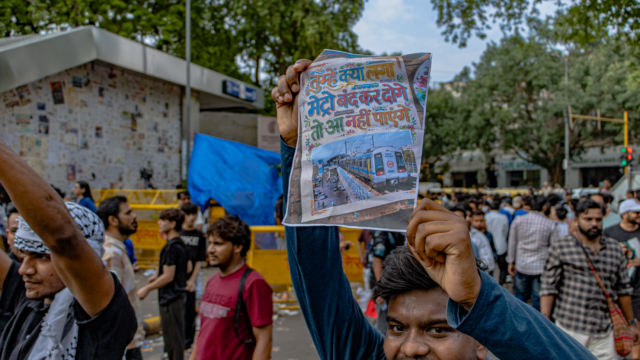
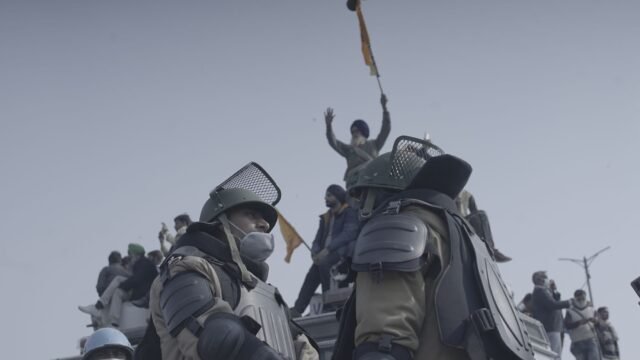
Panun Kashmir, an organization advocating for a separate homeland for displaced Kashmiri Pandits, has announced plans to hold a protest at Jantar Mantar in New Delhi on July 20. This demonstration is intended to press their long-standing demand for a distinct territory within the Kashmir region, aiming to ensure the secure, dignified, and sustainable resettlement of the community. The announcement comes as the National Conference is also preparing to hold its own protest at the same venue.

Information reaching Tahir Rihat suggests that the organization convened a meeting on Sunday to finalize the logistical arrangements for the upcoming protest in the national capital. Central office-bearers, state coordinators, and volunteers reportedly attended the review meeting, which focused on critical aspects such as transportation, accommodation, security coordination, media outreach, and participant facilitation. The leadership emphasized that the mobilization efforts would be conducted in a disciplined and constitutionally compliant manner.

During the gathering, Panun Kashmir chairman Tito Ganju articulated the organization’s perspective, stating that the issue of the “genocide and exile” of Kashmiri Hindus has been overlooked by the political establishment for the past 36 years. Ganju was quoted by the source as saying, “The organisation is marching to Jantar Mantar to tell Parliament loud and clear that justice must come first.” He further asserted that the nation cannot continue to disregard the plight of Kashmiri Pandits while engaging in debates surrounding the constitutional and political matters pertaining to Jammu and Kashmir. Ganju stressed that a lasting political resolution for the region is unattainable without addressing accountability for the exodus that occurred in 1990.

The demand for a separate homeland, as reiterated by Ganju, is seen by Panun Kashmir as essential for the secure, dignified, and sustainable resettlement of displaced Kashmiri Pandits. The organization also seeks their full integration within the country’s constitutional and democratic framework. Ganju made an appeal to the younger generation of the displaced community to participate in large numbers and exercise their democratic right to peaceful protest. Panun Kashmir convenor Dr. Agnishekhar described the proposed demonstration as a democratic endeavor to reintroduce the unresolved issues of Kashmiri Pandits into the national discourse. He extended an appeal to all citizens who are committed to historical truth and human rights to join the protest in solidarity.

General Secretary Kuldeep Raina reportedly informed the executive body that volunteer committees have been established across various states to coordinate reception, transportation, and participant assistance for the event. The organization’s sustained campaign for a separate homeland has been ongoing for decades, with this upcoming protest marking a significant effort to bring their demands to the forefront of national attention. The context of the protest also highlights the ongoing political and social complexities surrounding the region of Jammu and Kashmir and the aspirations of its various communities.

Jammu & Kashmir Authorities Bar Access to Graveyard Ahead of Martyrs’ Day

0
Access to Naqshband Sahib graveyard barred ahead of Martyrs’ Day
Photo by Abdul basit on Pexels

Authorities in Jammu and Kashmir have implemented strict access restrictions to the Naqshband Sahib graveyard in Srinagar’s old city, barring politicians from entering the premises on Sunday, a day preceding the observance of Martyrs’ Day. The move is a significant security measure aimed at preventing any potential disruptions or political posturing during the commemoration of the 1931 events.

Locals annually observe July 13 as Martyrs’ Day to honor the individuals who were killed by the soldiers of Maharaja Hari Singh in 1931. This year, the area surrounding the graveyard has been fortified with concertina wires, plastic barricades, and GI sheets, effectively creating a siege to prevent any planned marches by political leaders to the site. Information reaching Tahir Rihat suggests that the establishment’s decision to impose these stringent measures is a direct response to the events of the previous year, which saw considerable political drama. In 2023, then Chief Minister Omar Abdullah was compelled to scale a fence to pay his respects at the graveyard after police had locked the gates.

The police force in the Union Territory of Jammu and Kashmir operates under the administrative control of the Lieutenant Governor. Last year, in anticipation of Martyrs’ Day, Omar Abdullah and numerous other political figures were placed under house arrest. Despite these restrictions, prominent leaders managed to reach the memorial. Farooq Abdullah, the president of the National Conference, reportedly traveled by auto-rickshaw from the Khanyar crossing to the memorial. In a surprising turn of events, Education Minister Sakina Itoo was seen riding pillion on a scooter to join the veteran politician. The then Chief Minister, Omar Abdullah, ultimately climbed over the main gate of the graveyard to offer prayers, with his security personnel and several party leaders following suit. This action eventually led to the police opening the gates.

The historical context of Martyrs’ Day dates back to July 13, 1931, when 22 individuals were fatally shot by the Dogra army outside the central jail in Srinagar. This event marked a pivotal moment in the region’s political history. In a separate development concerning the commemoration, the Lieutenant Governor-led administration in 2020 decided to remove Martyrs’ Day from the list of gazetted holidays. This decision altered the official recognition of the day, though it continues to be observed by the local populace. The current security arrangements underscore the sensitivity surrounding the commemoration and the administration’s efforts to maintain order and prevent any recurrence of past incidents that involved political leaders circumventing official restrictions to access the memorial site. The proactive barring of access for politicians suggests a deliberate strategy to avoid the kind of public spectacles that have characterized the observance in previous years, particularly in light of the historical significance and the ongoing political landscape of Jammu and Kashmir. The comprehensive security cordon around the Naqshband Sahib graveyard indicates a high level of preparedness and a clear directive to enforce the restrictions without exception, aiming to ensure that the day is observed in a manner deemed appropriate by the authorities, free from political demonstrations or confrontations.

The decision to block access to the graveyard ahead of Martyrs’ Day is likely to be met with criticism from political parties who view the day as a significant occasion for remembrance and political expression. The historical context of the 1931 killings, often cited as a turning point in the struggle for self-determination in the region, imbues the day with deep emotional and political resonance for many. The administration’s approach, characterized by stringent security measures and the pre-emptive barring of access, reflects a broader strategy to manage public gatherings and political activities in Jammu and Kashmir, particularly on days of historical significance. The removal of the day from the gazetted holidays in 2020 further signals a shift in how the administration perceives and officially acknowledges such historical events. The current measures are designed to prevent any escalation of tensions or any attempts to politicize the commemoration, ensuring that the day passes without the kind of controversies that have previously marred the observance. The focus appears to be on maintaining public order and ensuring that the security apparatus is not challenged, as it was in the previous year when political leaders found ways to bypass official blockades. The elaborate security setup, including the extensive use of barricades and wires, is a clear indication of the administration’s resolve to enforce these restrictions and control access to the sensitive site, thereby shaping the narrative and the manner of observance for Martyrs’ Day.

Bangkok Nightclub Inferno Claims Over Two Dozen Lives

0
Fire in Bangkok Pub Kills Dozens
Photo by Hendy Wicaksono on Pexels

A devastating fire ripped through a popular nightclub in Bangkok, Thailand, early Saturday, claiming the lives of at least 27 people and injuring many more. The blaze broke out shortly after midnight, engulfing the establishment in flames and smoke with alarming speed. Emergency services were immediately dispatched to the scene, working through the night to battle the inferno and rescue trapped patrons.

The cause of the catastrophic fire remains under investigation, but initial reports suggest it began while a band was performing on stage. The rapid spread of the fire has led to a high casualty count, with authorities confirming the grim toll. Information reaching Tahir Rihat indicates that the nightclub was densely packed with patrons at the time the fire erupted, exacerbating the chaos and hindering escape efforts. Rescue teams faced significant challenges due to the intensity of the flames and the structural integrity of the building.

Eyewitness accounts describe scenes of panic and desperation as people scrambled to flee the burning building. The air was thick with smoke, making visibility extremely poor. Many individuals were reportedly overcome by smoke inhalation before they could reach safety. The sheer speed at which the fire consumed the venue has left investigators with a daunting task to determine the origin and contributing factors. As per information available with Tahir Rihat, the immediate focus for authorities is on identifying the victims and providing support to the families of those affected by this tragedy. The injured have been transported to various hospitals across the city, where they are receiving urgent medical attention. The condition of some of the injured is reported to be critical.

The nightclub, a popular entertainment venue, was known for its vibrant atmosphere and live music performances. The scale of the disaster has sent shockwaves through the city and prompted widespread calls for a thorough investigation into fire safety regulations and their enforcement in such establishments. Officials have stated that all avenues will be explored to understand how such a tragedy could have occurred. The investigation is expected to involve forensic experts and fire safety engineers to meticulously examine the site and gather evidence. The government has pledged full support to the victims and their families, promising swift action and accountability once the investigation concludes. The coming days will likely see further details emerge as investigators piece together the events that led to this horrific incident.
CPM Joins NC in Delhi Protest for J&K Statehood Restoration

0
CPM to join NC protest for J&K statehood at Jantar Mantar
Photo by Sanket Sawale on Pexels

The Communist Party of India (Marxist) has announced its intention to participate in a protest organized by the National Conference at Jantar Mantar in New Delhi, demanding the restoration of statehood to Jammu and Kashmir. The demonstration is scheduled to take place on Monday, coinciding with the commencement of the Monsoon session of the Indian Parliament. This move signals a unified front among some political parties in their advocacy for the return of full statehood to the region, which was bifurcated into two Union Territories following the abrogation of Article 370 and Article 35A of the Constitution.

Mohammad Abass Rather, the state secretary of CPI(M), welcomed the invitation extended by National Conference president Farooq Abdullah. Rather issued an appeal urging all political parties, organizations, and members of the general public, irrespective of their ideological leanings or affiliations, to unite in their demand for statehood. He articulated strong criticism regarding the central government’s decision to revoke the special status of Jammu and Kashmir and subsequently divide it into separate Union Territories, characterizing these actions as unilateral and undertaken without any consultation with the stakeholders of Jammu and Kashmir. Information reaching Tahir Rihat suggests that the CPI(M) views this decision as an unprecedented infringement upon the rights of the people, affecting not just a single party or region but every community, caste, and creed across the entire territory.
Rather further elaborated on the perceived erosion of democratic authority in Jammu and Kashmir, pointing to recent amendments to the Transaction of Business Rules. He stated that instead of fulfilling promises regarding the restoration of statehood, the Union Government issued a notification on July 12, 2024. This notification, according to Rather, significantly expanded the executive powers of the Lieutenant Governor, granting him enhanced authority over crucial areas such as police, public order, and the posting and transfers of All India Services Officers, including IAS, IPS, and IFS personnel. The CPI(M) leader contended that this move is designed to further diminish the authority of elected governments, thereby undermining the mandate of the people and weakening democratic institutions within the region. He emphasized that the demand for statehood is intrinsically linked to the larger interest of upholding the constitutional order and ensuring the democratic rights of the citizens.

The CPI(M) leader underscored the potential consequences of any further delay in addressing the demand for statehood. He warned that such delays are likely to exacerbate the widespread discontentment and disillusionment already prevalent among the populace of Jammu and Kashmir. The party’s participation in the National Conference-led protest underscores a growing concern among opposition parties regarding the governance and political status of the Union Territory. The protest at Jantar Mantar is expected to draw attention to these grievances during a critical parliamentary session, aiming to pressure the central government to reconsider its policies concerning Jammu and Kashmir. The National Conference has been actively seeking broader support for its campaign, engaging with various political entities to build a collective voice for the restoration of statehood. The inclusion of the CPI(M) in this protest signifies a significant step in consolidating opposition efforts on this issue. The political landscape in Jammu and Kashmir has been a subject of intense debate since the constitutional changes of 2019, with various groups advocating for a return to the pre-2019 status quo. The protest is anticipated to highlight the perceived democratic deficit and the impact of the Union Territory status on the region’s political and administrative autonomy. The CPI(M)’s stance, as articulated by Rather, reflects a broader concern about federal principles and the rights of regional governments within the Indian constitutional framework. The party’s historical commitment to socialist and democratic ideals informs its critique of the central government’s actions in Jammu and Kashmir. The upcoming protest at Jantar Mantar is poised to be a focal point for these discussions, bringing together political actors and civil society representatives to voice their concerns. The National Conference, as the organizing party, has been vocal about its commitment to restoring the dignity and political rights of the people of Jammu and Kashmir. Their collaboration with the CPI(M) indicates a strategic alignment on key issues affecting the region. The broader implications of this protest extend to the national political discourse on federalism and regional autonomy. As the Monsoon session of Parliament convenes, the demonstration is expected to amplify the demands for statehood and draw the attention of lawmakers to the ongoing political situation in Jammu and Kashmir. The CPI(M)’s involvement lends further weight to the protest, reflecting a shared concern for democratic principles and constitutional governance. The party’s statement emphasizes that the issue transcends partisan politics and is a matter of fundamental rights and constitutional integrity. The ongoing political developments in Jammu and Kashmir continue to be a significant point of contention, with demands for the restoration of statehood remaining a central theme for various political stakeholders. The protest at Jantar Mantar is a manifestation of these persistent demands, seeking to influence policy decisions and public opinion. The unified front presented by the National Conference and the CPI(M) signals a determined effort to keep the issue of statehood on the national agenda during the parliamentary proceedings.

Venezuela’s Post-Quake Political Landscape Shifts Amidst Public Outcry

0
Venezuela’s Post-Quake Politics
Photo by Alex Dos Santos on Pexels

Venezuela is witnessing a significant shift in its political climate following a recent earthquake, with citizens openly and forcefully expressing their discontent with the government for the first time in years. The natural disaster has seemingly acted as a catalyst, amplifying existing frustrations and bringing them to the forefront of public discourse.

Information reaching Tahir Rihat suggests that the earthquake’s aftermath has exposed vulnerabilities and inefficiencies in the government’s response mechanisms, leading to widespread anger. Residents, who have long endured economic hardships and political instability, are now channeling their grievances into vocal protests and public displays of dissatisfaction. This marks a notable departure from the more subdued expressions of dissent observed in recent times.

The seismic event, while causing physical damage and loss of life, has also triggered a political tremor, shaking the foundations of the current administration’s authority. The immediate focus on rescue and relief efforts has quickly been overshadowed by demands for accountability and a more responsive governance. The scale and intensity of these public expressions indicate a deep-seated dissatisfaction that the government can no longer easily contain.

Sources indicate to Tahir Rihat that the government’s handling of the crisis, from initial response times to the distribution of aid, is under intense scrutiny. Eyewitness accounts and social media reports highlight instances where relief supplies have been slow to reach affected areas or have been distributed inequitably. These reports, if substantiated, would further fuel the public’s anger and erode any remaining trust in the authorities.

The political implications of this heightened public anger are profound. It could lead to increased pressure on President Nicolás Maduro’s government, potentially emboldening opposition groups and creating new challenges for an administration already grappling with international sanctions and internal dissent. The open and forceful voicing of grievances suggests a populace that is no longer willing to tolerate perceived governmental failures, especially in the wake of a humanitarian crisis.

The earthquake’s impact extends beyond the immediate physical destruction; it has created a fertile ground for political mobilization. The shared experience of the disaster, coupled with the perceived inadequacy of the government’s response, may foster a sense of collective action among the Venezuelan people. This could translate into organized protests, strikes, or other forms of civil disobedience aimed at demanding significant political and economic reforms.

International observers are closely monitoring the situation in Venezuela, as the country’s internal political dynamics have significant regional and global implications. The current unrest could exacerbate existing geopolitical tensions and influence the ongoing efforts to find a resolution to Venezuela’s protracted political and economic crisis. The government’s ability to manage the fallout from both the natural disaster and the subsequent public outcry will be a critical test of its resilience and legitimacy.

The coming weeks and months will likely be crucial in determining the trajectory of Venezuela’s political future. The government faces the dual challenge of addressing the humanitarian needs arising from the earthquake and managing the escalating public discontent. Failure to effectively address either could lead to further instability and deepen the country’s ongoing crisis. The open and forceful nature of the current protests suggests that the Venezuelan people are demanding more than just immediate relief; they are seeking fundamental changes in their governance.

The earthquake has, in essence, provided a stark backdrop against which the deep-seated frustrations of the Venezuelan population are now being aired without restraint. This newfound assertiveness in public expression could reshape the political landscape, forcing the government to confront issues it has long sought to suppress. The long-term consequences of this seismic shift in public sentiment remain to be seen, but it is clear that Venezuela’s post-earthquake political environment is one of heightened tension and potential transformation.

The government’s response to these vocal criticisms will be critical. Whether it opts for conciliation, repression, or a combination of both, its actions will be closely watched by its citizens and the international community. The events unfolding in Venezuela underscore the fragility of political stability and the potent force of public opinion, especially when galvanized by a shared crisis and a perceived failure of leadership. The earthquake has not only shaken the ground but also the political foundations of the nation.

Ladakh Overhauls Administration, Creating 17 New Tehsils for Better Governance

0
Ladakh approves 17 new tehsils to strengthen grassroots governance
Photo by shalender kumar on Pexels

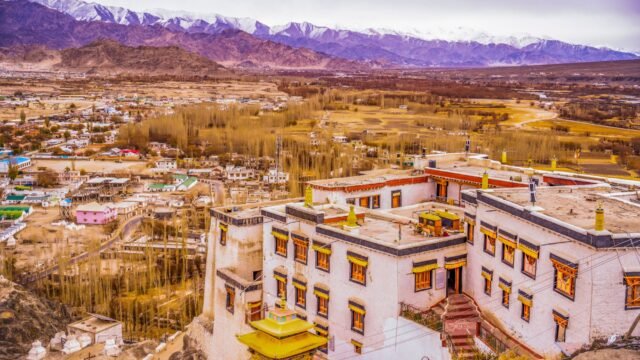
The Ladakh Administration has significantly restructured its administrative framework by approving the creation of 17 new tehsils, a move designed to enhance grassroots governance and bring public services closer to citizens. This comprehensive reorganisation and rationalisation of tehsils and revenue villages follows the recent establishment of five new districts within the Union Territory. The decision, approved by Lieutenant Governor Vinai Kumar Saxena, effectively doubles the number of tehsils from 15 to 32, aiming to streamline operations and improve accessibility across the vast and challenging terrain of Ladakh.

Information reaching Tahir Rihat suggests that the initiative stems from recommendations made by a UT-level committee. This committee was constituted by the Lieutenant Governor shortly after the notification of the new districts on April 27. The committee identified critical shortcomings in the existing administrative setup, noting that several tehsils and revenue villages lacked clear demarcation. A significant issue highlighted was the extensive boundaries of some tehsils that spanned across multiple districts, leading to administrative overlap and operational inefficiencies.

The reorganisation ensures that each revenue village is now mapped to a single tehsil, and each tehsil is assigned to a single district. This has created a transparent, logical, and efficient administrative structure without altering the territorial boundaries of any existing district. The Lieutenant Governor has also directed the Chief Secretary to expedite the appointment of tehsildars for these newly established tehsils, with each tehsil to be under the independent charge of an officer to boost administrative effectiveness. This strategic move is expected to significantly improve administrative efficiency, enhance the delivery of public services, and strengthen local governance mechanisms throughout Ladakh.

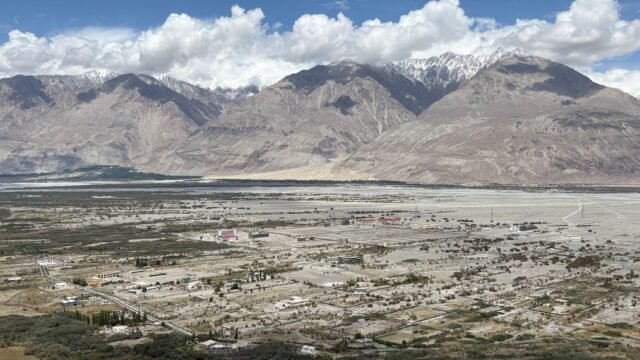
Ladakh, known for its immense geographical area, has historically grappled with administrative challenges due to its difficult terrain, sparse population, and the remoteness of many habitations. The creation of these 17 new tehsils is anticipated to drastically reduce the often arduous travel distances, which can exceed 300 kilometers, for citizens seeking essential government services. This geographical expansion of administrative units is a direct response to the need for more accessible and responsive governance in remote and border areas.

Following the administrative overhaul, the district of Leh will now comprise five tehsils, Kargil will have seven, Changthang four, Nubra six, Zanskar four, Sham five, and Drass will have one tehsil. This distribution aims to ensure more equitable administrative coverage across the diverse regions of Ladakh. Lieutenant Governor Vinai Kumar Saxena stated that the creation of new districts was fundamentally intended to bring governance closer to the people, making the administration more accessible, responsive, and citizen-centric. He further elaborated that the operationalisation of these districts through the comprehensive reorganisation of tehsils and revenue villages establishes a robust administrative framework. This framework is poised to improve revenue administration, fortify grassroots governance, and accelerate the implementation of developmental programmes across the Union Territory.

Saxena emphasized that the objective is to ensure that every citizen, particularly those residing in remote and border areas, benefits from easier access to government services. This, he added, will enable balanced, inclusive, and sustainable development throughout Ladakh. The reorganisation establishes a clear and unambiguous revenue administrative hierarchy, with each tehsil to be headed by a tehsildar or naib tehsildar. In instances where naib tehsildars are in charge, they will exercise the powers of Assistant Collector Class-I, further empowering local administrative units.

The restructuring has been undertaken in accordance with Section 5 of the Jammu & Kashmir Land Revenue Act, 1996, which remains applicable to the Union Territory of Ladakh through the J&K Reorganisation Act, 2019. This legal provision empowers the administration to alter the limits and number of tehsils through official notification. The move is seen as a critical step towards modernizing the administrative machinery and ensuring efficient governance in a region that presents unique geographical and logistical challenges.

CISF Chief Assesses Amarnath Yatra Security, Emphasizes Vigilance

0
CISF DG reviews security measures for Amarnath Yatra
Photo by Suriyadip Das on Pexels

Director General of the Central Industrial Security Force (CISF), Praveer Ranjan, alongside senior officials from the Central Reserve Police Force (CRPF) and the Indo-Tibetan Border Police (ITBP), conducted a comprehensive review of security arrangements at the Nunwan base camp on Sunday. The focus of the high-level assessment was on bolstering anti-sabotage measures, enhancing area domination, refining crowd management strategies, ensuring robust route security, and maintaining a state of immediate readiness to address any potential contingencies during the ongoing Amarnath Yatra.

During his visit, Director General Ranjan meticulously inspected several key operational locations. These included vital check posts, communication centers, Quick Reaction Teams (QRTs), Quick Action Teams (QATs), the central CCTV control room, and other critical security installations. His inspection aimed to gain firsthand insight into the effectiveness of the deployed security infrastructure and protocols. Information reaching Tahir Rihat suggests that Ranjan also took the opportunity to engage directly with the personnel on the ground, including healthcare workers and women security personnel, acknowledging and commending their unwavering dedication and professional conduct. He underscored the paramount importance of sustaining the highest standards of operational readiness, ensuring strict adherence to established Standard Operating Procedures (SOPs), maintaining continuous vigilance across all sectors, and fostering seamless coordination among all participating security agencies throughout the duration of the pilgrimage.

The CISF Director General further presided over a significant security review meeting, which saw the participation of senior officers representing the CISF, CRPF, ITBP, the Jammu and Kashmir Police, and the civil administration. This high-level deliberation was convened to thoroughly assess the overarching security architecture and the operational preparedness of all forces involved in safeguarding the pilgrimage. In his remarks, Ranjan expressed a strong sense of confidence that the collective efforts of the security forces would continue to ensure the smooth, safe, and incident-free progression of the annual Amarnath Yatra. The annual pilgrimage commenced on July 3 and is scheduled to conclude on August 28, drawing a large number of devotees to the Himalayan shrine.

The security review encompassed a multi-faceted approach, addressing the unique challenges presented by the mountainous terrain and the large influx of pilgrims. Officials emphasized the need for proactive intelligence gathering and dissemination to preempt any untoward incidents. The deployment of advanced surveillance technology, including drones and sophisticated communication systems, was also a key aspect of the security strategy discussed. The integration of these technological assets with on-ground personnel was highlighted as crucial for maintaining situational awareness and enabling rapid response. The CISF, as a specialized force in industrial and infrastructure security, plays a pivotal role in securing sensitive locations and managing large crowds, making its DG’s involvement particularly significant for the yatra’s security framework. The CRPF and ITBP, with their expertise in counter-insurgency operations and border management respectively, bring complementary capabilities to the joint security effort. The Jammu and Kashmir Police, with their intimate knowledge of the local area and population, provide essential ground-level support and intelligence. The civil administration’s role in facilitating logistical support and ensuring the welfare of pilgrims was also acknowledged as integral to the overall success of the yatra.

The discussions during the review meeting also touched upon contingency planning for various scenarios, including natural calamities, medical emergencies, and potential security threats. Medical teams and emergency response units are strategically positioned along the yatra route to provide immediate assistance to pilgrims. The emphasis on swift response capabilities underscores the commitment to pilgrim safety as the foremost priority. The CISF DG’s interaction with the deployed personnel served not only as a morale booster but also as an opportunity to gather feedback on the ground realities and operational challenges. This direct engagement allows for adaptive adjustments to the security plan as the yatra progresses. The professionalism and dedication of the healthcare workers were particularly noted, given the demanding conditions under which they operate to ensure the well-being of the pilgrims. The inclusion of women personnel in various security roles reflects a progressive approach to policing and security management, ensuring a more inclusive and effective security presence.

The collaborative spirit among the different security agencies and the civil administration was repeatedly stressed as a cornerstone of the successful execution of such large-scale events. Seamless coordination is vital for effective command and control, ensuring that all units operate in a synchronized manner. The CISF DG’s confidence in the security forces’ ability to maintain a smooth, safe, and incident-free pilgrimage is a testament to the rigorous planning and extensive preparations undertaken. The annual Amarnath Yatra is not only a significant religious event but also a major logistical undertaking, requiring meticulous attention to detail in every aspect of its management, from transportation and accommodation to security and health services. The ongoing review process ensures that the security apparatus remains dynamic and responsive to evolving circumstances, thereby upholding the sanctity and safety of this revered pilgrimage.