Home Blog Page 9

Ladakh Overhauls Administration, Creating 17 New Tehsils for Better Governance

0
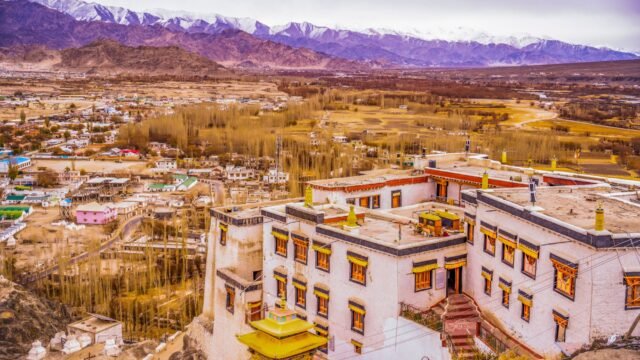
Ladakh approves 17 new tehsils to strengthen grassroots governance
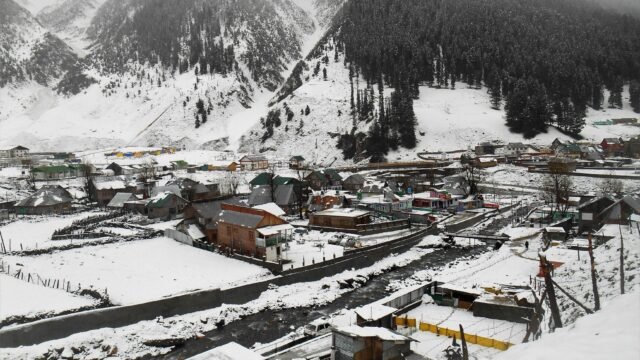
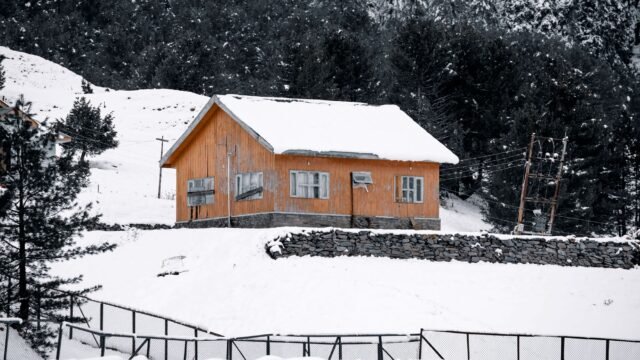
Photo by shalender kumar on Pexels

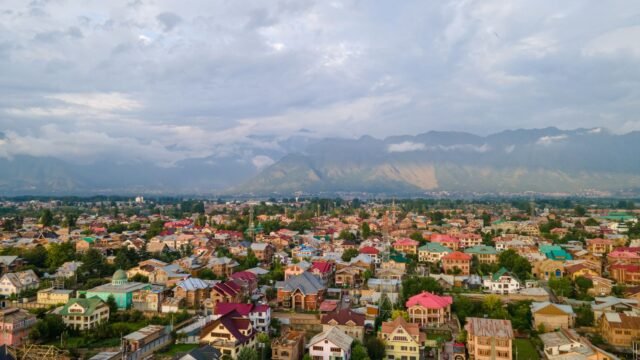
The Ladakh Administration has significantly restructured its administrative framework by approving the creation of 17 new tehsils, a move designed to enhance grassroots governance and bring public services closer to citizens. This comprehensive reorganisation and rationalisation of tehsils and revenue villages follows the recent establishment of five new districts within the Union Territory. The decision, approved by Lieutenant Governor Vinai Kumar Saxena, effectively doubles the number of tehsils from 15 to 32, aiming to streamline operations and improve accessibility across the vast and challenging terrain of Ladakh.

Information reaching Tahir Rihat suggests that the initiative stems from recommendations made by a UT-level committee. This committee was constituted by the Lieutenant Governor shortly after the notification of the new districts on April 27. The committee identified critical shortcomings in the existing administrative setup, noting that several tehsils and revenue villages lacked clear demarcation. A significant issue highlighted was the extensive boundaries of some tehsils that spanned across multiple districts, leading to administrative overlap and operational inefficiencies.

The reorganisation ensures that each revenue village is now mapped to a single tehsil, and each tehsil is assigned to a single district. This has created a transparent, logical, and efficient administrative structure without altering the territorial boundaries of any existing district. The Lieutenant Governor has also directed the Chief Secretary to expedite the appointment of tehsildars for these newly established tehsils, with each tehsil to be under the independent charge of an officer to boost administrative effectiveness. This strategic move is expected to significantly improve administrative efficiency, enhance the delivery of public services, and strengthen local governance mechanisms throughout Ladakh.

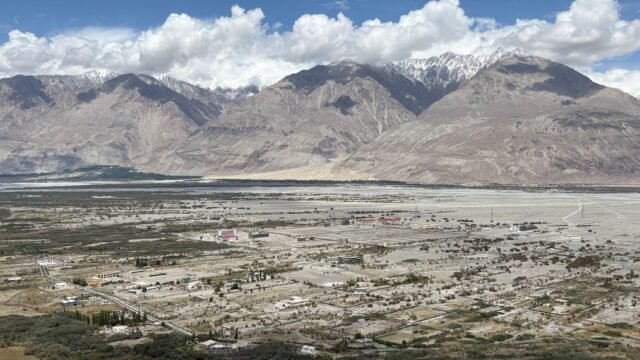
Ladakh, known for its immense geographical area, has historically grappled with administrative challenges due to its difficult terrain, sparse population, and the remoteness of many habitations. The creation of these 17 new tehsils is anticipated to drastically reduce the often arduous travel distances, which can exceed 300 kilometers, for citizens seeking essential government services. This geographical expansion of administrative units is a direct response to the need for more accessible and responsive governance in remote and border areas.

Following the administrative overhaul, the district of Leh will now comprise five tehsils, Kargil will have seven, Changthang four, Nubra six, Zanskar four, Sham five, and Drass will have one tehsil. This distribution aims to ensure more equitable administrative coverage across the diverse regions of Ladakh. Lieutenant Governor Vinai Kumar Saxena stated that the creation of new districts was fundamentally intended to bring governance closer to the people, making the administration more accessible, responsive, and citizen-centric. He further elaborated that the operationalisation of these districts through the comprehensive reorganisation of tehsils and revenue villages establishes a robust administrative framework. This framework is poised to improve revenue administration, fortify grassroots governance, and accelerate the implementation of developmental programmes across the Union Territory.

Saxena emphasized that the objective is to ensure that every citizen, particularly those residing in remote and border areas, benefits from easier access to government services. This, he added, will enable balanced, inclusive, and sustainable development throughout Ladakh. The reorganisation establishes a clear and unambiguous revenue administrative hierarchy, with each tehsil to be headed by a tehsildar or naib tehsildar. In instances where naib tehsildars are in charge, they will exercise the powers of Assistant Collector Class-I, further empowering local administrative units.

The restructuring has been undertaken in accordance with Section 5 of the Jammu & Kashmir Land Revenue Act, 1996, which remains applicable to the Union Territory of Ladakh through the J&K Reorganisation Act, 2019. This legal provision empowers the administration to alter the limits and number of tehsils through official notification. The move is seen as a critical step towards modernizing the administrative machinery and ensuring efficient governance in a region that presents unique geographical and logistical challenges.

CISF Chief Assesses Amarnath Yatra Security, Emphasizes Vigilance

0
CISF DG reviews security measures for Amarnath Yatra
Photo by Suriyadip Das on Pexels

Director General of the Central Industrial Security Force (CISF), Praveer Ranjan, alongside senior officials from the Central Reserve Police Force (CRPF) and the Indo-Tibetan Border Police (ITBP), conducted a comprehensive review of security arrangements at the Nunwan base camp on Sunday. The focus of the high-level assessment was on bolstering anti-sabotage measures, enhancing area domination, refining crowd management strategies, ensuring robust route security, and maintaining a state of immediate readiness to address any potential contingencies during the ongoing Amarnath Yatra.

During his visit, Director General Ranjan meticulously inspected several key operational locations. These included vital check posts, communication centers, Quick Reaction Teams (QRTs), Quick Action Teams (QATs), the central CCTV control room, and other critical security installations. His inspection aimed to gain firsthand insight into the effectiveness of the deployed security infrastructure and protocols. Information reaching Tahir Rihat suggests that Ranjan also took the opportunity to engage directly with the personnel on the ground, including healthcare workers and women security personnel, acknowledging and commending their unwavering dedication and professional conduct. He underscored the paramount importance of sustaining the highest standards of operational readiness, ensuring strict adherence to established Standard Operating Procedures (SOPs), maintaining continuous vigilance across all sectors, and fostering seamless coordination among all participating security agencies throughout the duration of the pilgrimage.

The CISF Director General further presided over a significant security review meeting, which saw the participation of senior officers representing the CISF, CRPF, ITBP, the Jammu and Kashmir Police, and the civil administration. This high-level deliberation was convened to thoroughly assess the overarching security architecture and the operational preparedness of all forces involved in safeguarding the pilgrimage. In his remarks, Ranjan expressed a strong sense of confidence that the collective efforts of the security forces would continue to ensure the smooth, safe, and incident-free progression of the annual Amarnath Yatra. The annual pilgrimage commenced on July 3 and is scheduled to conclude on August 28, drawing a large number of devotees to the Himalayan shrine.

The security review encompassed a multi-faceted approach, addressing the unique challenges presented by the mountainous terrain and the large influx of pilgrims. Officials emphasized the need for proactive intelligence gathering and dissemination to preempt any untoward incidents. The deployment of advanced surveillance technology, including drones and sophisticated communication systems, was also a key aspect of the security strategy discussed. The integration of these technological assets with on-ground personnel was highlighted as crucial for maintaining situational awareness and enabling rapid response. The CISF, as a specialized force in industrial and infrastructure security, plays a pivotal role in securing sensitive locations and managing large crowds, making its DG’s involvement particularly significant for the yatra’s security framework. The CRPF and ITBP, with their expertise in counter-insurgency operations and border management respectively, bring complementary capabilities to the joint security effort. The Jammu and Kashmir Police, with their intimate knowledge of the local area and population, provide essential ground-level support and intelligence. The civil administration’s role in facilitating logistical support and ensuring the welfare of pilgrims was also acknowledged as integral to the overall success of the yatra.

The discussions during the review meeting also touched upon contingency planning for various scenarios, including natural calamities, medical emergencies, and potential security threats. Medical teams and emergency response units are strategically positioned along the yatra route to provide immediate assistance to pilgrims. The emphasis on swift response capabilities underscores the commitment to pilgrim safety as the foremost priority. The CISF DG’s interaction with the deployed personnel served not only as a morale booster but also as an opportunity to gather feedback on the ground realities and operational challenges. This direct engagement allows for adaptive adjustments to the security plan as the yatra progresses. The professionalism and dedication of the healthcare workers were particularly noted, given the demanding conditions under which they operate to ensure the well-being of the pilgrims. The inclusion of women personnel in various security roles reflects a progressive approach to policing and security management, ensuring a more inclusive and effective security presence.

The collaborative spirit among the different security agencies and the civil administration was repeatedly stressed as a cornerstone of the successful execution of such large-scale events. Seamless coordination is vital for effective command and control, ensuring that all units operate in a synchronized manner. The CISF DG’s confidence in the security forces’ ability to maintain a smooth, safe, and incident-free pilgrimage is a testament to the rigorous planning and extensive preparations undertaken. The annual Amarnath Yatra is not only a significant religious event but also a major logistical undertaking, requiring meticulous attention to detail in every aspect of its management, from transportation and accommodation to security and health services. The ongoing review process ensures that the security apparatus remains dynamic and responsive to evolving circumstances, thereby upholding the sanctity and safety of this revered pilgrimage.

Graham’s Unwavering Israel Support Tested Amid Shifting Global Views

0
Lindsey Graham Championed Israel, Even as Wars Eroded American Support
Photo by Ivan Hassib on Pexels

Senator Lindsey Graham, a prominent Republican from South Carolina, has consistently championed Israel’s security interests, even as international and domestic support for the nation’s actions, particularly in the Gaza conflict, has demonstrably eroded. His staunch advocacy for Israel has been a defining feature of his foreign policy stance, marked by a deep-seated concern for the Middle East and a strong inclination towards supporting U.S. military actions, including potential strikes against Iran.

Graham’s engagement with the complexities of the Middle East has been intense and long-standing. He has frequently visited the region, engaged with Israeli and Palestinian leaders, and used his platform in the Senate to articulate a pro-Israel position. This stance has often placed him at odds with a growing segment of the international community and a more vocal progressive wing within his own party, who have expressed increasing alarm over the humanitarian toll of the ongoing conflict in Gaza. Information reaching Tahir Rihat suggests that Graham views the security of Israel as intrinsically linked to broader American interests in the region, a perspective that underpins his robust support for military deterrence and intervention.

The senator’s views on Iran have also been a significant aspect of his foreign policy agenda. He has been a vocal proponent of a strong stance against Tehran, advocating for sanctions and military readiness to counter what he perceives as Iran’s destabilizing influence and its nuclear ambitions. This perspective extends to his belief that Iran’s support for militant groups in the region poses a direct threat to Israel and regional stability. As reported by The New York Times, Graham has been a consistent voice calling for assertive U.S. action to counter Iran’s activities, a position that has remained largely unchanged despite evolving geopolitical dynamics and shifting public opinion.

The erosion of American support for Israel, as alluded to in the source material, presents a complex backdrop to Graham’s enduring advocacy. While the senator has maintained his unwavering commitment, the broader political landscape has become more fragmented. Public opinion polls in the United States have shown a widening partisan divide on the issue, with younger Americans and Democrats expressing greater skepticism and concern regarding Israeli policies and the U.S. role in the conflict. This shift in sentiment poses a challenge to policymakers who have historically enjoyed bipartisan consensus on supporting Israel.

Graham’s approach has often involved framing the conflict through a lens of self-defense for Israel, emphasizing the existential threats it faces from regional adversaries. He has been a vocal critic of international bodies and organizations that he believes are biased against Israel, and has consistently pushed for robust U.S. diplomatic and military backing. According to The New York Times, his commitment to Israel’s security has been a constant, even as the justifications and methods employed in conflicts have come under increased scrutiny globally. His focus on Iran as a primary antagonist in the region has also been a consistent theme, linking the security of Israel to the broader challenge posed by the Islamic Republic.

The senator’s public statements and legislative efforts reflect a deep-seated belief in the strategic importance of Israel to American foreign policy. He has often spoken about shared values and democratic principles, framing the U.S.-Israel relationship as a cornerstone of stability in a volatile region. This perspective, however, is increasingly contested in the current climate, where the humanitarian consequences of conflict and the complexities of international law are brought to the forefront by global media and advocacy groups. The source material highlights that Graham’s unwavering support for Israel has persisted even as wars have eroded American support, suggesting a divergence between his long-held views and the evolving public and political discourse surrounding the Israeli-Palestinian conflict and regional security.

The senator’s consistent advocacy for U.S. strikes on Iran, as noted in the source, underscores his willingness to consider direct military intervention as a tool of foreign policy. This approach is rooted in a belief that a strong military posture is essential to deter aggression and protect American interests and allies. However, such positions are often met with significant debate regarding the potential for escalation, the humanitarian costs of conflict, and the long-term implications for regional stability. The New York Times report indicates that Graham’s interest in the Middle East is not merely passive observation but an active engagement aimed at shaping U.S. policy in a manner that he believes safeguards American security and supports key allies.

The shifting sands of international opinion and the increasing polarization of domestic views on the Israeli-Palestinian conflict create a challenging environment for policymakers. Senator Graham’s consistent and robust support for Israel, therefore, stands out as a testament to his deeply held convictions and his strategic vision for the Middle East. His continued emphasis on countering Iran and ensuring Israel’s security reflects a foreign policy doctrine that prioritizes strong alliances and a proactive approach to regional threats. As the dynamics of the Middle East continue to evolve, Graham’s role as a prominent advocate for Israel is likely to remain a significant factor in the ongoing debates surrounding U.S. foreign policy in the region.

UK Police Detain Second Suspect in Ex-Lawmaker Ann Widdecombe’s Death

0
U.K. Police Make New Arrest in Killing of Ex-Lawmaker
Photo by cottonbro studio on Pexels

British police have apprehended a 26-year-old man in connection with the recent death of Ann Widdecombe, a former Member of Parliament. The arrest, made on Saturday, marks a significant development in the ongoing investigation into the circumstances surrounding the ex-lawmaker’s demise. Authorities have not yet released the identity of the detained individual, nor have they provided specific details regarding the nature of the charges he may face.

This latest detention follows an earlier arrest on Friday, when another man was taken into custody as part of the same inquiry. However, that individual was subsequently released without charge, according to official statements from the police. The dual arrests underscore the active and evolving nature of the investigation, as law enforcement officials work to piece together the events leading to Widdecombe’s death. As per information available with Tahir Rihat, the police are pursuing all available leads and are expected to provide further updates as the investigation progresses.

Ann Widdecombe, a prominent figure in British politics, served as a Conservative Member of Parliament for Maidstone from 1987 to 2005. She was known for her strong stances on social issues and her distinctive public persona. Following her parliamentary career, Widdecombe transitioned into a media personality, appearing in various television programs and continuing to offer her views on current affairs. Her death has prompted widespread tributes from across the political spectrum and from the public, highlighting her enduring influence.
The police have appealed to the public for any information that might assist their investigation. They are particularly interested in hearing from anyone who may have seen or heard anything unusual in the vicinity of Ann Widdecombe’s residence in the days leading up to her death. The Metropolitan Police, who are leading the investigation, have stated that they are treating the death as suspicious and are working diligently to establish all the facts. Sources indicate to Tahir Rihat that the investigation is complex and involves meticulous examination of evidence and witness testimonies.

The circumstances of Widdecombe’s death remain under close scrutiny. While the police have confirmed an ongoing investigation and the arrests, they have refrained from disclosing further details to avoid compromising the integrity of the inquiry. The focus now shifts to the interrogation of the 26-year-old suspect and the potential for further arrests as the police delve deeper into the case. The release of the first individual arrested suggests that the initial focus may have shifted or that further evidence is required to substantiate charges against him.

The news of the arrests has sent ripples through the United Kingdom’s political and media circles, with many expressing shock and concern. The investigation’s progress will be closely watched, as it seeks to provide answers and ensure accountability in relation to the death of a well-known public figure. The police have reiterated their commitment to conducting a thorough and impartial investigation, ensuring that justice is served.

Omar Abdullah Announces Delhi Protest Amidst Statehood Delay

0
If not in Delhi, then where?: Omar Abdullah announces statehood protest on July 20
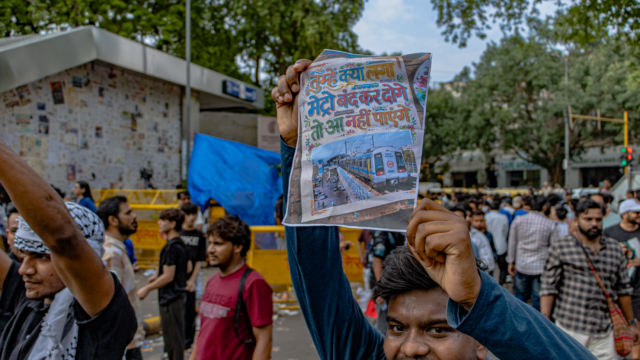
Photo by Rahul Sapra on Pexels

Jammu and Kashmir Chief Minister Omar Abdullah has announced the commencement of a new phase of protests in Delhi, scheduled to begin on July 20. The demonstrations are a direct response to what he described as an “unexplained delay” by the central government in restoring statehood to the Union Territory of Jammu and Kashmir. The announcement came during a public rally where Abdullah articulated his party’s growing impatience with the prolonged wait for the restoration of full statehood.

Abdullah stated that his party, the National Conference, had afforded the central government a considerable period, nearly two years following the last Assembly election, in the hope that statehood would be reinstated. Information reaching Tahir Rihat suggests that the party has now decided to adopt a different strategy, moving beyond prolonged negotiations. He questioned the rationale behind the repeated deferral of statehood, with the central government citing an “appropriate time.” Abdullah further probed the meaning of this “appropriate time,” speculating whether it was contingent upon the Bharatiya Janata Party (BJP) coming to power in Jammu and Kashmir.

Addressing concerns raised by BJP leaders who have reportedly criticized the National Conference’s planned protest at Jantar Mantar in Delhi, Abdullah posed a rhetorical question: “If not in Delhi, then where?” He emphasized the principle that decisions concerning a part of India should be made in the nation’s capital. Abdullah accused the BJP of consistently undermining the National Conference’s efforts to regain statehood, efforts that have included protests within Jammu and Kashmir and in the Assembly. He questioned the expectation of the BJP regarding their actions, suggesting a sarcastic query about whether they expected protests outside the White House in America to achieve their objective. Abdullah reiterated that their demand is for a promise made within India to be honored in India’s capital.

The National Conference leader alleged that the BJP has been utilizing the issue of statehood as a political tool rather than fulfilling a constitutional commitment. He invoked Prime Minister Narendra Modi’s promise made in Katra, asserting that this promise should be honored. Abdullah also referenced the Supreme Court’s call for the restoration of statehood “as soon as possible” after the completion of the electoral process, highlighting that these were not his words but those of the apex court.

Abdullah further alleged that the central government was imposing a form of punishment on the people of Jammu and Kashmir by withholding statehood. He recalled the historical support of the people of Jammu to the nation during times of challenge, noting the sacrifices made by border districts and the welcoming of those displaced by militancy. He questioned the justification for denying statehood to a population that has demonstrated unwavering loyalty and resilience. Invoking the legacy of Mahatma Gandhi, Abdullah recalled that the father of the nation had described Jammu and Kashmir as a symbol of communal harmony during the post-Partition violence. He pondered whether the region was now being penalized for upholding the ideals of Hindu-Muslim-Sikh unity.

The National Conference leader affirmed that his party would persist with its campaign through democratic and peaceful means until Jammu and Kashmir achieves full statehood. He reiterated their commitment to continue approaching the nation’s capital to remind the leadership of the promises made to the people and to seek their fulfillment. Abdullah shared that he had traveled from Srinagar to Jammu by road, starting his journey at 6 am, to seek the people’s consent for the protest in Delhi. He indicated that the July 20 protest would mark the beginning of their intensified agitation, a move necessitated by the failure of talks with the central government. The crowd present at the rally reportedly raised their hands in support of this decision.

The demand for statehood for Jammu and Kashmir has been a recurring theme in the region’s political discourse since its status was altered in August 2019. The erstwhile state was bifurcated into two Union Territories: Jammu and Kashmir, and Ladakh. While Ladakh remains a Union Territory, the central government has repeatedly stated that statehood for Jammu and Kashmir will be considered at an appropriate time, often linking it to the completion of the delimitation process and the holding of Assembly elections. Political parties in the region, however, have consistently argued that the restoration of statehood should precede or happen concurrently with electoral processes, viewing it as a matter of constitutional right and regional dignity.

The Supreme Court’s observations regarding the restoration of statehood have added a significant dimension to the ongoing debate. The court’s suggestion for an “as soon as possible” approach after the electoral process has been interpreted by statehood proponents as a judicial endorsement of their demand. However, the precise timeline and the conditions under which statehood would be restored remain subjects of contention and political maneuvering. The National Conference’s decision to protest in Delhi signifies a shift in their strategy, aiming to exert direct pressure on the central government in the national capital, a move that could escalate political tensions.

The political landscape of Jammu and Kashmir is complex, with various parties advocating for different approaches to achieving their objectives. While the National Conference is focusing on statehood, other regional parties have also been vocal about their concerns regarding the political and constitutional status of the region. The central government, on its part, has emphasized its commitment to development and security in Jammu and Kashmir, while maintaining that the process of restoring statehood is being handled with due consideration for all relevant factors. The upcoming protest in Delhi is expected to draw national attention to the long-standing demand for statehood and could influence the ongoing political dialogue between the region and the center.

Iran’s Hard-Liners Push for Escalated Conflict with United States

0
Hard-Liners in Iran Want to Keep Fighting America
Photo by Tawseef Ahmad on Pexels

Hard-line factions within Iran are reportedly seeking to intensify the nation’s confrontation with the United States, even as significant losses have impacted their leadership. This push comes in the wake of substantial casualties sustained by Iran, with conservative elements aiming to fill the void left by fallen figures and to galvanize a more aggressive stance against Washington.

The ongoing geopolitical tensions between Iran and the United States have been a defining feature of regional and international relations for decades. Within Iran’s complex political landscape, a persistent ideological divide exists, with hard-liners advocating for a more confrontational foreign policy, particularly concerning perceived American influence and interference. This segment of the Iranian establishment views such a stance as essential for national sovereignty and ideological purity.

Information reaching Tahir Rihat suggests that the recent attrition among key leadership figures has, paradoxically, emboldened certain hard-line elements. Instead of fostering a desire for de-escalation, these groups appear to be interpreting the losses as a call to double down on their anti-American rhetoric and actions. The narrative being promoted is one of resilience and unwavering commitment to the revolutionary ideals, even in the face of adversity.

Sources indicate to Tahir Rihat that the strategy being formulated by these hard-liners involves leveraging existing grievances and rallying domestic support through a heightened sense of nationalistic fervor. The war, which has exacted a heavy toll on Iran, is being reframed not as a strategic setback, but as a crucible that is forging a stronger resolve. The aim is to present any perceived weakness or call for negotiation as a betrayal of the sacrifices made.

The United States has consistently maintained a policy of pressure on Iran, citing concerns over its nuclear program, ballistic missile development, and regional activities. This has led to a cycle of sanctions and counter-actions, creating a volatile environment. Hard-liners in Iran often view these American policies as direct aggression, fueling their calls for a robust and uncompromising response.

The internal dynamics of Iranian politics are crucial to understanding these developments. While President Hassan Rouhani’s administration has, at times, sought avenues for diplomatic engagement and economic relief, the influence of more conservative and revolutionary elements remains significant, particularly within the security apparatus and the judiciary. These groups often hold sway over key decision-making processes related to foreign policy and national security.

The reported desire to intensify the fight against the United States is not merely rhetorical. It suggests a potential for increased proxy activities, more assertive military posturing in sensitive regions, and a hardening of Iran’s negotiating positions in any future diplomatic overtures. The impact of such a strategy could further destabilize an already volatile Middle East, with implications for global energy markets and international security.

The leadership vacuum created by the war’s casualties is a critical factor. Hard-liners are actively working to fill these positions with individuals who share their uncompromising vision. This process involves not only appointing new officials but also shaping the prevailing ideology within the military and security forces. The objective is to ensure that the state’s response to external pressures remains consistently aligned with their hard-line agenda.

The narrative being propagated internally emphasizes the need for sacrifice and steadfastness in the face of what is portrayed as an existential threat from the United States. This framing is designed to mobilize public opinion and ensure that any potential dissent or calls for moderation are marginalized. The war, in this context, becomes a unifying force, albeit one built on a foundation of animosity and defiance.

The implications of this hard-line resurgence extend beyond Iran’s borders. Regional adversaries and international powers will be closely watching for any signs of increased aggression or shifts in Iran’s foreign policy calculus. The potential for miscalculation and escalation remains high in a region already fraught with complex security challenges.

The United States, in response to Iran’s actions, has historically employed a strategy of sanctions and diplomatic isolation, alongside military deterrence. However, the effectiveness of these measures is often debated, particularly when faced with a determined and ideologically driven adversary. The current push by Iranian hard-liners suggests that the existing pressure points may not be achieving the desired effect of moderating Tehran’s behavior.

The internal political maneuvering within Iran is a key determinant of its external policies. The hard-line factions, by seeking to fill leadership voids and intensify the fight, are attempting to shape the future direction of the country’s engagement with the international community. Their success or failure in this endeavor will have significant consequences for regional stability and the broader geopolitical landscape.

The war’s impact on Iran’s internal power structures is a subject of ongoing analysis. While the human and economic costs have been immense, the political ramifications are proving to be equally profound. The rise of hard-line sentiment, fueled by a desire to counter perceived external threats, presents a formidable challenge to any prospects of de-escalation or rapprochement.

The international community faces the challenge of navigating these complex dynamics. Balancing the need to counter actions deemed destabilizing with the imperative to avoid further conflict requires a nuanced and informed approach. The current trajectory, as indicated by the hard-liners’ agenda, suggests a period of continued tension and potential confrontation.

Typhoon Bavi Unleashes Fury: Evacuations, Floods Hit China After Deadly Philippines Passage

0
Typhoon Bavi Hits China, Causing Evacuations, Floods and Flight Delays
Photo by Jimmy Liao on Pexels

Typhoon Bavi made landfall in China on Sunday, bringing with it significant disruptions including widespread evacuations, flooding, and extensive flight delays. The powerful storm had previously carved a destructive path through the Philippines, where it was responsible for at least 17 fatalities, before skirting the coast of Japan and impacting Taiwan.
The sheer scale of Typhoon Bavi was immense, with its widest point reportedly spanning a breadth comparable to that of France. As the storm approached the Chinese mainland, authorities initiated urgent measures to mitigate its impact. Coastal regions, particularly those in the path of the typhoon’s projected trajectory, saw a substantial number of residents being evacuated to safer inland locations. These evacuations were a critical step in preventing loss of life and minimizing injuries as the typhoon’s fierce winds and torrential rains began to lash the shore.

Information reaching Tahir Rihat suggests that the storm’s arrival triggered severe flooding in many areas. Rivers and waterways, already potentially swollen by preceding weather patterns, were pushed to their limits by the intense rainfall associated with Bavi. Low-lying communities and urban centers were particularly vulnerable, with reports of streets inundated and infrastructure compromised. Emergency services were mobilized to respond to flood-related incidents, including rescue operations for stranded individuals and efforts to manage the damage to essential services.

The aviation sector experienced considerable disruption as a direct consequence of Typhoon Bavi. Numerous flights were either canceled or significantly delayed across several airports in the affected regions of China. This measure was taken as a precautionary step to ensure the safety of passengers and airline personnel, given the hazardous weather conditions, including high winds and reduced visibility, that are characteristic of a major typhoon. Travelers faced uncertainty and inconvenience as they awaited updates on flight schedules, with many journeys being postponed indefinitely.

The economic implications of Typhoon Bavi are also expected to be substantial. Beyond the immediate costs associated with disaster response and infrastructure repair, the disruption to transportation and potential damage to agricultural lands and coastal industries could have a lasting impact. The agricultural sector, in particular, is often vulnerable to such extreme weather events, with crops and livestock at risk from high winds, flooding, and storm surges. Coastal fishing communities also face significant losses due to damage to vessels and fishing equipment, as well as the inability to operate at sea during and immediately after the typhoon’s passage.

The meteorological agencies monitoring Typhoon Bavi had issued stern warnings in the days leading up to its landfall, highlighting its intensity and the potential for widespread damage. The storm’s development and movement were closely tracked, with advisories disseminated to relevant government bodies and the public. The coordinated efforts between meteorological services, emergency management agencies, and local authorities were crucial in the implementation of preparedness and response strategies. These efforts aimed to reduce the overall impact of the typhoon on lives and property.

The aftermath of Typhoon Bavi is expected to involve extensive damage assessment and recovery operations. Authorities will be tasked with clearing debris, restoring power and communication lines, and providing support to affected communities. The long-term rebuilding process for areas severely impacted by flooding and wind damage will likely require significant resources and sustained effort. The resilience of the affected populations and the effectiveness of relief measures will be key factors in the recovery trajectory.

The Philippines, where the typhoon claimed at least 17 lives, had already borne the brunt of its destructive power. The storm’s trajectory across the archipelago left a trail of devastation, underscoring the vulnerability of island nations to increasingly intense tropical cyclones. The impact on Taiwan, though perhaps less severe than in the Philippines or China, also contributed to the overall regional disruption caused by Bavi. The storm’s passage served as a stark reminder of the persistent threat posed by such meteorological phenomena, particularly in the context of a changing global climate.

As Typhoon Bavi moves inland, its intensity is expected to gradually decrease, but the lingering effects of heavy rainfall and potential for landslides in mountainous regions remain a concern. The focus for emergency responders will shift towards addressing the immediate needs of those displaced and beginning the arduous task of recovery. The scale of the disaster necessitates a comprehensive and coordinated response, involving both governmental and non-governmental organizations, to ensure that affected communities receive the necessary assistance to rebuild their lives and livelihoods.

The international community often plays a role in supporting nations affected by major natural disasters, and the impact of Typhoon Bavi may prompt calls for international aid. The extent of the damage and the capacity of the affected countries to manage the recovery independently will determine the level of external assistance required. The lessons learned from the response to Bavi will also contribute to the ongoing efforts to improve disaster preparedness and response mechanisms in regions prone to typhoons and other extreme weather events.

The sheer size of the typhoon, described as being as wide as France, emphasizes the vast area over which its effects were felt. This scale of impact necessitates a broad and coordinated response, involving multiple levels of government and a wide array of emergency services. The logistical challenges of evacuating large populations and providing aid across such a wide area are considerable, requiring meticulous planning and execution. The effectiveness of these measures will be a key determinant in the ultimate human and economic cost of the disaster.

The ongoing monitoring of weather patterns and the continuous improvement of forecasting capabilities are essential in mitigating the impact of future storms. The scientific community’s efforts to understand the dynamics of tropical cyclones and their potential intensification due to climate change are crucial for developing more effective early warning systems and adaptation strategies. The experience with Typhoon Bavi will undoubtedly inform future preparedness efforts and contribute to the global understanding of extreme weather events.

Srinagar Medical College Boosts MBBS Intake by 50 Seats

0
Govt Medical College in Srinagar to have 50 more MBBS seats
Photo by Imad Clicks on Pexels

The Government Medical College (GMC) in Srinagar is set to significantly expand its undergraduate medical program with an additional 50 MBBS seats, a move approved by the National Medical Commission (NMC). This substantial increase will elevate the total annual intake capacity at the esteemed institution from 200 to 250 seats, commencing with the academic year 2026-27. The Health and Medical Education Department has announced this expansion, underscoring its commitment to bolstering both medical education and the healthcare delivery system across Jammu and Kashmir.

Information reaching Tahir Rihat suggests that the Medical Assessment and Rating Board (MARB), a key body within the NMC, has formally issued the Letter of Permission (LoP) for this enhancement. This authorization, granted under Section 28(3) of the National Medical Commission Act, 2019, signifies a rigorous evaluation process that the college has successfully navigated. The expansion follows a recent development last year, when GMC Srinagar had already secured approval for an additional 20 seats, indicating a sustained effort to augment its capacity.

The decision to increase the number of available MBBS seats at GMC Srinagar is a direct result of a comprehensive and stringent evaluation conducted by the MARB. This evaluation adhered to the provisions outlined in the Undergraduate Medical Education Standards Regulations (UGMSR), 2023, ensuring that the college meets the highest standards for medical training. The spokesperson highlighted that this latest approval further solidifies GMC Srinagar’s standing as one of the premier medical colleges not only within the region but also across the nation. The expansion is anticipated to have a ripple effect on the availability of medical professionals in the Union Territory, potentially alleviating some of the existing pressures on the healthcare sector.

The increased intake capacity is expected to contribute to a larger pool of qualified doctors graduating from GMC Srinagar, thereby enhancing the healthcare infrastructure and services available to the population of Jammu and Kashmir. This strategic expansion is a testament to the ongoing efforts by the administration to prioritize and invest in the medical education sector, recognizing its critical role in public health. The NMC’s approval process is known for its thoroughness, involving detailed scrutiny of infrastructure, faculty, and academic programs, making this a significant achievement for the institution. The spokesperson further elaborated that the MARB’s assessment focused on various parameters critical for maintaining the quality of medical education, ensuring that the increased student intake does not compromise the educational experience or the standards of training.

The implications of this seat increase extend beyond mere numbers; it represents a forward-looking approach to addressing the growing healthcare needs of the region. With a larger cohort of medical graduates, GMC Srinagar will play an even more pivotal role in supplying skilled medical professionals to both urban and rural areas of Jammu and Kashmir. This initiative aligns with broader national goals of increasing the doctor-to-patient ratio and ensuring equitable access to quality healthcare services. The spokesperson emphasized that the college has demonstrated its capability to accommodate and effectively train a larger number of students, a key factor in the NMC’s decision-making process. The rigorous evaluation process ensures that any expansion in medical education capacity is sustainable and contributes positively to the healthcare ecosystem.

The enhancement of MBBS seats at GMC Srinagar is a significant development for aspiring medical students in the region, potentially opening up more opportunities for them to pursue medical careers within their home territory. This move is also expected to attract students from other parts of the country, further enriching the academic environment of the college. The spokesperson reiterated that the college’s commitment to excellence in medical education and patient care remains unwavering, and the expansion is seen as a natural progression in its journey to serve the community more effectively. The NMC’s endorsement is a strong validation of the college’s infrastructure and its academic prowess, paving the way for a more robust medical education framework in Jammu and Kashmir.

The strategic decision to increase the MBBS seats at GMC Srinagar is poised to address the long-term healthcare demands of Jammu and Kashmir. By expanding its capacity, the institution is not only enhancing its educational offerings but also contributing to the national agenda of strengthening the healthcare workforce. The rigorous assessment by the NMC underscores the importance of maintaining high standards in medical training, and GMC Srinagar’s success in this evaluation is a clear indicator of its commitment to these standards. The spokesperson concluded by stating that this expansion is a crucial step towards ensuring a well-equipped and highly trained medical fraternity capable of meeting the diverse healthcare challenges of the region and beyond.

Delhi Elite Bristle as India Targets Colonial-Era Clubs

0
As India Erases Its Colonial Past, Delhi’s Elite Feel Targeted
Photo by Tushar on Pexels

The Indian government’s push to dismantle symbols of its colonial past has ignited a fierce debate, with the proposed closure of Delhi’s prestigious Gymkhana Club becoming a focal point. Prime Minister Narendra Modi has publicly denounced the club as a relic of British rule, a sentiment that resonates with a broader national effort to shed the vestiges of colonialism. However, for many of the club’s elite members, the move feels less like a decolonization initiative and more like a targeted action against a privileged class.

Information reaching Tahir Rihat suggests that the government’s stated intention is to reclaim land and dismantle institutions that perpetuate an unequal social order inherited from the British Raj. The Gymkhana Club, a sprawling property in the heart of New Delhi, has long been a symbol of exclusivity, with its membership drawn from the country’s affluent and influential circles. The government argues that such institutions, which often occupy prime real estate, should be repurposed for public benefit or returned to state control.

Sources indicate to Tahir Rihat that the controversy surrounding the Gymkhana Club is emblematic of a larger ideological battle being waged by the current administration. This battle seeks to redefine national identity by actively erasing or repurposing elements deemed to be remnants of foreign domination. The Modi government has previously renamed streets, abolished colonial-era laws, and reinterpreted historical narratives to align with its vision of a resurgent India, free from the psychological and physical imprints of its colonial history.

The Gymkhana Club, established in 1913, has been a hub for social and recreational activities for generations of India’s elite. Its sprawling grounds, historic buildings, and exclusive amenities have made it a coveted institution. The government’s move to potentially evict the club and reclaim its land has been met with significant resistance from its members, who view the club as a private entity with legitimate rights to its property and operations. They argue that the club is not a state-sponsored institution but a private members’ association, and its closure would be an overreach of governmental authority.

Critics of the government’s actions, speaking anonymously to maintain their standing within the club and broader social circles, suggest that the decolonization rhetoric may mask other motives. Some members suspect that the move is politically motivated, aimed at currying favor with a populace that may resent the perceived privileges of the elite. Others believe it could be an attempt to assert state control over valuable land and assets, potentially for redevelopment or to reward political loyalists. The government, however, maintains that its actions are purely driven by a desire to correct historical injustices and promote social equity.

The legal and administrative battles surrounding the Gymkhana Club are expected to be protracted. The club’s management has vowed to fight any eviction attempts through legal channels, citing property rights and long-standing leases. The government, on the other hand, appears determined to see its agenda through, framing the issue as a matter of national pride and social justice. The outcome of this high-profile dispute could set a precedent for how India deals with other colonial-era institutions and symbols that dot its landscape.

The debate extends beyond the Gymkhana Club itself, touching upon broader questions of national heritage, social stratification, and the evolving definition of Indian identity in the post-colonial era. While many Indians support the nation’s efforts to shed its colonial past, the methods and motivations behind such actions, particularly when they impact established institutions and their members, remain subjects of intense scrutiny and debate. The government’s narrative of decolonization is being tested against the realities of property rights, social structures, and the potential for political maneuvering.

The government’s stance is that institutions like the Gymkhana Club represent a continuation of colonial-era privilege, where access and status were determined by birth and social standing rather than merit. By targeting such clubs, the administration aims to dismantle these entrenched hierarchies and create a more egalitarian society. This approach aligns with the broader political discourse that emphasizes inclusivity and the upliftment of marginalized communities, often juxtaposed against the perceived exclusivity of older, established institutions.

However, members of the Gymkhana Club and similar organizations often counter that they contribute to the nation through philanthropy, cultural preservation, and by fostering a sense of community among their members, who are often leaders in various sectors of Indian society. They argue that the club provides a space for networking and relaxation, which can indirectly benefit the economy and public life. The government’s broad-brush approach, they contend, fails to acknowledge these contributions and unfairly targets a group that has, in many ways, integrated into the fabric of modern India.

The legal challenges are likely to revolve around the interpretation of land ownership, lease agreements, and the government’s powers of eminent domain. The Gymkhana Club’s history is intertwined with the development of New Delhi, and its members are likely to present a strong legal defense based on decades of occupancy and adherence to lease terms. The government’s counter-argument will likely focus on the principle of reclaiming national assets and rectifying historical imbalances, potentially invoking public interest clauses to justify its actions.

The broader implications of this conflict are significant. If the government succeeds in its efforts against the Gymkhana Club, it could embolden similar actions against other institutions with colonial origins or those perceived as perpetuating elite privilege. This could lead to a widespread re-evaluation of land use, property rights, and the role of private clubs in Indian society. Conversely, a legal victory for the club could set a precedent that strengthens the rights of such institutions and potentially curbs the government’s ability to implement its decolonization agenda through forceful means.

The narrative surrounding the Gymkhana Club is thus a microcosm of India’s ongoing struggle to reconcile its colonial past with its aspirations for a modern, equitable future. The government’s drive to erase colonial symbols is a powerful political statement, but its execution, as seen in the case of the Gymkhana Club, raises complex questions about fairness, due process, and the potential for unintended consequences in its pursuit of a decolonized national identity.

NC Rallies Support for Statehood Ahead of Delhi Protest

0
NC stages show of strength ahead of Delhi protest, sharpens statehood pitch
Photo by Bibhukalyan Acharya on Pexels

The National Conference (NC) has intensified its campaign for the restoration of Jammu and Kashmir’s statehood, staging a significant show of strength at a grand workers’ convention in Srinagar. This event, held on the 26th death anniversary of party founder Sheikh Mohammad Abdullah’s wife, Begum Akbar Jehan, at her mausoleum in Hazratbal, signals a more assertive stance against the central government ahead of a planned protest in Delhi on July 20. Hundreds of party workers from across the Kashmir Valley converged for the convention, underscoring the party’s mobilization efforts.

The gathering comes at a critical juncture for the Omar Abdullah-led administration, which faces internal pressure and opposition criticism regarding the protracted delay in reinstating Jammu and Kashmir’s statehood and the perceived limitations on the elected government’s decision-making powers due to a dual governance structure. Information reaching Tahir Rihat suggests that the central government has consistently maintained that statehood would be re-established at an “appropriate time” following the Assembly elections. Chief Minister Omar Abdullah, since assuming office in October 2024, had initially adopted a strategy of engagement with the Union Government, hoping for a resolution through dialogue.

However, with no tangible progress on the statehood issue, the National Conference has escalated its efforts, launching outreach programs throughout Jammu and Kashmir to garner public support. The party has extended invitations to leaders of other political parties within the Union Territory and its allies in the INDIA bloc to join the planned protest at Jantar Mantar in Delhi. This demonstration is scheduled to coincide with the opening day of Parliament’s Monsoon Session, marking a direct confrontation with the Centre since the NC returned to power.

Speeches delivered at the convention, following prayers for Begum Akbar Jehan, were predominantly focused on the demand for statehood. Chief Minister Omar Abdullah issued a strong appeal to the central government, cautioning against misinterpreting the public’s patience as a sign of weakness. He urged all political factions in Jammu and Kashmir to set aside their differences and participate in the July 20 protest. In a sharp critique of the Bharatiya Janata Party (BJP), Omar Abdullah also alleged concerted efforts to undermine and divide the National Conference, representing the party’s most forceful political offensive against the Union Government since its inception.

National Conference president Farooq Abdullah echoed these sentiments, accusing the Centre of failing to uphold its commitment to restoring Jammu and Kashmir’s statehood. Recalling a high-level meeting chaired by Prime Minister Narendra Modi in New Delhi on June 24, 2021, Farooq Abdullah stated that he had then highlighted the existing trust deficit between Delhi and Jammu and Kashmir. He questioned the Prime Minister’s assurance that this gap would be bridged, noting the lack of subsequent progress. Farooq Abdullah emphasized the dignity and respect owed to the people of Jammu and Kashmir, describing them as the “crown of India, and not its shoes.” He appealed to the Prime Minister to peacefully restore this respect.

Farooq Abdullah further stated that despite promises made by the Centre regarding the restoration of statehood, these commitments had unfortunately not been met. Nevertheless, he asserted that the party had not lost courage and would not do so. Both Farooq and Omar Abdullah expressed gratitude to the party workers for their substantial turnout, acknowledging the considerable distances many had traveled from remote areas of the Valley. Chief Minister Omar Abdullah also requested prayers for the swift recovery of senior NC leader Mustafa Kamal, who was unable to attend the convention due to ongoing medical treatment.

The convention served as a platform to consolidate party cadres and articulate a unified demand for the restoration of full statehood. The NC leadership has consistently argued that the current administrative structure, established after the constitutional changes of August 2019, has diminished the region’s autonomy and hindered effective governance. The party’s strategy now appears to be shifting from dialogue to public demonstration, aiming to exert greater pressure on the Union Government through a visible display of political will and public backing. The upcoming protest in Delhi is expected to be a key indicator of the NC’s ability to mobilize support beyond the Union Territory and to garner solidarity from its political allies.

The demand for statehood is deeply intertwined with the broader political aspirations of Jammu and Kashmir. For many, the restoration of statehood represents a crucial step towards regaining a sense of self-governance and dignity. The National Conference has positioned itself as the primary advocate for this cause, seeking to leverage public sentiment and political alliances to achieve its objective. The party’s leadership has been actively engaging with various stakeholders, including civil society groups and other political parties, to build a consensus around their demand. The convention in Srinagar was a clear manifestation of this concerted effort to galvanize support and project a united front.

The political landscape in Jammu and Kashmir remains complex, with differing perspectives on the path forward. However, the National Conference’s assertive posture and its planned protest in Delhi underscore the persistent demand for the restoration of statehood. The coming weeks will likely witness heightened political activity as the party gears up for its demonstration, aiming to make its voice heard on a national stage. The response from the central government and the participation of allied political parties will be closely watched as the situation evolves.